


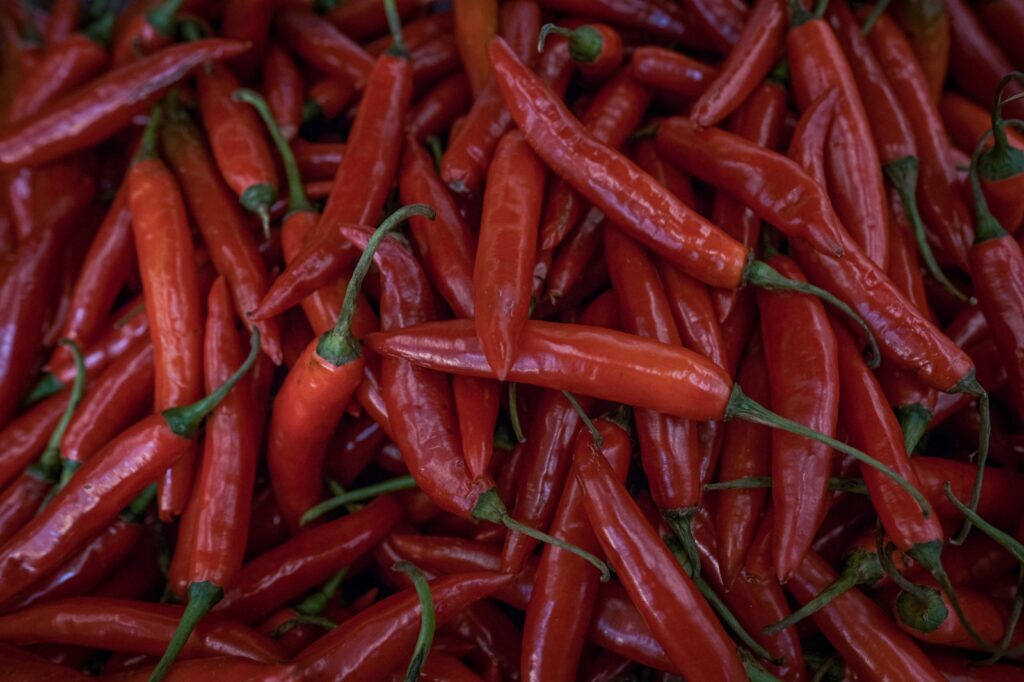
Questions Grow Over Transparency of Pesticide Tests for 300 Tonnes of Imported Red Chilies
Translated from Malay and summarized by DistantNews. Read the original for the full story.
At a glance
News
Named sources
Ongoing story
- Malaysia requires certificates of analysis for imported red chilies and four other vegetables, but a farmers’ group says certificates alone may not ensure compliance.
- Selangor Farmers’ Organisation chairman Ab Razak Khasbullah questioned laboratory accreditation, sampling frequency and Malaysia’s independent verification of test results.
- Agriculture officials said exporting countries analyze the chilies before issuing certificates, which Malaysia’s quarantine agency checks for each consignment.
The arrival of about 300 tonnes of imported red chilies a day has raised questions in Malaysia over whether pesticide-residue controls are transparent and reliable.
The Agriculture Department began requiring certificates of analysis for five imported vegetables, including red chilies, on June 1. The certificates contain laboratory results intended to confirm that pesticide residues remain within the maximum residue limits permitted under Malaysia’s food-safety rules. The tests must come from laboratories recognized by the exporting country’s authorities.
Ab Razak Khasbullah, chairman of the Selangor Farmers’ Organisation, said certificates covering such large volumes did not by themselves guarantee that every consignment met safety standards. He questioned how laboratories receive accreditation, whether exporters follow the required procedures, how often Malaysia samples imported chilies and whether local authorities independently verify certificate results.
The question is how laboratories are truly recognized and accredited. Do exporting companies really follow the procedures? How often are chili samples taken for testing in this country, and does Malaysia verify the certificate results through its own samples?
The concerns follow claims that imported chilies from China and Vietnam were being sold without sufficient control, affecting about 4,000 local farmers. Their incomes had reportedly fallen by as much as 26 percent, with average net earnings estimated at RM1,760 a month.
Agriculture Department director-general Nor Sam Alwi said chilies are analyzed in their countries of origin before certificates are issued. The Malaysian Quarantine and Inspection Services Department, known as MAQIS, then checks the certificate documents submitted for each imported consignment.
At Chow Kit Market, traders said imported chilies from Thailand, Vietnam and Indonesia attract consumers because they are cheaper. One trader, Suhaili Mohd. Ali, said imported red chilies sold for about RM5 a kilogram, although the available text does not provide the full price for local chilies.
The Agriculture Department director-general said all chilies for export are analyzed in their respective countries before certificates of analysis are issued.
About this summary
Originally published by Utusan Malaysia in Malay. Translated, summarized, and contextualized automatically by DistantNews, with a note on how the source frames the story. Not individually reviewed before publishing. How this works.
More Stories



From Our Blog

What Gets Lost (and Found) When News Is Translated

The Critical Role of Diaspora Media in Global News

What Travellers Should Know About Countries with Restricted Press

A Digital Nomad's Guide to Following Local News

How the Same Story Looks Different in Different Countries
