


Quid Pro Quo: US Links Saudi Nuclear Deal to Israel Recognition
Translated from English, summarized and contextualized by DistantNews.
At a glance
Opinion
Named sources
Context piece
- The US has linked a landmark civil nuclear deal with Saudi Arabia to its recognition of Israel and signing the Abraham Accords.
- Saudi Arabia's official stance is that recognition requires a pathway to a Palestinian state, a position also held by Pakistan.
- Analysts suggest Saudi recognition would significantly boost Israel's normalization in the Muslim world, but the 'Israel brand' is seen as toxic due to its actions in Gaza.
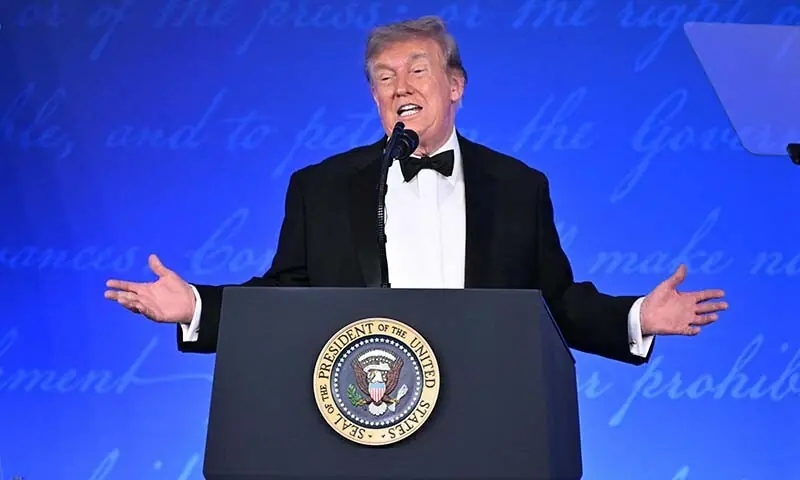
The United States has reportedly linked a significant civil nuclear deal with Saudi Arabia to Riyadh's recognition of Israel and its participation in the Abraham Accords. This demand, seemingly a "Trumpian addition" to the deal, was announced by President Donald Trump shortly after the agreement was signed. While Saudi Arabia has remained silent on the demand, media reports suggest it was not part of the original negotiations.
President Trump urged Saudi Arabia and other Muslim nations to join the Abraham Accords, which saw the UAE, Bahrain, and Morocco normalize relations with Israel. The White House press secretary emphasized that the nuclear deal would be off if Saudi Arabia refused. The US has been actively pressing Saudi Arabia and Pakistan, among others, to recognize Israel.
However, this proposition faces significant moral and political hurdles. The article frames Tel Aviv's actions in Gaza as "genocidal violence" and highlights its refusal to accept a Palestinian state. Recognizing Israel, it argues, would legitimize this violence and its ongoing conflict with neighboring Arab states and Iran. The official Saudi position, and that of Pakistan, is that recognition is contingent upon a clear "pathway" to a Palestinian state, with pre-1967 borders and Al Quds as its capital.
Public sentiment in Pakistan strongly supports Palestine, with widespread disgust over Israeli violence. This makes recognition highly improbable. Even within Israel, the current prime minister and more "liberal" politicians oppose the establishment of a Palestinian state. The article suggests Trump's eagerness stems from Saudi Arabia's influential role as custodian of Islam's holiest sites; its recognition could pave the way for broader normalization with Israel across the Muslim world.
The article concludes by advising Pakistan to maintain its principled stance on Palestine and resist US pressure to recognize Israel. It characterizes the "Israel brand" as globally toxic due to its actions in Gaza and its aggression against Lebanon, Syria, Yemen, and Iran, questioning the wisdom of embracing such a state without remorse.
DistantNews Editorial
Originally published by Dawn in English. Translated, summarized, and contextualized by our editorial team with added local perspective. Read our editorial standards.
More Stories
From Our Blog

What Gets Lost (and Found) When News Is Translated

The Critical Role of Diaspora Media in Global News

What Travellers Should Know About Countries with Restricted Press

A Digital Nomad's Guide to Following Local News

How the Same Story Looks Different in Different Countries
