


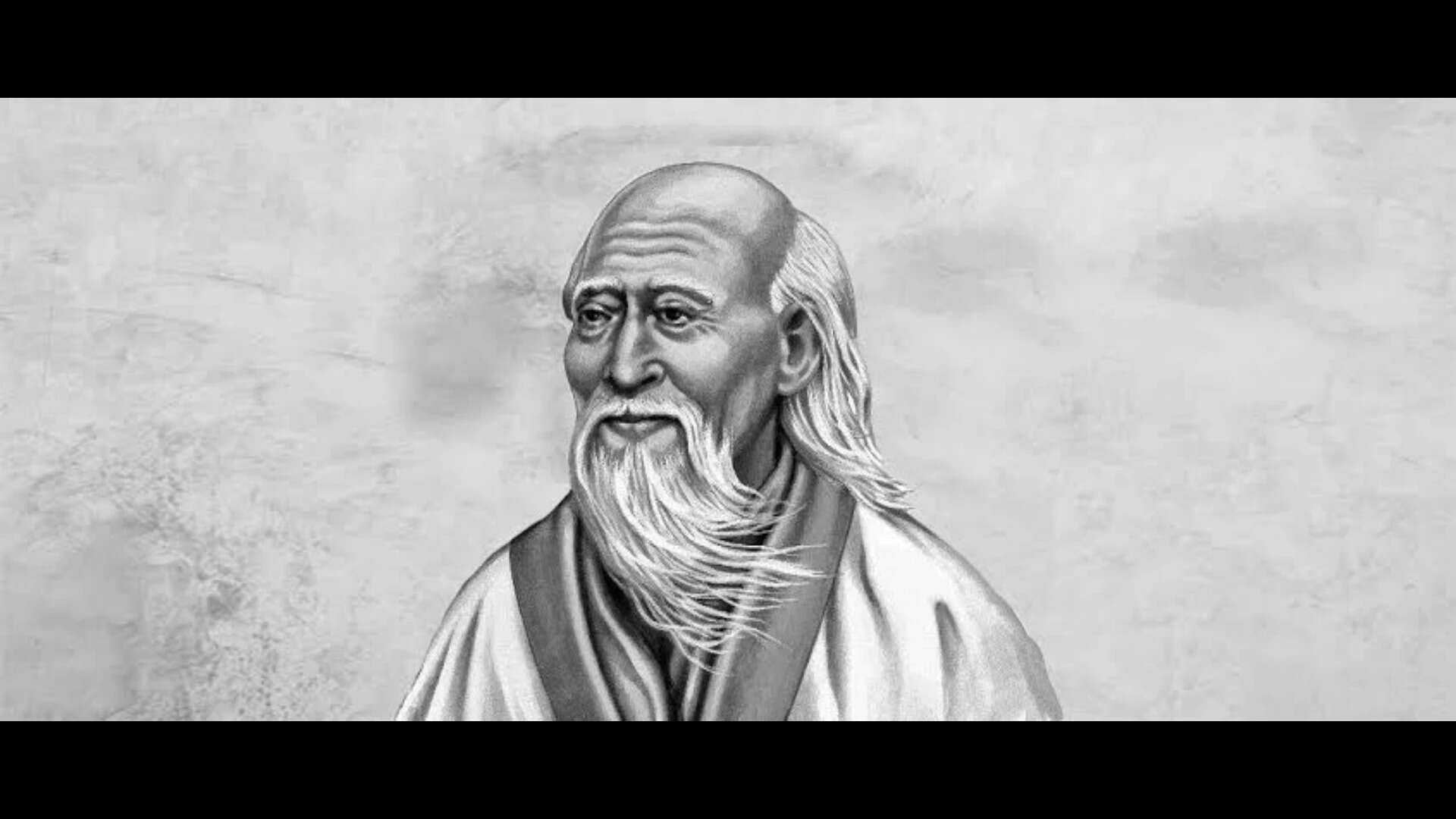
Quote of the day by Lao Tzu: 'Time is a created thing. To say ‘I don’t have time,’ is like saying, ‘I don’t want to' and a reality check about priorities
Summarized and contextualized by DistantNews.
At a glance
In-depth
Named sources
Context piece
- Lao Tzu's quote, "Time is a created thing. To say ‘I don’t have time,’ is like saying, ‘I don’t want to,'" emphasizes personal agency over time management.
- The quote challenges the modern Western perception of time as a scarce, rigid resource.
- It suggests that prioritizing what we value allows us to 'create' time, reframing 'not having time' as a choice of preference.
A quote attributed to the ancient Chinese philosopher Lao Tzu offers a profound perspective on time: "Time is a created thing. To say ‘I don’t have time,’ is like saying, ‘I don’t want to.'" This timeless adage serves as a reality check on our priorities and personal responsibility, particularly in contrast to the modern Western view of time as a finite, constantly depleting commodity.
Lao Tzu, traditionally considered the founder of Taoism, believed in living in harmony with the natural order of the universe. Unlike the rigid, clock-driven schedules prevalent today, Taoist philosophy observes that nature operates without haste, yet achieves all its ends. Seasons change, trees grow, and rivers flow, all in their own time, demonstrating that efficiency does not require frantic effort. This natural rhythm suggests that the human-created concept of "not having enough time" stems from artificial constructs like clocks and strict routines.
Time is a created thing. To say ‘I don’t have time,’ is like saying, ‘I don’t want to.
The quote powerfully asserts that time is not an external force dictating our lives, but rather a mental construct shaped by our choices and values. Everyone receives the same 24 hours daily, and the perceived scarcity or abundance of time depends on how we choose to allocate it. When individuals claim they "don't have time" for activities like exercise or reading, they are, according to this philosophy, implicitly stating their lack of desire or priority for those activities, rather than an insurmountable external constraint.
Ultimately, Lao Tzu's words strip away excuses, highlighting human agency in shaping our schedules and lives. The statement "not having time for something is a lie" underscores that time is created for what we deem important and ignored for what we do not. It encourages a re-evaluation of our commitments and a more conscious approach to how we spend our finite hours, aligning our actions with our true values.
Nothing is rushed in nature
DistantNews Editorial
Originally published by Times of India. Summarized and contextualized by our editorial team with added local perspective. Read our editorial standards.
More Stories


From Our Blog

What Press Freedom Means for the News You Read

What Gets Lost (and Found) When News Is Translated

The Critical Role of Diaspora Media in Global News

What Travellers Should Know About Countries with Restricted Press

A Digital Nomad's Guide to Following Local News
