


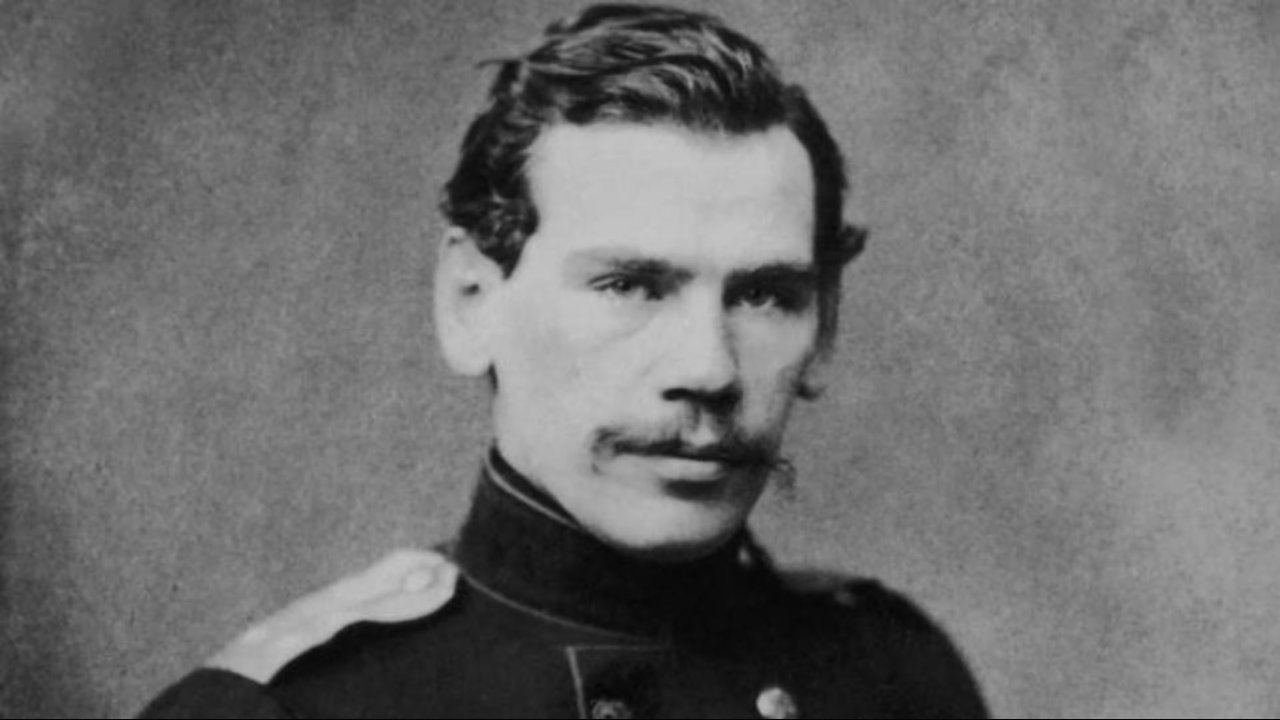
Quote of the day by Leo Tolstoy: 'Everyone thinks of changing the world, but no one...'
Summarized and contextualized by DistantNews.
At a glance
In-depth
Sources not specified
Context piece
- Leo Tolstoy, in an 1893 essay, wrote, "Everyone thinks of changing the world, but no one thinks of changing himself."
- This quote highlights the common human tendency to focus on external societal or political reforms while neglecting personal self-improvement.
- Tolstoy, a renowned Russian writer, advocated for personal honesty and self-reflection over structural changes, drawing parallels to ancient Stoic philosophy and modern psychology's concept of external locus of control.
Leo Tolstoy, the celebrated Russian novelist and philosopher, articulated a profound observation in an 1893 essay: "Everyone thinks of changing the world, but no one thinks of changing himself." This timeless quote, penned in his essay "Three Methods of Reform," encapsulates a pervasive human habit – the inclination to direct attention outward towards reforming society, government, or others, while sidestepping the more challenging task of personal introspection and self-correction.
Tolstoy's words resonate with the difficulty individuals face in confronting their own flaws, such as anger, greed, or dishonesty. While complaining about external systems or demanding sweeping societal changes may feel easier, the act of looking inward and addressing one's own character requires a greater degree of courage and effort. This perspective emerged from Tolstoy's own life experiences, including his time as a soldier, a wealthy landowner, and his eventual disillusionment with his privileged lifestyle, leading him to embrace non-violence and a simpler existence.
His philosophy suggested that a society composed of individuals lacking personal integrity would inevitably remain unjust, regardless of the political structure in place. Tolstoy critiqued reformers who prioritized systemic over personal change, arguing that true societal transformation begins with individual accountability. This idea aligns with ancient Greek Stoic thinkers like Epictetus, who distinguished between what we can control, our thoughts and actions, and what we cannot, external events and other people's behavior.
Modern psychology echoes Tolstoy's insight through the concept of an "external locus of control," where individuals tend to attribute their problems to outside forces like corrupt systems or bad luck. This tendency provides a convenient excuse to avoid self-examination. Tolstoy's enduring message encourages a shift in focus from attempting to fix the entire world to diligently working on oneself, suggesting that genuine change originates from within.
Everyone thinks of changing the world, but no one thinks of changing himself.
DistantNews Editorial
Originally published by Times of India. Summarized and contextualized by our editorial team with added local perspective. Read our editorial standards.
More Stories



From Our Blog

What Press Freedom Means for the News You Read

What Gets Lost (and Found) When News Is Translated

The Critical Role of Diaspora Media in Global News

What Travellers Should Know About Countries with Restricted Press

A Digital Nomad's Guide to Following Local News
