

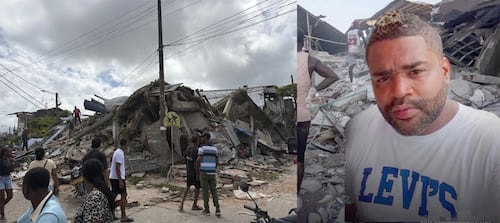
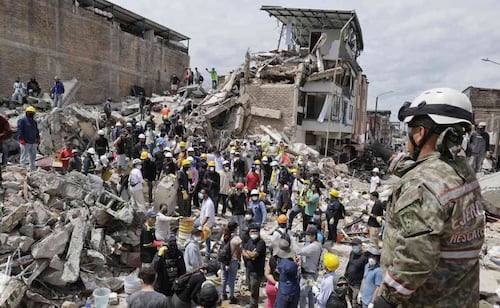
Race against time for rescues in Colombia; how long can people survive trapped after an earthquake?
Translated from Spanish, summarized and contextualized by DistantNews.
At a glance
News
Sources not specified
Context piece
- A report examines how long people can survive trapped after an earthquake, referencing a case in Colombia.
- It highlights the survival of a teenager and their 80-year-old grandmother for nine days after being trapped in their collapsed home following Japan's 2011 earthquake and tsunami.
- The article discusses the critical factors influencing survival, such as air, water, and psychological state.
The critical window for rescuing survivors trapped in collapsed buildings after an earthquake is a matter of intense focus, particularly in light of ongoing efforts in Colombia. The question of how long individuals can endure such harrowing circumstances is often measured against extreme examples of resilience.
One such case, cited in discussions about survival after seismic events, involved a teenager and their 80-year-old grandmother. They were found alive nine days after being trapped in their home, which had been crushed by the devastating 2011 earthquake and tsunami in Japan. Their survival underscores the remarkable human capacity to endure under the most dire conditions.
Factors such as access to air, the availability of water, and the psychological fortitude of those trapped play crucial roles in determining survival timelines. While scientific understanding of these limits evolves, each rescue and survival story provides invaluable data for emergency response planning and highlights the importance of swift, effective search and rescue operations.
DistantNews Editorial
Originally published by El Universal in Spanish. Translated, summarized, and contextualized by our editorial team with added local perspective. Read our editorial standards.
More Stories

From Our Blog

What Press Freedom Means for the News You Read

What Gets Lost (and Found) When News Is Translated

The Critical Role of Diaspora Media in Global News

What Travellers Should Know About Countries with Restricted Press

A Digital Nomad's Guide to Following Local News
