


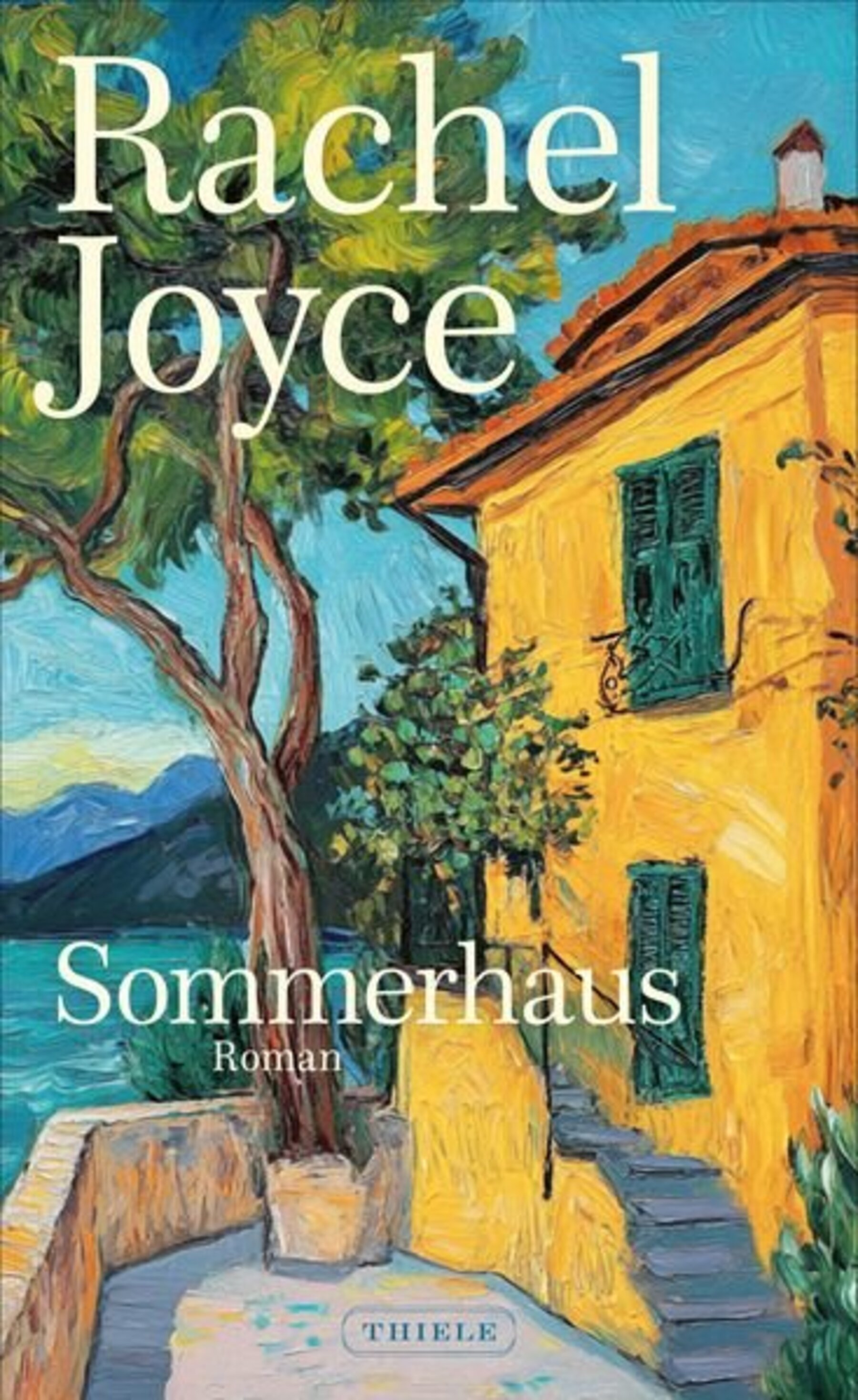
Rachel Joyce's new novel "The Homemade God" explores a father's complex legacy after his death
Translated from German, summarized and contextualized by DistantNews.
At a glance
In-depth
Sources not specified
Context piece
- British author Rachel Joyce's new novel, "The Homemade God," explores the complex realities surrounding the death of an artist and patriarch.
- The novel delves into the conflicting perspectives of the deceased artist's four adult children as they grapple with unanswered questions about his life and death.
- Joyce uses shifting perspectives to reveal family dynamics and individual truths, leaving readers to question the nature of reality and memory.
Rachel Joyce's latest novel, "The Homemade God," challenges readers with a narrative that probes the intricate relationship between a father and his children after his death. The book, translated by Karl-Heinz Ebnet, centers on Vic Kemp, a successful but flawed artist whose work, though not displayed in galleries, achieves mass appeal and commercial success.
The novel's title, "The Homemade God," aptly describes Vic's self-made persona and his pervasive influence, even after his passing. His death by drowning in a lake he knew intimately, coupled with his hasty marriage to a much younger woman, raises a multitude of questions for his four adult children. The mystery surrounding his final, unreleased painting, intended to reveal his true self, further fuels their search for answers.
Joyce masterfully navigates the complexities of family by shifting perspectives among the siblings. Each child grapples with their own version of the truth, exposing long-held resentments and differing interpretations of their father's life and their shared past. The narrative skillfully peels back layers of carefully guarded secrets, leaving the reader to ponder the subjective nature of reality and memory.
DistantNews Editorial
Originally published by Die Presse in German. Translated, summarized, and contextualized by our editorial team with added local perspective. Read our editorial standards.
More Stories

From Our Blog

What Gets Lost (and Found) When News Is Translated

The Critical Role of Diaspora Media in Global News

What Travellers Should Know About Countries with Restricted Press

A Digital Nomad's Guide to Following Local News

How the Same Story Looks Different in Different Countries
