

Radio UNAM director under fire for alleged excessive spending on food
Translated from Spanish, summarized and contextualized by DistantNews.
At a glance
News
Sources not specified
Context piece
- Benito Taibo, director of Radio UNAM, is under scrutiny for allegedly spending over 175,000 pesos on food and restaurants using university funds since 2024.
- Taibo, a writer and communicator, has a background in gastronomic journalism and has authored several books.
- Critics argue that the university's autonomy should not be used to justify excessive spending by officials.
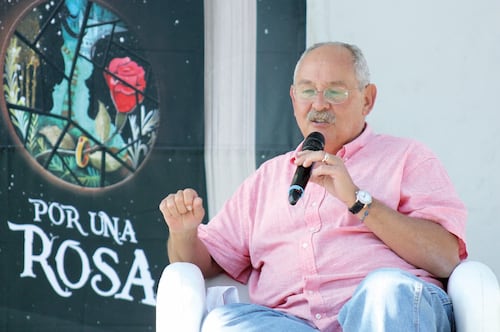
Benito Taibo, the current director of Radio UNAM, faces allegations of significant spending on food and restaurants, totaling over 175,000 pesos from university funds since the beginning of 2024.
Taibo, who also works as a writer and communicator, has a notable career that includes gastronomic journalism, advertising, and scriptwriting. Born in Mexico City in 1960 into a family of writers, his siblings include Paco Ignacio Taibo II, director of the Fondo de Cultura Económica, and writer Carlos Taibo. Benito Taibo was appointed director of Radio UNAM in 2018, having previously hosted the cultural news program "Primer movimiento" at the station.
His passion for gastronomy is evident in his personal life and work. In 2025, he published his memoir "Cuchara y memoria" (Spoon and Memory), which explores the connection between his life experiences and food. The book is described as a journey through flavors, smells, and textures that have shaped his life, from childhood fears to celebrations with friends.
Taibo has also hosted culinary television programs such as "La historia se sienta a la mesa" (History Sits at the Table) and "Pasión, arte y cocina" (Passion, Art, and Cuisine). His literary works include "Siete primeros poemas" (Seven First Poems) and "Persona normal" (Normal Person), among others. Critics, however, argue that the university's autonomy should not serve as a justification for such expenditures, with some deputies stating that autonomy is not a pretext for "waste and luxury."
This station is a university station, it is public and it belongs to everyone. It is a community radio, if I may use the expression.
DistantNews Editorial
Originally published by El Universal in Spanish. Translated, summarized, and contextualized by our editorial team with added local perspective. Read our editorial standards.
More Stories


From Our Blog

What Press Freedom Means for the News You Read

What Gets Lost (and Found) When News Is Translated

The Critical Role of Diaspora Media in Global News

What Travellers Should Know About Countries with Restricted Press

A Digital Nomad's Guide to Following Local News
