


Rainy Day Car Accidents Spike in Summer, Tinting a Hidden Hazard
Translated from Korean, summarized and contextualized by DistantNews.
At a glance
News
Documents & data
Context piece
- Nearly half of all traffic accidents on rainy days occur during the summer, with a higher fatality rate compared to clear weather.
- Experts warn that car window tinting, especially when old or degraded, can significantly impair visibility in rain, particularly at night.
- Many drivers are unaware of tinting's impact on safety or its recommended replacement cycle, with a lack of awareness being a bigger barrier than cost.
As South Korea enters its monsoon season, attention is turning to road safety, with experts highlighting the often-overlooked role of car window tinting.
Analysis of traffic accident data from the past five years reveals that 60,649 accidents occurred on rainy days, resulting in 1,058 fatalities and 87,335 injuries. Notably, 48% of these accidents happened during the summer months. The fatality rate for rainy day accidents stands at 1.7 per 100 accidents, higher than the 1.3 rate on clear days. Nighttime accidents on rainy roads are particularly dangerous, with a fatality rate of 2.0 compared to 1.5 during the day.
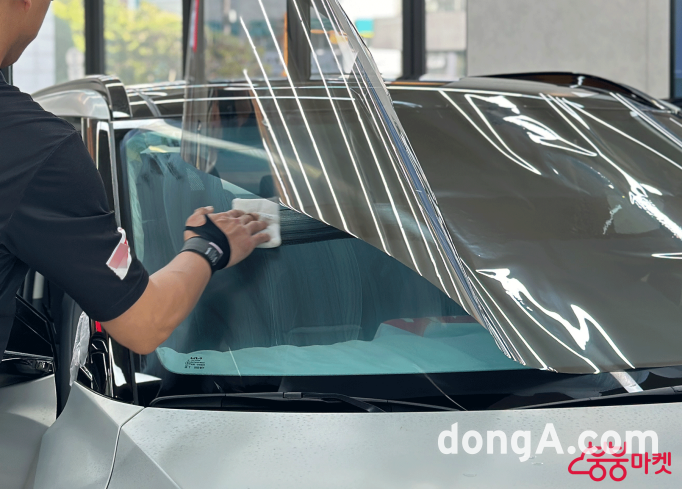
While authorities emphasize reducing speed, checking tires and wipers, and maintaining safe distances, experts point to tinting as a critical safety factor. Old or degraded tinting can become discolored, develop bubbles, or peel, distorting light and reducing visibility. This effect is amplified in challenging conditions like heavy rain, darkness, or when entering tunnels, where the combination of raindrops and oncoming headlights can severely impair a driver's ability to see.
Despite these risks, awareness about tinting's impact on safety and its replacement needs is low. A survey of 1,000 drivers found that 88.7% did not know the recommended replacement period for tinting. The primary reasons cited for not replacing tinting were a lack of perceived necessity (47.7%) and insufficient information (25.8%), indicating that awareness, not cost, is the main obstacle.
However, those who have replaced their tinting report high satisfaction. A campaign by mobility platform BoongBoong Market saw average satisfaction scores of 9.29 out of 10 for tint replacement services, with customers praising transparent pricing, free removal of old tint, and reasonable costs. "Tinting is not a one-time installation but a vehicle maintenance item that requires ongoing inspection and management as its performance can degrade over time," said Yoo Ho-sun, CEO of BoongBoong Market. "During the monsoon season, tinting status can affect safe driving as much as wipers and tires, so it's worth checking for discoloration, bubbles, or peeling."
Tinting is not a one-time installation but a vehicle maintenance item that requires ongoing inspection and management as its performance can degrade over time. During the monsoon season, tinting status can affect safe driving as much as wipers and tires, so it's worth checking for discoloration, bubbles, or peeling.
DistantNews Editorial
Originally published by Dong-A Ilbo in Korean. Translated, summarized, and contextualized by our editorial team with added local perspective. Read our editorial standards.
More Stories


From Our Blog

What Gets Lost (and Found) When News Is Translated

The Critical Role of Diaspora Media in Global News

What Travellers Should Know About Countries with Restricted Press

A Digital Nomad's Guide to Following Local News

How the Same Story Looks Different in Different Countries
