

Raising, Teaching, and Accompanying: A Father's Story of Love and Commitment
Translated from Spanish, summarized and contextualized by DistantNews.
At a glance
In-depth
Sources not specified
Context piece
- David Cedeño is raising his son Israel alone, challenging traditional gender roles in parenting.
- Cedeño emphasizes that fatherhood involves daily commitment, presence, and responsibility, viewing it as a natural role rather than an exceptional one.
- Despite challenges like his son's illnesses, Cedeño cherishes their bond, finding joy in everyday moments and his son's affection.
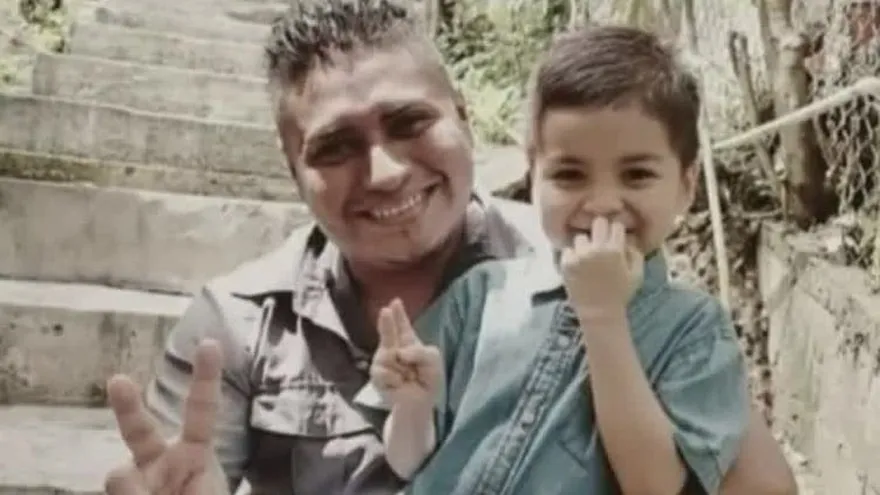
David Cedeño is redefining fatherhood in Panama by embracing his role as a single parent, raising his son Israel since he was three years old. Cedeño believes that men actively participating in child-rearing should not be seen as extraordinary. He asserts that fatherhood is fundamentally about commitment, consistent presence, and daily responsibility.
"We normalize seeing single mothers, and when we see a single father, we take it as something different, but in reality, it's simply fulfilling our role as a father and being aware of our responsibilities and fulfilling them," Cedeño stated. "When things are done with love, the difficulty is removed."
Cedeño acknowledges that his son's illnesses have presented the most challenging moments. However, their daily life together has significantly strengthened their bond. Now nearly nine years old, Israel dreams of becoming a footballer and sharing his future successes with his family. His grandfather, Hilario Cedeño, also recognizes David's dedication, noting that Israel has been a well-behaved child and David is a very responsible father.
Beyond his paternal duties, David works as a music teacher and producer from his home studio. For him, Father's Day is not just a date on the calendar but a celebration of the everyday moments shared with Israel. "He is a child who, when he wakes up and sees me, hugs me, calls me 'papi,' says 'I love you,' and what other reason is there to feel happy?" he shared.
Él es un niño que cuando se levanta y me ve, me abraza, me dice papi, te amo, y qué otro motivo de sentirse dichoso.
DistantNews Editorial
Originally published by TVN Panamá in Spanish. Translated, summarized, and contextualized by our editorial team with added local perspective. Read our editorial standards.
More Stories

From Our Blog

What Gets Lost (and Found) When News Is Translated

The Critical Role of Diaspora Media in Global News

What Travellers Should Know About Countries with Restricted Press

A Digital Nomad's Guide to Following Local News

How the Same Story Looks Different in Different Countries
