


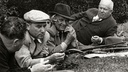
Ranković's fall: Tito prioritized federal interests over state security
Translated from Croatian, summarized and contextualized by DistantNews.
At a glance
Analysis
Sources not specified
Outcome reported
- The article discusses the political downfall of Aleksandar Ranković, head of the UDBA (Yugoslav State Security Administration), in 1966.
- Tito accused the UDBA of becoming a state within a state, prioritizing its own interests over federal ones and suppressing society.
- The "eavesdropping affair" escalated into a confrontation over alleged internal enemies seeking to seize power through state security apparatus.
In July 1966, at the Brionian Plenum, Josip Broz Tito delivered a scathing critique of the UDBA, Yugoslavia's state security service, marking a significant political shift. Tito declared that the state security apparatus had become a "state within a state," operating independently and exerting undue pressure on the entire society. He acknowledged the past contributions of individuals within the UDBA, including Ranković, but stressed that the organization's subsequent deformations and its system of societal control could not be excused.
What began as the "eavesdropping affair," investigating alleged interference with President Tito's phone lines and suspicions of foreign intelligence involvement, rapidly escalated. The Brionian Plenum revealed that the threat was not external but internal, stemming from a group within the UDBA allegedly seeking to seize power through forceful means. This confrontation signaled a major power struggle within the Yugoslav leadership.
Tito's speech at the plenum was pivotal, as he directly accused the UDBA of prioritizing its own republican interests above federal ones. This move effectively sidelined Ranković, who was seen as a powerful figure within the security apparatus and a potential successor to Tito. The event underscored Tito's determination to maintain centralized control and prevent any single institution from becoming too powerful or acting autonomously.
The repercussions of the Brionian Plenum were far-reaching, leading to a significant restructuring of the UDBA and a reassertion of the Communist Party's authority over state security. The incident is considered a crucial moment in Yugoslav history, highlighting the complex internal dynamics and power struggles within the ruling elite.
DistantNews Editorial
Originally published by Večernji List in Croatian. Translated, summarized, and contextualized by our editorial team with added local perspective. Read our editorial standards.
More Stories



From Our Blog

What Gets Lost (and Found) When News Is Translated

The Critical Role of Diaspora Media in Global News

What Travellers Should Know About Countries with Restricted Press

A Digital Nomad's Guide to Following Local News

How the Same Story Looks Different in Different Countries
