



Rapid weapons use in Middle East sparks internal U.S. concerns over readiness
Translated from English, summarized and contextualized by DistantNews.
At a glance
News
Named sources
Context piece
- The Trump administration faces internal tension over the rapid depletion of advanced air-defense interceptors and precision-guided weapons in the Middle East.
- Officials warn that the U.S. defense industrial base cannot produce missiles fast enough to replenish stockpiles used in the conflict with Iran.
- This depletion raises concerns about U.S. readiness for a potential conflict in the Indo-Pacific, particularly with China.
The U.S. is experiencing significant internal strain within the Trump administration due to the rapid expenditure of advanced air-defense interceptors and precision-guided munitions in the Middle East. Officials familiar with internal assessments express grave concerns about America's readiness for a potential conflict, especially in the Indo-Pacific region, as war with Iran intensifies.
The dwindling inventories of defensive interceptors and long-range missiles have become a critical pressure point for top military and civilian leaders. They are struggling to balance the demands of the ongoing conflict with Iran against the imperative to deter other adversaries, notably China. U.S. officials, speaking anonymously due to the topic's sensitivity, stated that the nation cannot sustain the current rate of precision munition expenditure against Iran. The defense industrial base is reportedly ill-equipped to rapidly produce missiles needed to replenish the U.S. Central Command's inventories, which are under mounting pressure.
These interceptors are crucial for defending U.S. interests in the Gulf states, which house American troops and are frequently targeted by Iranian drones and missiles. One partner nation has called for a pause in fighting, citing the intensity of Iranian strikes that have impacted Kuwait and Bahrain, damaging infrastructure like electricity and desalination plants.
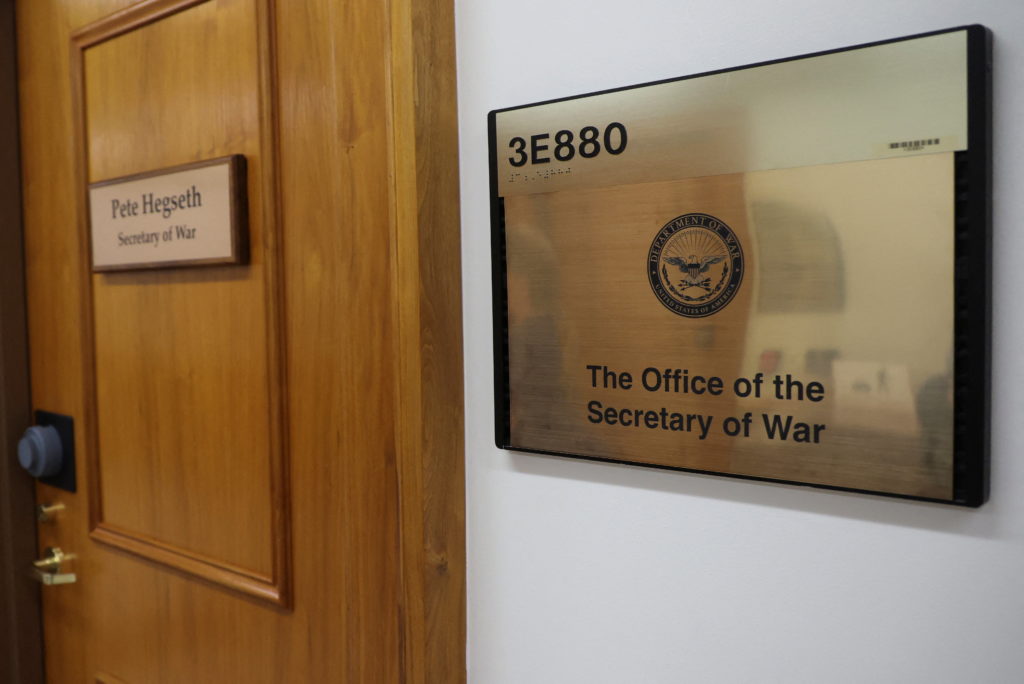
Defense Secretary Pete Hegseth previously denied any crisis with stockpiles, asserting in an interview that "we've got lots of them, we're building more than ever before." He acknowledged that some munitions require longer production times but maintained that "Our stockpiles are strong, and they will only get stronger in the future." However, U.S. commanders are increasingly relying on GPS-guided bombs, such as those fitted with Joint Direct Attack Munitions (JDAM) guidance kits, and Small Diameter Bombs. While long-range cruise missiles like the Joint Air-to-Surface Standoff Missile (JASSM) and Tomahawk Land Attack Missile remain available, they are being used more sparingly. Admiral Samuel Paparo, head of U.S. Indo-Pacific Command, informed lawmakers in April that scaling up production of such high-end systems could take years.
We've got lots of them, we're building more than ever before. Our stockpiles are strong, and they will only get stronger in the future.
DistantNews Editorial
Originally published by CBS News in English. Translated, summarized, and contextualized by our editorial team with added local perspective. Read our editorial standards.
More Stories


From Our Blog

How the Same Story Looks Different in Different Countries

What Gets Lost (and Found) When News Is Translated

The Critical Role of Diaspora Media in Global News

What Travellers Should Know About Countries with Restricted Press

A Digital Nomad's Guide to Following Local News
