

Raúl Castro Backs Economic Reforms in Cuba Amid Crisis
Translated from Spanish, summarized and contextualized by DistantNews.
At a glance
News
Named sources
New plan
- Former Cuban President Raúl Castro has endorsed a package of economic reforms aimed at tackling the island's crisis.
- The reforms, debated by the Communist Party's Central Committee, seek to attract private investment and reduce state size.
- These measures come amid U.S. pressure, including an oil blockade, and aim to stabilize Cuba's deteriorating economy.
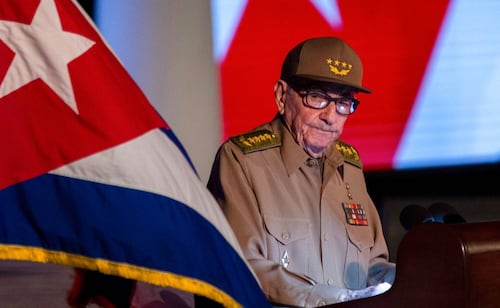
Former Cuban President Raúl Castro has given his backing to a series of economic reforms designed to confront the island's deepening crisis and attract investment. The proposals, discussed by top officials of the Communist Party (PCC) in Havana, received Castro's approval on Wednesday. The 95-year-old former leader, though no longer holding official positions, remains an influential figure in Cuban politics.
In a letter presented during the meeting, Castro stated that transforming the economy "is what best suits the Revolution today." The PCC's Central Committee analyzed about twenty proposals during an extraordinary plenum. These measures focus on opening more sectors to private investment, attracting capital from Cubans living abroad, and downsizing the state apparatus. This push for reform occurs under significant pressure from Washington, including an oil blockade imposed since January.
transforming the economy 'is what best suits the Revolution today.'
Prime Minister Manuel Marrero, cited by the government, affirmed that while the reforms acknowledge market mechanisms for efficient resource allocation, they do not signify a renunciation of the state's social responsibility. The reforms, initially presented by President Miguel Díaz-Canel, could be approved by the National Assembly as early as Thursday. This rapid potential approval follows less than a week after their announcement.
The effectiveness of these measures in satisfying U.S. President Donald Trump, who has expressed a desire for change in Cuba, remains uncertain. Faced with economic deterioration, social pressure, and increasing international isolation, the Cuban government appears compelled to act. The U.S. oil blockade has severely impacted the already weakened economy, leading to widespread power outages exceeding 30 hours and shortages of essential goods like food, fuel, water, and medicine. Private businesses, authorized in 2021 with limits on employee numbers, have become an increasingly vital component of the economy.
If well they conceive a recognition of market mechanisms as instruments for efficient resource allocation, they do not imply in any sense renouncing the social responsibility of the State.
DistantNews Editorial
Originally published by El Universal in Spanish. Translated, summarized, and contextualized by our editorial team with added local perspective. Read our editorial standards.
More Stories

From Our Blog

What Press Freedom Means for the News You Read

What Gets Lost (and Found) When News Is Translated

The Critical Role of Diaspora Media in Global News

What Travellers Should Know About Countries with Restricted Press

A Digital Nomad's Guide to Following Local News
