


Reader Opinion | Competence of Young Female Politicians Still Doubted
Translated from Finnish, summarized and contextualized by DistantNews.
TLDR
- A young female politician in Finland shares her experience of facing skepticism and being underestimated due to her age and gender.
- She highlights that her competence is often questioned before her qualifications are considered, leading to interruptions and dismissal of her views.
- The author advocates for systemic changes to support young women's participation in politics and challenges the traditional image of a decision-maker.
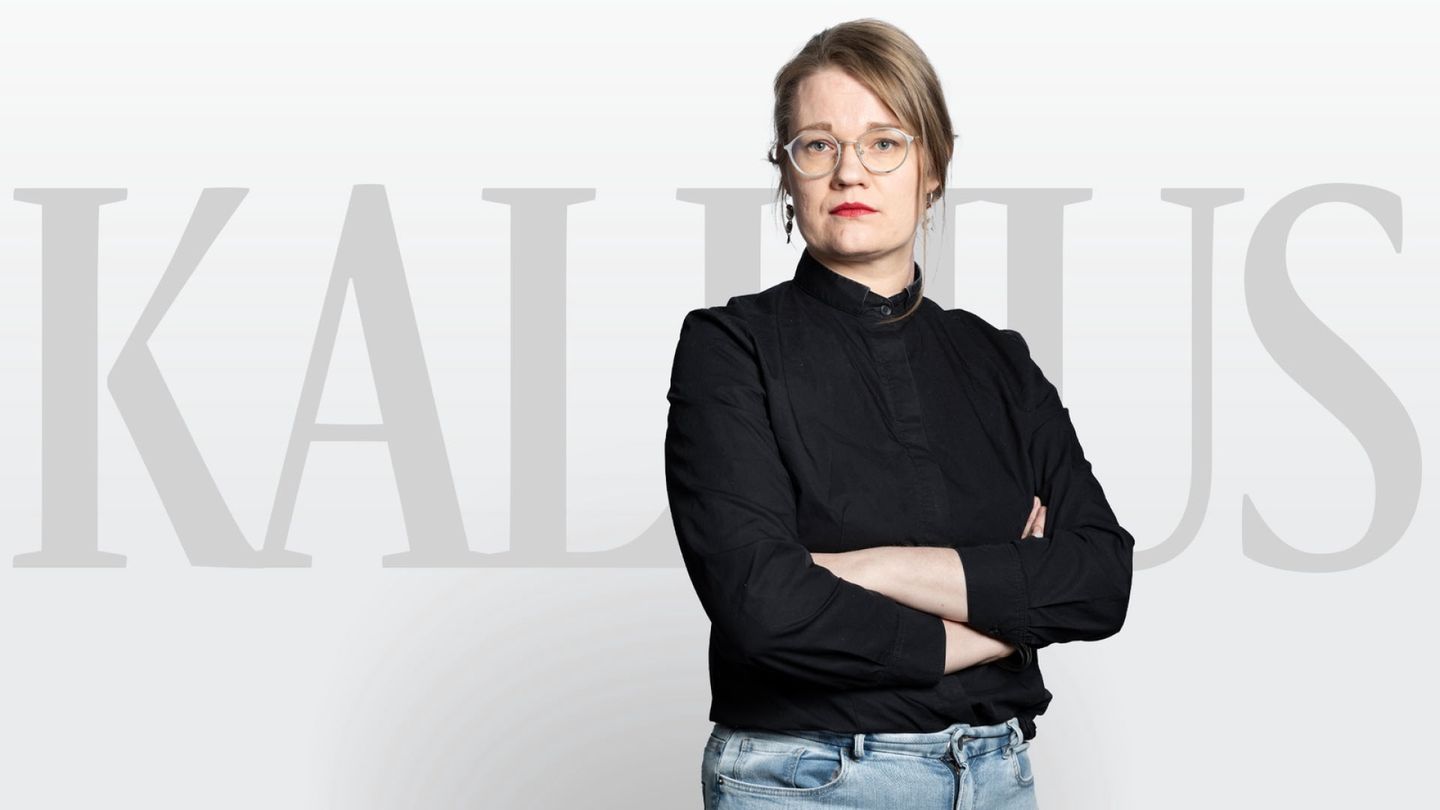
A 24-year-old city councilor and chairperson of the welfare board in Järvenpää, Finland, has penned a powerful opinion piece in Helsingin Sanomat detailing the persistent challenges young women face in politics. She describes a common experience where she is perceived first as a young woman and only secondarily as a decision-maker, a phenomenon that undermines her authority and contributions.
My competence is often doubted before my qualifications are considered, my speeches are interrupted more easily, and my views are subtly—and sometimes directly—belittled. There is also infantilization.
The author recounts how the competence of young women in politics is frequently doubted, their voices are more easily interrupted, and their perspectives are subtly, or sometimes overtly, belittled. This includes instances of infantilization, or "tytöttely" in Finnish, which dismisses their seriousness and capability. As the sole representative under 25 in the Järvenpää council, she feels the weight of representing young women's issues, particularly concerning mental health, school life, body image, and safety.
From a Finnish societal standpoint, this piece resonates deeply. While Finland is often lauded for its gender equality, this article exposes the subtle, yet pervasive, biases that still exist within political spheres. The author's perspective underscores that true equality requires not just representation but also the genuine respect and validation of the contributions of all individuals, regardless of age or gender.
If the voices of young women are missing, then the perspective on issues such as girls' mental health, school life, body image problems, and experiences of safety is also missing.
She argues that diverse representation leads to better decision-making, as individuals with lived experiences can bring crucial insights to the table. The piece is a call to action, urging for structural support, mentorship, and safe spaces for young women to grow as political figures. It challenges the status quo, advocating for a political landscape where young women are not exceptions but integral, recognized participants. The message is clear: equality doesn't advance on its own; it requires conscious effort to dismantle attitudinal barriers and create space for new voices.
Equality does not advance by itself. In my opinion, it advances when more and more people dare to step forward—and when the rest of us make space.
DistantNews Editorial
Originally published by Helsingin Sanomat in Finnish. Translated, summarized, and contextualized by our editorial team with added local perspective. Read our editorial standards.
More Stories


From Our Blog

What Gets Lost (and Found) When News Is Translated

The Critical Role of Diaspora Media in Global News

What Travellers Should Know About Countries with Restricted Press

A Digital Nomad's Guide to Following Local News

How the Same Story Looks Different in Different Countries
