


Recco System Expands from Avalanche Rescue to General Mountain Sports
Translated from German, summarized and contextualized by DistantNews.
At a glance
News
Sources not specified
Context piece
- The Recco location system, originally designed for avalanche rescue, is expanding its use into broader mountain sports.
- A new four-gram reflector integrated into a belt offers a way to locate individuals who are overdue or unreachable, independent of weather or light conditions.
- While not replacing essential avalanche safety devices like transceivers, the system provides an additional layer of security for hikers, bikers, and climbers in non-emergency situations.
The Recco location system, initially developed in Sweden in 1983 for locating avalanche victims, is now broadening its application beyond snow sports. The system, which uses a simple reflector that bounces a signal back to a transmitter, is being integrated into everyday outdoor gear.
No, Recco is not new.
Magnus Granhed created the lightweight reflectors after a friend died in an avalanche. Recco functions similarly to radar: the reflector sends a signal back when hit by the transmitter's wave. It operates without batteries or a cellular network, allowing for searches from helicopters covering a 100-meter-wide corridor or from the ground with a 200-meter range, irrespective of weather or light.
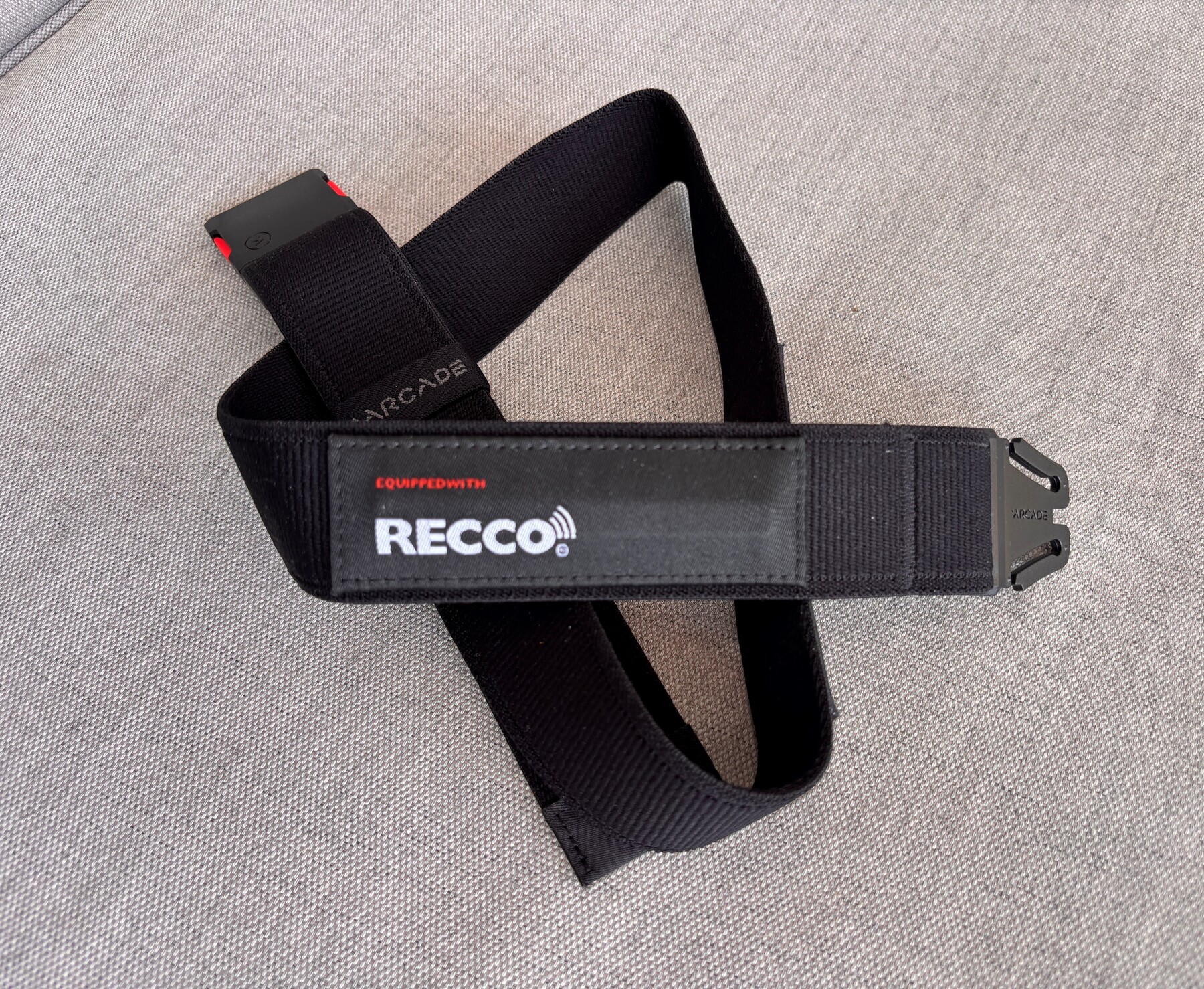
The four-gram reflector in the belt is only noticeable by its inscription.
Previously implemented in jackets, ski boots, and helmets, the system's primary focus was on rapid avalanche rescue. However, a new development sees Recco reflectors integrated into items like belts, such as those from Arcade for around 50 euros. This innovation addresses situations where time is not of the essence, but a person is simply overdue or unreachable. The belt is a practical choice as it is less likely to be accidentally left behind compared to loose tags or backpack attachments.
The system does not replace searching with an 'avalanche transceiver' (which everyone in every ski touring group always carries).
DistantNews Editorial
Originally published by Die Presse in German. Translated, summarized, and contextualized by our editorial team with added local perspective. Read our editorial standards.
More Stories



From Our Blog

What Gets Lost (and Found) When News Is Translated

The Critical Role of Diaspora Media in Global News

What Travellers Should Know About Countries with Restricted Press

A Digital Nomad's Guide to Following Local News

How the Same Story Looks Different in Different Countries
