

Record 41.4°C heat scorches South Korea; beaches empty as cities bake
Translated from Korean, summarized and contextualized by DistantNews.
At a glance
News
Named sources
Context piece
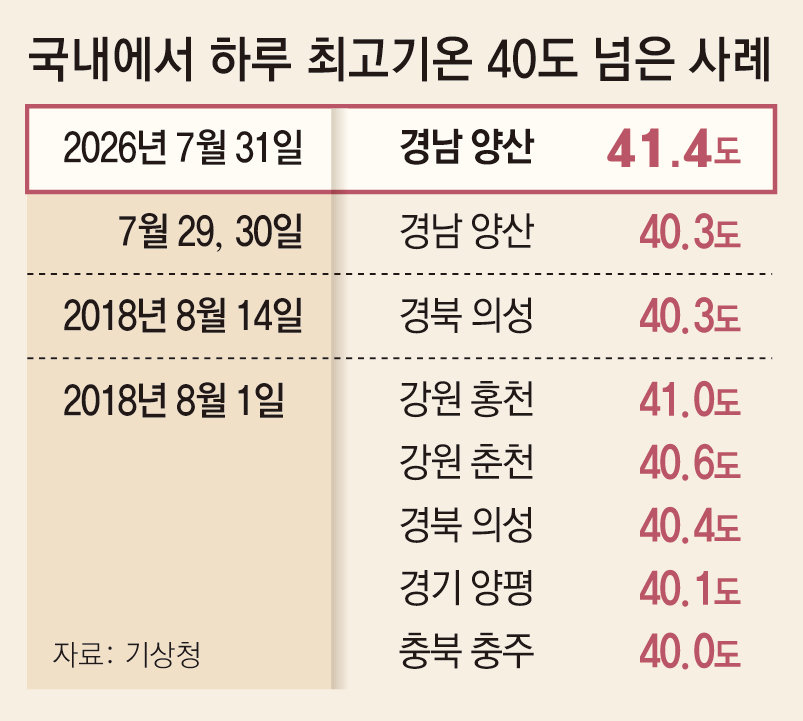
- Yangsan recorded a record-breaking 41.4°C (106.5°F), the highest temperature in South Korean meteorological history, leading to deserted streets and struggling businesses.
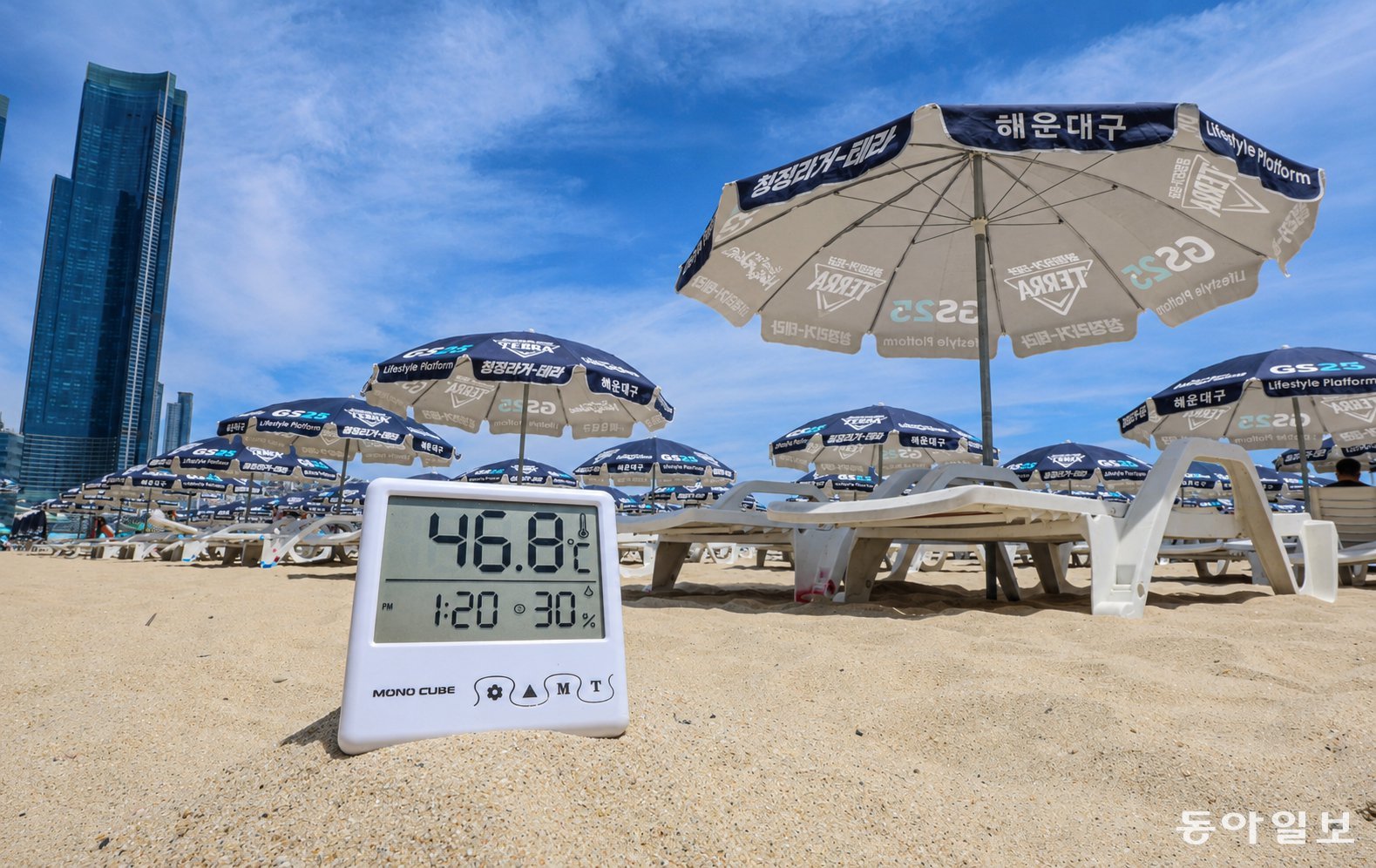
- Coastal areas like Haeundae Beach were empty during the day due to scorching sand, with visitors preferring to stay indoors until evening.
- The extreme heat is attributed to a combination of high-pressure systems and hot, dry westerly winds, exacerbated by local geography and warmer sea surface temperatures.
The city of Yangsan sweltered under a record-breaking 41.4°C (106.5°F) on July 31, marking the highest temperature ever recorded in South Korea's meteorological history. The extreme heat left city streets eerily quiet, with residents seeking refuge from the oppressive temperatures. Local markets, usually bustling with activity, were deserted as merchants battled the relentless heat.
If only it would rain a little bit...
One elderly street vendor lamented the lack of rain, fanning away flies while wiping sweat. The intense heat made even simple tasks unbearable, with cooling mist devices and water trucks struggling to provide any significant relief to the overheated urban landscape. Traditional markets, typically vibrant hubs, were unusually empty, forcing shopkeepers to rely on air conditioning and ice to preserve their goods.
Coastal attractions also felt the heat's impact. Haeundae Beach, a popular summer destination, was largely deserted during the day. Visitors found the sand too hot to walk on, leading many to abandon daytime beach activities. Tourists from Seoul described it as the hottest Haeundae they had ever experienced, a sentiment echoed by a local who noted the unusual absence of cooling sea breezes.
The sand is so hot, I can't stand on it barefoot for even a moment. I'm worried my children might get sick if they play in this scorching sun, so we decided to skip daytime water play.
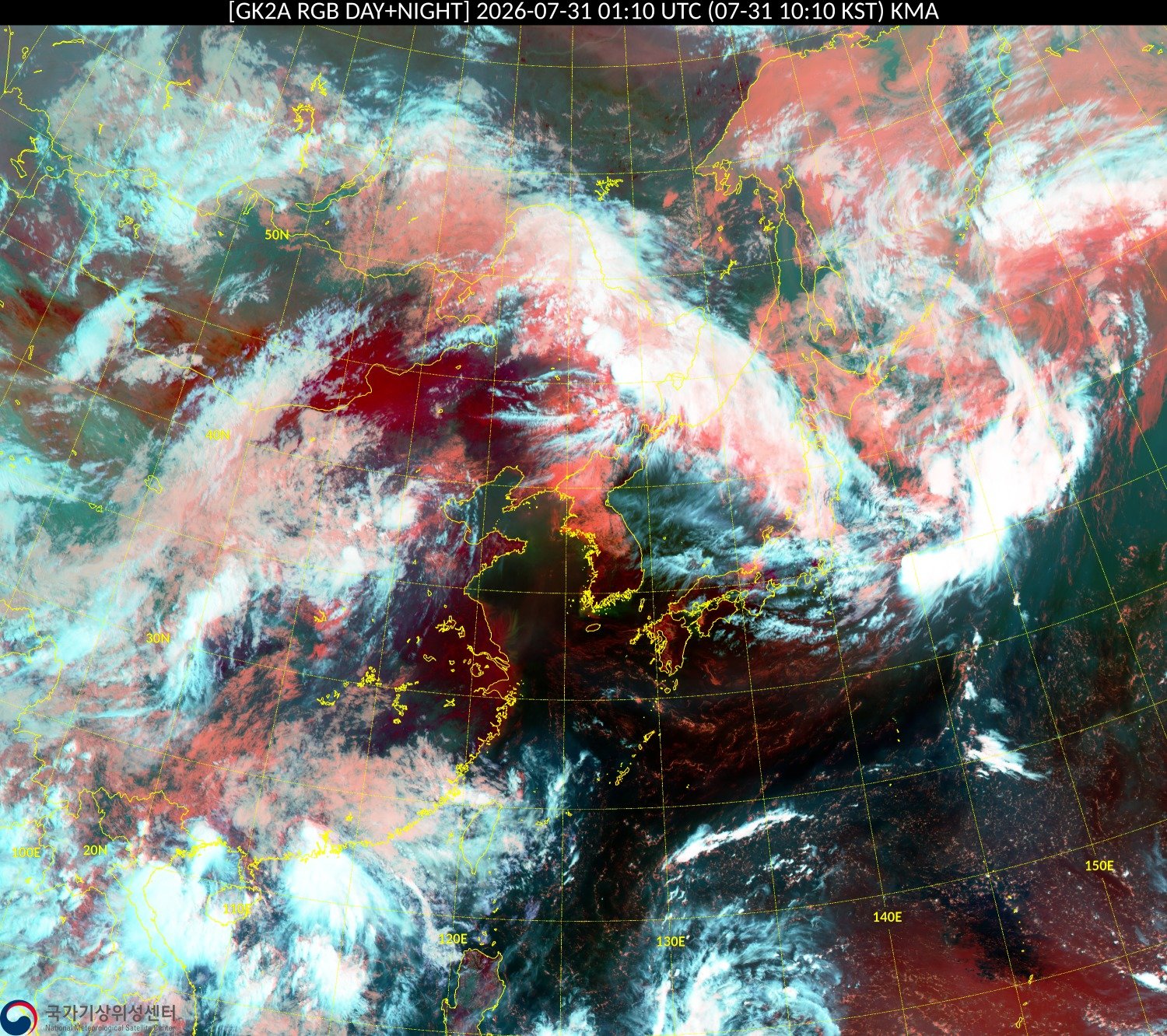
This unprecedented heatwave is attributed to a dual high-pressure system covering the Korean Peninsula, combined with strong westerly winds. These winds, after crossing mountain ranges, become hot and dry, significantly increasing temperatures in the Yeongnam region. Yangsan's geographical location, surrounded by mountains, traps the heat, while in Busan, hot westerly winds are blocking the typically cooling sea breezes. Warmer sea surface temperatures further diminish the cooling effect of the ocean, contributing to the record-breaking temperatures.
I've never experienced such a hot Haeundae. The news said it's the hottest weather in 100 years, and I can feel it.
DistantNews Editorial
Originally published by Dong-A Ilbo in Korean. Translated, summarized, and contextualized by our editorial team with added local perspective. Read our editorial standards.
More Stories


From Our Blog

What Gets Lost (and Found) When News Is Translated

The Critical Role of Diaspora Media in Global News

What Travellers Should Know About Countries with Restricted Press

A Digital Nomad's Guide to Following Local News

How the Same Story Looks Different in Different Countries
