

Westward spread: Seoul braces for 37°C heat as southern heatwave intensifies
Translated from Korean, summarized and contextualized by DistantNews.
At a glance
News
Official statement
Context piece
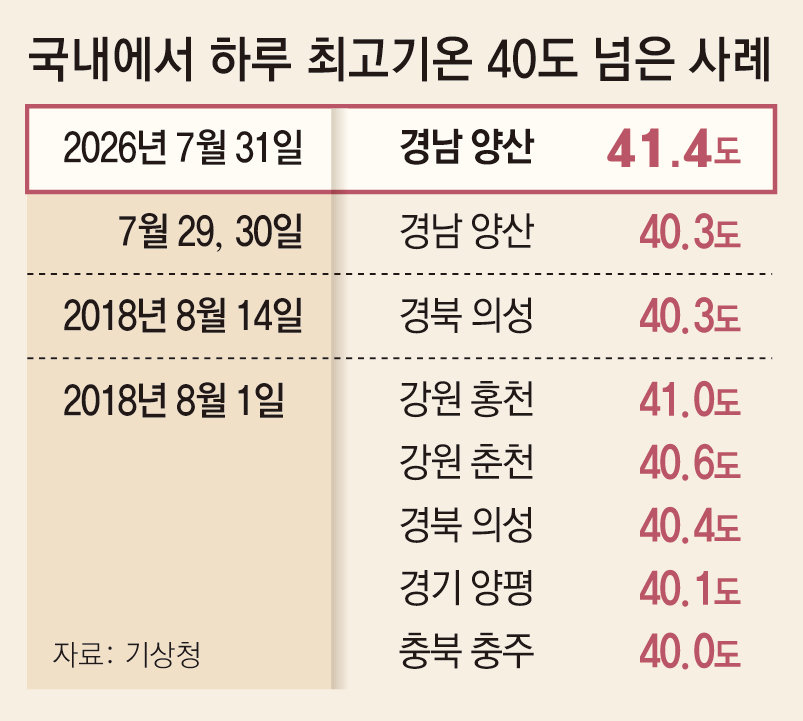
- The extreme heatwave currently affecting southern South Korea is expected to spread westward to the Seoul metropolitan area and Chungcheong region next week.
- Temperatures in Seoul could reach up to 37°C (98.6°F) as westerly winds shift to easterly, potentially intensifying the heat due to the Foehn effect.
- Prolonged heat has worsened drought conditions in southern regions, with rainfall significantly below average.
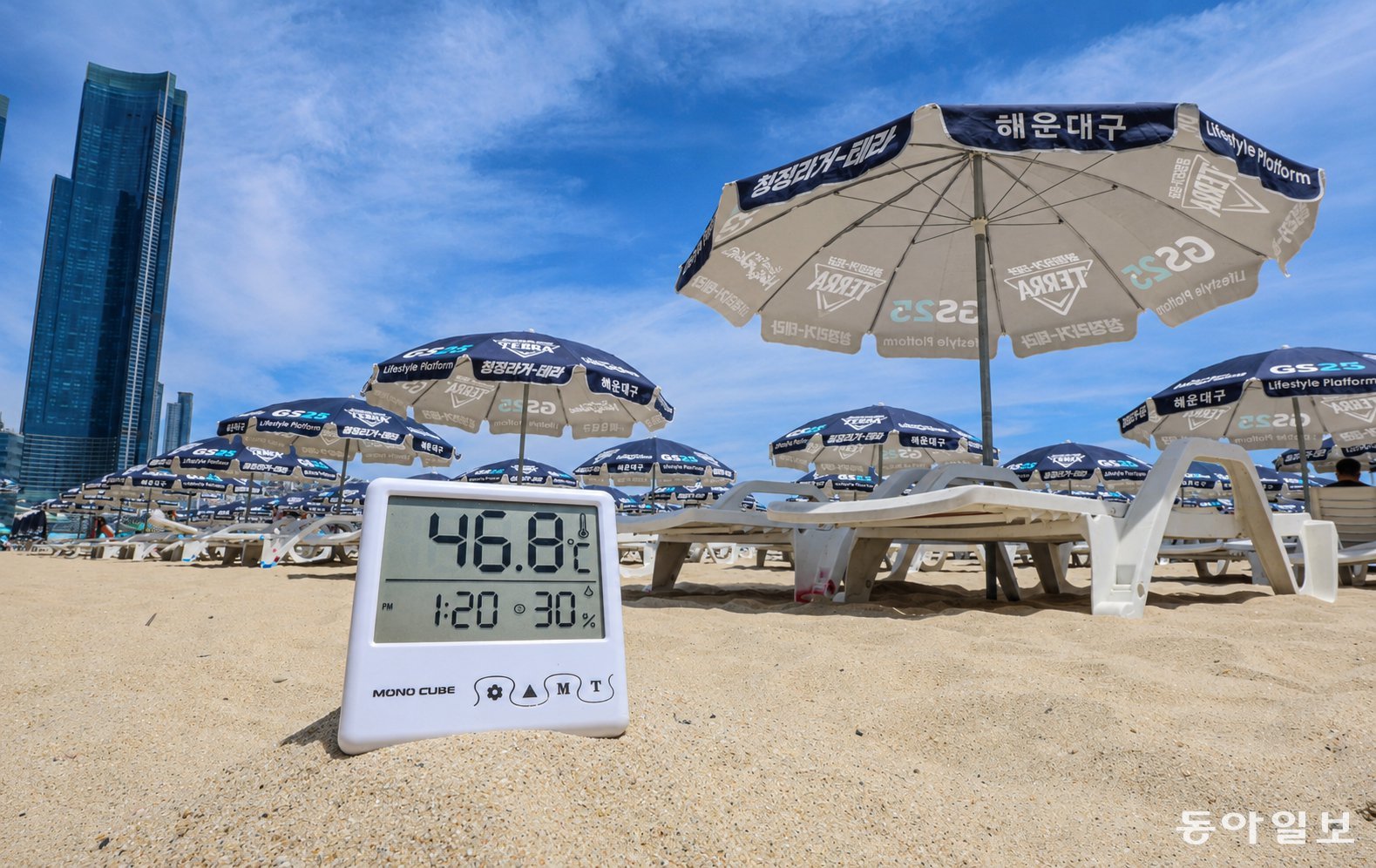
The record-breaking "extreme heatwave" gripping southern South Korea is forecast to expand westward to the capital region and the Chungcheong provinces starting next week. As hot and dry winds shift from west to east, Seoul's daytime temperatures are predicted to climb as high as 37°C (98.6°F).
Forecasters anticipate that from August 1-2, morning lows nationwide will range from 21-27°C (70-81°F), with daytime highs between 32-38°C (90-100°F), significantly above average. High humidity will push the perceived temperature to around 35°C (95°F) in most areas. Several areas in Gyeongnam province have already been placed under the highest level of heatwave advisory, with perceived temperatures expected to exceed 38°C (100.4°F).
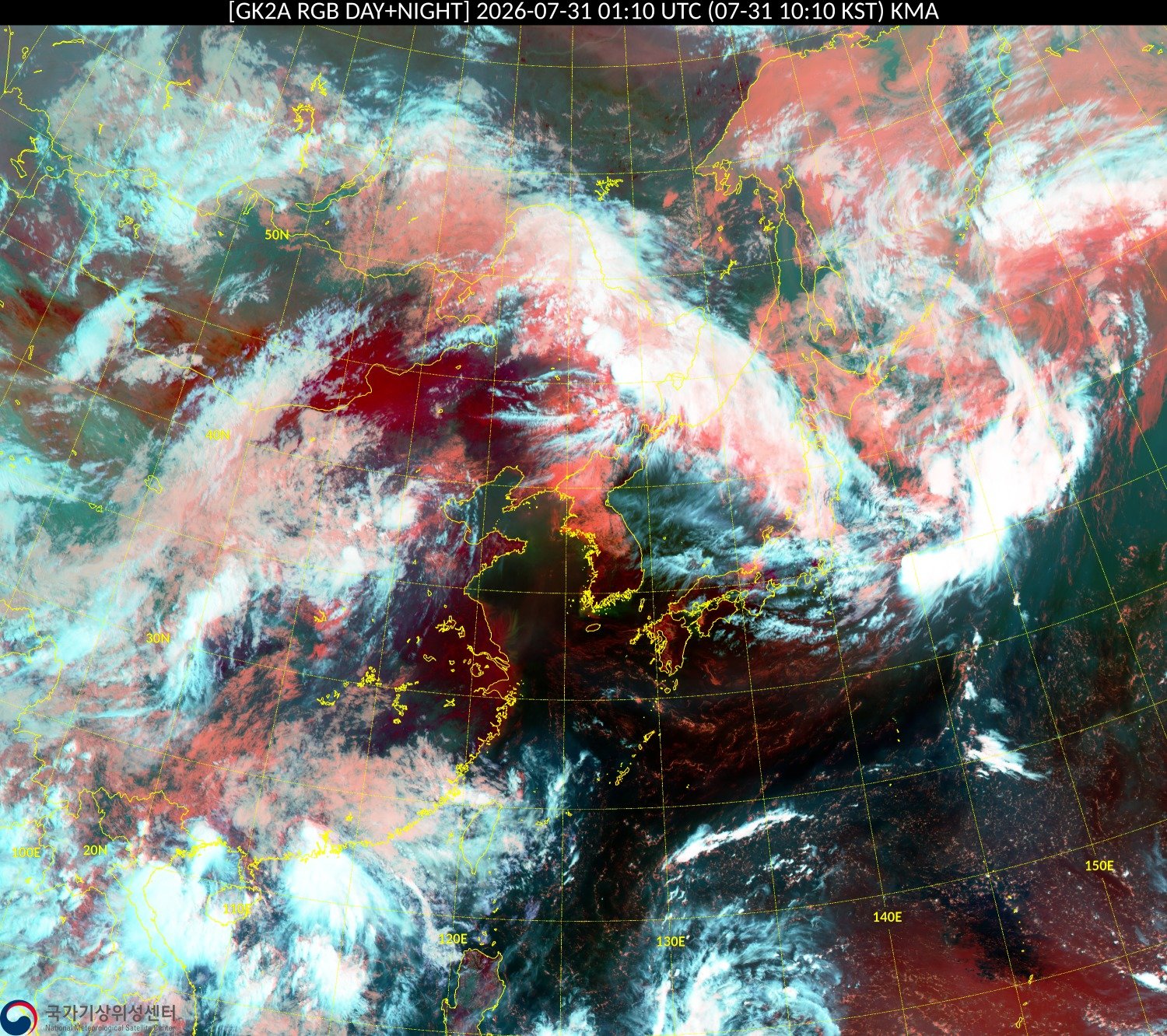
The shift in wind direction is a key factor. Currently, hot and dry westerly winds are prevalent. However, around August 3rd, these winds are expected to turn easterly. When these winds cross the Baekdudaegan mountain range, they lose moisture and heat up further, a phenomenon known as the Foehn effect. This will likely drive up temperatures rapidly in the capital and Chungcheong regions.
Adding to the concern, the path of Typhoon Dolphin, currently moving north, could influence the heatwave's intensity. While its exact trajectory towards the Korean Peninsula remains uncertain, the typhoon's movement might disrupt the positioning and strength of the North Pacific high-pressure system, potentially exacerbating the heat. Meanwhile, the prolonged heat has intensified drought conditions in the southern provinces, with rainfall in the Busan, Ulsan, and Gyeongnam regions measuring only 22.4% of the annual average.
DistantNews Editorial
Originally published by Dong-A Ilbo in Korean. Translated, summarized, and contextualized by our editorial team with added local perspective. Read our editorial standards.
More Stories


From Our Blog

What Gets Lost (and Found) When News Is Translated

The Critical Role of Diaspora Media in Global News

What Travellers Should Know About Countries with Restricted Press

A Digital Nomad's Guide to Following Local News

How the Same Story Looks Different in Different Countries
