


Record Wave of IPO Lock-Up Shares to Hit Hong Kong Market
Translated from English, summarized and contextualized by DistantNews.
At a glance
News
Named sources
Context piece
- A record number of lock-up shares are set to expire in Hong Kong this week, potentially impacting the stock market.
- Several hot new listings, including Knowledge Atlas Technology, face lock-up expirations, with significant percentages of their shares becoming available.
- Analysts warn of secondary selling pressure, with Goldman Sachs estimating $274 billion in locked-up shares to be released over the next 12 months.
Hong Kong's stock market faces an unprecedented wave of lock-up share expirations this week, potentially creating significant selling pressure on an already struggling market. Brokers anticipate a substantial influx of shares from some of the city's most successful recent IPOs.
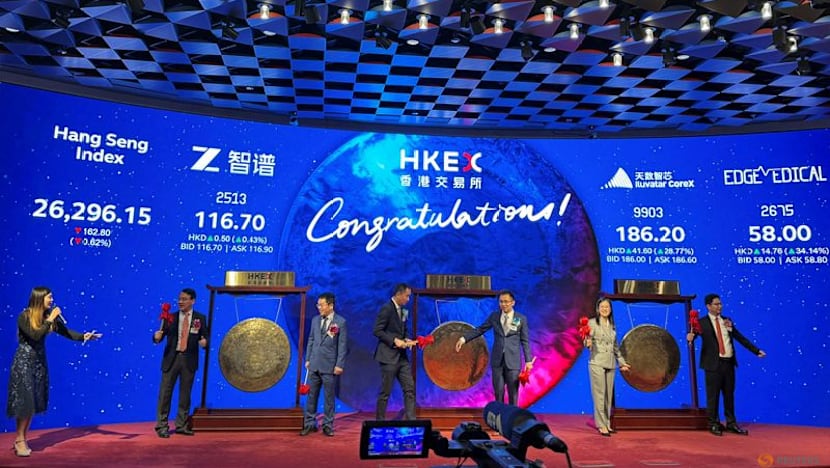
Knowledge Atlas Technology, a Chinese AI developer whose stock has surged over 1,200 percent since its listing, will see 25.6 million shares freed from a six-month cornerstone investor lock-up on Wednesday. This represents nearly 6 percent of its outstanding shares. Other companies, including MiniMax and Shanghai Iluvatar CoreX Semiconductor, also face expirations, with substantial portions of their respective outstanding shares becoming available.
The strong performance of these new listings, with an average first-day return of 61 percent in the first half of 2026, could further fuel profit-taking. This comes as Hong Kong's benchmark Hang Seng Index has declined 8.9 percent year-to-date.
Analysts at Morgan Stanley noted that secondary selling pressure will be most concentrated in July and September. They cautioned that these events can create "liquidity headwinds even when fundamentals remain intact," contributing to their cautious outlook on the Hong Kong market. Goldman Sachs estimates that a record $274 billion worth of locked-up shares will be released into the market over the next 12 months. Historically, share prices have seen a dip of 4 percent to 7 percent within three to six months following such releases.
These events can create liquidity headwinds even when fundamentals remain intact.
DistantNews Editorial
Originally published by CNA in English. Translated, summarized, and contextualized by our editorial team with added local perspective. Read our editorial standards.
More Stories



From Our Blog

What Gets Lost (and Found) When News Is Translated

The Critical Role of Diaspora Media in Global News

What Travellers Should Know About Countries with Restricted Press

A Digital Nomad's Guide to Following Local News

How the Same Story Looks Different in Different Countries
