

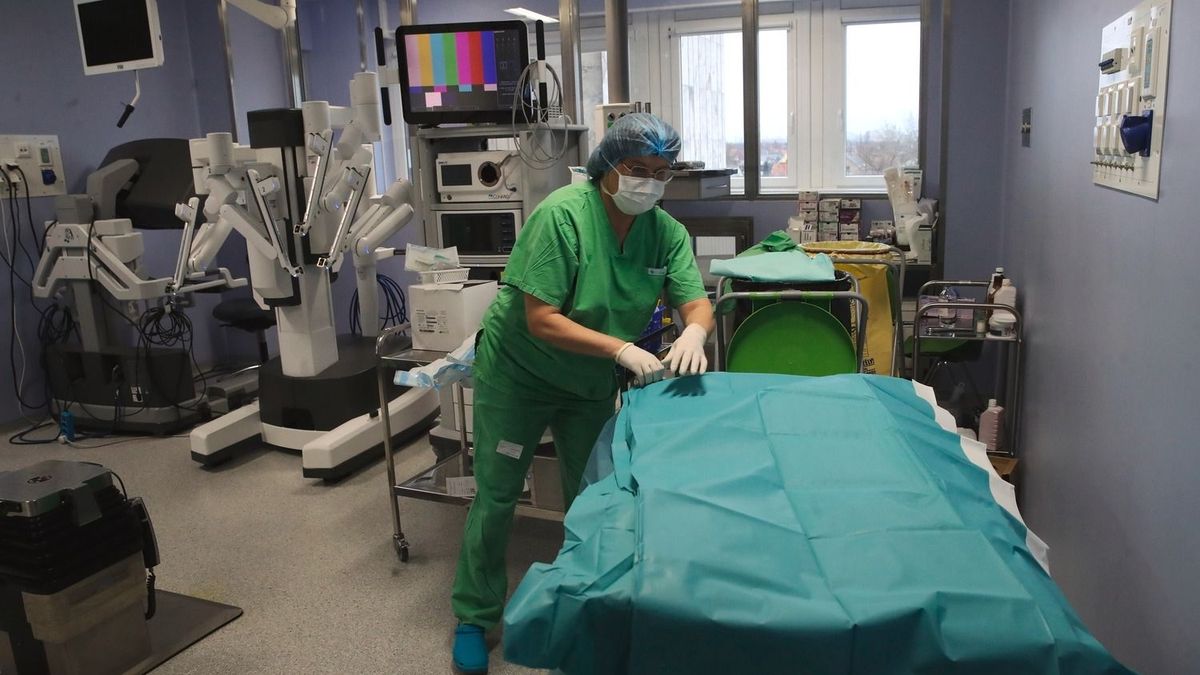

Recovery plan unlikely to restore Hungary's healthcare, critics say
Translated from Hungarian, summarized and contextualized by DistantNews.
At a glance
News
Sources not specified
Context piece
- The Hungarian government's recovery plan significantly reduces funding allocated for healthcare development.
- Funds for healthcare digitalization have been drastically cut, and overall healthcare spending is reduced.
- The article expresses criticism that the recovery plan will not effectively restore the healthcare sector.
Hungary's national recovery plan, intended to stimulate post-pandemic economic and social development, faces criticism for its substantial cuts to healthcare funding. The plan, which aims to allocate funds for various sectors, appears to divert resources away from crucial health services.
According to reports, the amount designated for healthcare development has been reduced from 643 million euros to 240 million euros. This significant decrease raises concerns about the future of Hungary's healthcare system and its ability to meet the needs of its citizens.
Furthermore, funding for the digitalization of healthcare services has been drastically curtailed, reportedly cut to one-tenth of its original allocation. This reduction could hinder the modernization and efficiency of healthcare delivery, impacting everything from patient records to remote consultations.
The article suggests that the recovery plan's focus may not align with the actual needs of the healthcare sector, leading to the conclusion that it will not effectively restore or improve the system. The criticism implies a misalignment between the government's stated goals and the financial commitments outlined in the plan.
DistantNews Editorial
Originally published by Magyar Nemzet in Hungarian. Translated, summarized, and contextualized by our editorial team with added local perspective. Read our editorial standards.
More Stories


From Our Blog

Countries Without a Free Press: What You Need to Know

What Press Freedom Means for the News You Read

What Gets Lost (and Found) When News Is Translated

The Critical Role of Diaspora Media in Global News

What Travellers Should Know About Countries with Restricted Press
