


Red Carpet for Putin: Why China-Russia Ties Outpace Beijing’s Engagement with Washington
Translated from English and summarized by DistantNews. Read the original for the full story.
At a glance
News
Named sources
Context piece
- Russian President Vladimir Putin's visit to China underscores the strong and frequent diplomatic ties between the two nations.
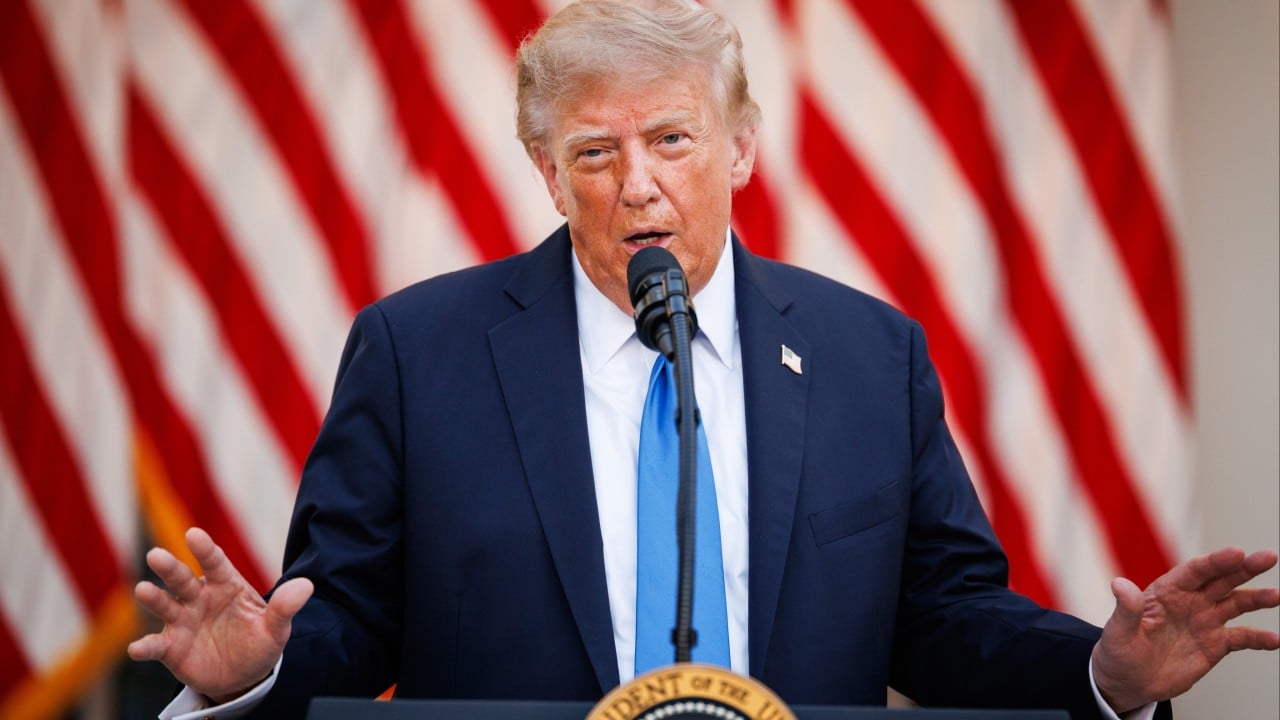
- This visit marks the first time China has hosted both the Russian and US leaders in the same month outside a multilateral summit.
- Despite the high-level engagement, the China-Russia relationship is characterized by long-standing cooperation that is unlikely to be fundamentally altered by these recent diplomatic exchanges.
China has accorded a significant welcome to Russian President Vladimir Putin, marking his 25th visit to the country with a state visit. This high frequency of head-of-state diplomacy starkly contrasts with Beijing's engagement with Washington, highlighting the depth and strategic importance of the China-Russia partnership. Putin's arrival in Beijing, occurring shortly after US President Donald Trump's visit, places China in a unique diplomatic position, hosting leaders from two global powers within the same month, albeit outside of major international forums.
The South China Morning Post notes that while the rapid succession of these high-profile visits might seem consequential, it is unlikely to fundamentally reshape the broader trajectory of China-Russia cooperation. The relationship between Beijing and Moscow is built on a foundation of long-standing, highly reciprocal, and consistently frequent exchanges. This enduring partnership is driven by shared strategic interests and a mutual desire to counterbalance Western influence, particularly that of the United States.
From a Chinese perspective, the red carpet treatment for Putin signifies more than just a diplomatic courtesy; it reinforces Beijing's commitment to its strategic partner. While China maintains a complex relationship with the US, characterized by both competition and necessary engagement, its ties with Russia are often framed as a more stable and ideologically aligned partnership. This visit underscores China's foreign policy approach, which prioritizes strategic alliances and mutual support among nations seeking to foster a multipolar world order, distinct from the US-led international system.
The significance of Putin's visit, therefore, lies not in its potential to dramatically alter the geopolitical landscape overnight, but in its reaffirmation of the robust and enduring nature of the China-Russia relationship. It demonstrates Beijing's consistent foreign policy priorities and its dedication to strengthening ties with Moscow, a partnership that serves as a key pillar in its broader geopolitical strategy, distinct from its more transactional and often contentious relationship with the United States.
About this summary
Originally published by South China Morning Post in English. Translated, summarized, and contextualized automatically by DistantNews, with a note on how the source frames the story. Not individually reviewed before publishing. How this works.
More Stories


From Our Blog

Countries Without a Free Press: The 2026 List and What It Means for Readers

What Press Freedom Means for the News You Read

News in Translation: What Gets Lost, and How We Keep the Framing

Diaspora Media: How Communities Abroad Follow Home

Traveling Where the Press Is Not Free: How to Read the News There
