


Redevelopment Apartments: Foreclosure Risks for Lienholders
Translated from Korean, summarized and contextualized by DistantNews.
At a glance
News
Sources not specified
Context piece
- Holders of mortgage liens on apartments slated for redevelopment may face difficulties recovering their funds if the borrower defaults.
- The nature of the collateral and the feasibility of foreclosure change as the redevelopment project progresses through demolition and new construction.
- In "Speculative Overheating Zones," buyers in foreclosed properties might not be eligible for new apartments, potentially reducing the recovery value for lienholders.
Securing a mortgage lien on an apartment intended for redevelopment might seem like a safe bet, but it can become complicated if the borrower defaults on payments.
While the enforcement of a security right is not prohibited simply because a maintenance project is underway, the actual profit can vary greatly depending on the project stage and whether it is a regulated area.
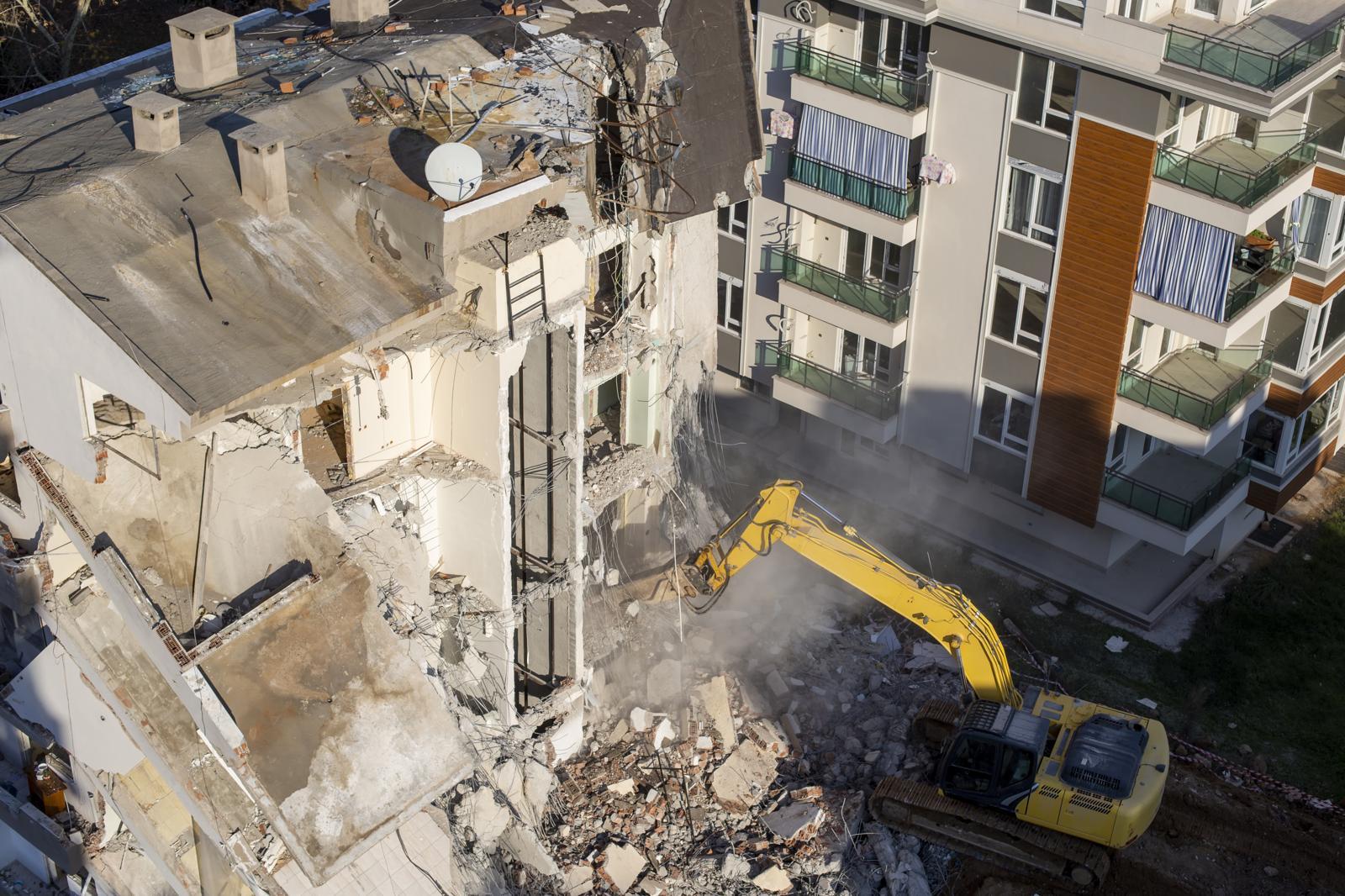
While a lienholder can typically initiate foreclosure proceedings, the process for redevelopment apartments is far from straightforward. The collateral itself transforms throughout the project. Initially, it's a standard apartment. However, once demolition begins, the lien might attach to land rights or a share of the future building. This evolving collateral means the timing of any foreclosure action is critical.
Legal experts note that while redevelopment itself doesn't automatically prohibit enforcing a lien, the practical outcome heavily depends on the project's stage and local regulations. If a property is in a "Speculative Overheating Zone," a buyer acquiring the property through foreclosure might not qualify for rights to a new apartment. This could significantly decrease the property's value at auction, diminishing the lienholder's chances of recovering the full amount owed.
If you get foreclosed upon, you can't get a new apartment, so bidders are reluctant, and the sale price drops.
The situation becomes particularly complex during the relocation phase for current residents. At this point, existing liens often need to be cleared or have their priority adjusted to facilitate relocation loans or trust registrations. Lienholders may be pressured to release their claims or accept subordinate positions, potentially weakening their security without additional compensation or alternative collateral.
The practical turning point where the settlement of rights is essential is the relocation stage.
DistantNews Editorial
Originally published by Dong-A Ilbo in Korean. Translated, summarized, and contextualized by our editorial team with added local perspective. Read our editorial standards.
More Stories



From Our Blog

What Gets Lost (and Found) When News Is Translated

The Critical Role of Diaspora Media in Global News

What Travellers Should Know About Countries with Restricted Press

A Digital Nomad's Guide to Following Local News

How the Same Story Looks Different in Different Countries
