

Reflections on Manors: The Beginning of a New Life for Restored Estates
Translated from Estonian, summarized and contextualized by DistantNews.
At a glance
In-depth
Sources not specified
Context piece
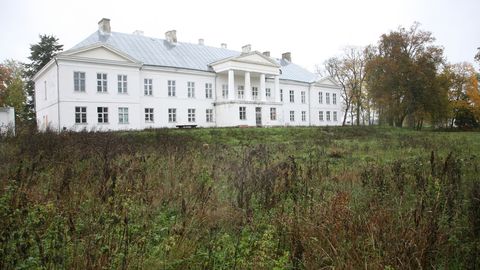
- Estonian manors, once symbols of power and witnesses to peasant life, reflect Estonia's complex history.
- These estates have undergone significant transformations, from land reforms to Soviet-era collectivization and post-independence restoration.
- Today, many manors are being repurposed as museums, schools, or private residences, prompting reflection on their future and historical significance.
The grand estates of Estonia, known as manors, stand as silent storytellers of a nation's intricate past. More than just remnants of bygone eras, they embody a complex historical narrative, prompting questions about whose stories are truly being told – those of the barons, the peasants, or the very landscapes that have witnessed both prosperity and hardship.
Throughout centuries, these manors served dual roles: as potent symbols of authority and as quiet observers of the aspirations of the rural populace. Their walls have absorbed the echoes of Estonia's societal shifts, from the pivotal land reforms that allowed peasants to own property, through the radical land redistribution during the Soviet era, and into the modern wave of restoration that has swept across the country since regaining independence.
Many of these former aristocratic residences now find themselves at a crossroads, entering a new chapter of their existence. As museums, educational institutions, or private homes, they carry the weight of their past, having housed everyone from noble families to collective farm leaders. This transition raises a crucial question for contemporary Estonia: how many are prepared to see these manors as more than just valuable real estate, but as vital links to their national identity and historical memory?
Manors are not just ruins of the past, but a complex mirror of Estonian history, in which we still see our own faces today.
DistantNews Editorial
Originally published by Postimees in Estonian. Translated, summarized, and contextualized by our editorial team with added local perspective. Read our editorial standards.
More Stories

From Our Blog

What Gets Lost (and Found) When News Is Translated

The Critical Role of Diaspora Media in Global News

What Travellers Should Know About Countries with Restricted Press

A Digital Nomad's Guide to Following Local News

How the Same Story Looks Different in Different Countries
