


Regional Airports Gain Altitude as Airlines Seek Growth Beyond Mexico City
Translated from Spanish, summarized and contextualized by DistantNews.
At a glance
News
Documents & data
Context piece
- Regional airports in Mexico are experiencing significant passenger growth as airlines seek alternatives to the congested Mexico City International Airport (AICM).
- Airports like Durango and San Luis Potosí saw traffic increase by 27% in June, while others also reported double-digit growth.
- Airlines are developing new routes connecting medium-sized cities, decentralizing the national air travel network.
Mexican regional airports are experiencing a surge in passenger traffic as airlines actively develop new routes, seeking growth opportunities beyond the capacity-constrained Mexico City International Airport (AICM).
During June, while AICM saw a 2.1% decrease in passenger numbers, airports such as Durango and San Luis Potosí recorded impressive 27% increases. Acapulco and Tampico followed with 20% growth, alongside significant gains in Tepic (18%), Querétaro (16%), Puerto Escondido (15%), and Zacatecas (13.5%), according to data from the Federal Civil Aviation Agency.
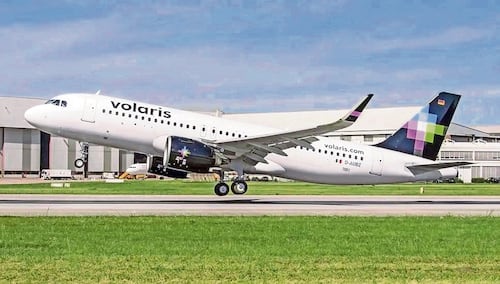
Independent air sector analyst Fabricio Cojuc notes that regional airports represent a key area for developing new routes. He observes that airlines like Volaris are prioritizing interconnections between medium-sized cities rather than solely focusing on expansion from AICM. This strategy is driving double-digit growth in these regional hubs, with Volaris notably expanding its domestic footprint by adding services on underserved or previously unserved routes.
This shift is leading to a more decentralized route network across Mexico. For instance, Volaris launched a new Durango-Querétaro route and now flies from San Luis Potosí to Monterrey, Chicago, Puebla, and Puerto Vallarta. Aerus has also introduced a seasonal Durango-Monterrey route. The airport in Tepic recently underwent a significant investment, expanding its runway to accommodate international flights from the U.S. and Canada, with projections to serve 4 million passengers annually.
These airports have double-digit growth. Volaris is expanding its domestic footprint by adding services on routes that are sub-served or have never been served, while the more mature ones like AICM, Cancun, Guadalajara and Monterrey have more operational restrictions.
DistantNews Editorial
Originally published by El Universal in Spanish. Translated, summarized, and contextualized by our editorial team with added local perspective. Read our editorial standards.
More Stories



From Our Blog

What Press Freedom Means for the News You Read

What Gets Lost (and Found) When News Is Translated

The Critical Role of Diaspora Media in Global News

What Travellers Should Know About Countries with Restricted Press

A Digital Nomad's Guide to Following Local News
