


Regional SMEs struggle with 'triple high' costs, delinquency rates hit 11-year peak
Translated from Korean, summarized and contextualized by DistantNews.
At a glance
News
Named sources
Context piece
- The average delinquency rate for small and medium-sized enterprises (SMEs) at five regional banks reached its highest point in over 11 years in June.
- This rise in SME delinquency, particularly in real estate and construction, is attributed to the 'triple high' economic pressures of high interest rates, high exchange rates, and high oil prices.
- Experts warn of a deepening 'K-shaped' economic polarization, where large corporations in sectors like semiconductors thrive while SMEs and self-employed individuals face increasing hardship.
Regional banks are facing a significant increase in loan defaults among small and medium-sized enterprises (SMEs), with the average delinquency rate hitting its highest level in over 11 years. In June, the five major regional banks, BNK Busan, BNK Gyeongnam, Gwangju, Jeonbuk, and iM Bank, reported an average SME delinquency rate of 1.46%. This figure surpasses the 0.58% average seen at the five major commercial banks, which primarily handle loans in the Seoul metropolitan area, highlighting a stark disparity.
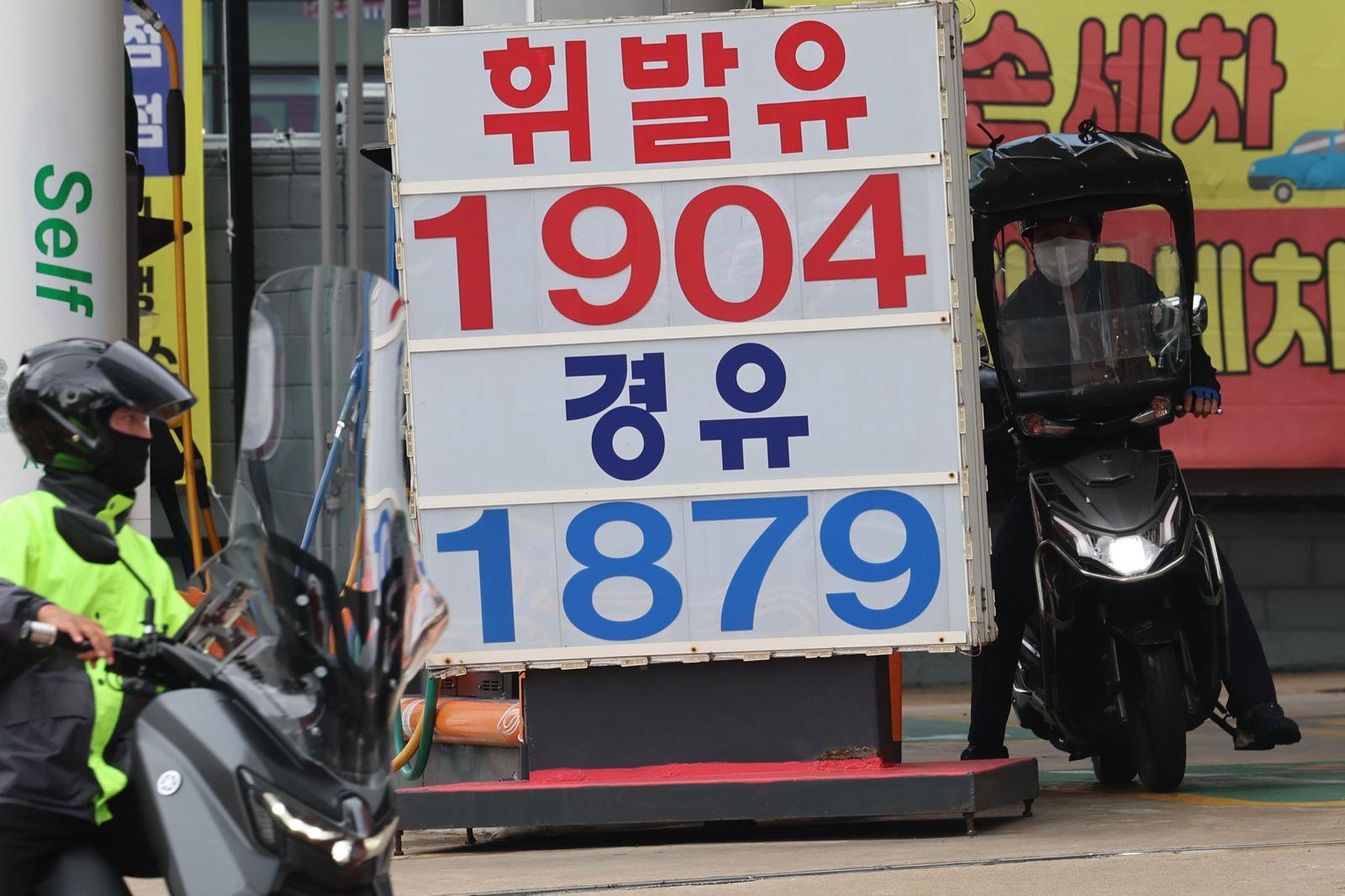
The current economic climate, characterized by high interest rates, high exchange rates, and high oil prices, dubbed the 'triple high', is placing immense pressure on businesses. Rising operational costs, including fuel and raw materials, coupled with increased interest payments on variable-rate loans, are pushing many SMEs to the brink. The Bank of Korea's recent base rate hike is expected to further exacerbate this situation, making it harder for struggling businesses to refinance or manage their debt.
International oil prices have risen, increasing fuel and operating costs, but I can't even think about new facility investments because I have to pay interest.
This economic strain is leading to a widening 'K-shaped' polarization. While large corporations, particularly in booming sectors like semiconductors, are reporting record profits, SMEs and self-employed individuals are experiencing a deepening downturn. Sectors heavily reliant on domestic consumption, such as real estate, leasing, and wholesale/retail, are showing particularly high delinquency rates. The situation is compounded by a bleak outlook, with over a quarter of SMEs anticipating a worsening business environment next year.
Experts are calling for government intervention to support the most vulnerable segments of the economy. Professor Kang Sung-jin of Korea University's economics department suggests that increased social welfare spending targeted at SMEs and self-employed individuals could help mitigate the widening gap. The current economic trajectory suggests that without targeted support, the divide between thriving large corporations and struggling smaller businesses will continue to grow, posing a significant challenge to overall economic stability.
The layer at the bottom of the K is the region, SMEs, and the self-employed, so as the economy worsens, they inevitably fall further.
DistantNews Editorial
Originally published by Dong-A Ilbo in Korean. Translated, summarized, and contextualized by our editorial team with added local perspective. Read our editorial standards.
More Stories



From Our Blog

What Gets Lost (and Found) When News Is Translated

The Critical Role of Diaspora Media in Global News

What Travellers Should Know About Countries with Restricted Press

A Digital Nomad's Guide to Following Local News

How the Same Story Looks Different in Different Countries
