


Relatives of 30 people missing in Nepal have provided DNA samples in Latvia
Translated from Latvian and summarized by DistantNews. Read the original for the full story.
At a glance
News
Official statement
Ongoing story
- Thirty relatives of people missing in Nepal had submitted DNA samples to Latvian police by Monday, according to the Foreign Ministry.
- Latvia has received differing counts of nationals and tourists believed to have been in Nepal, while Nepalese authorities listed 29 Latvian citizens as missing.
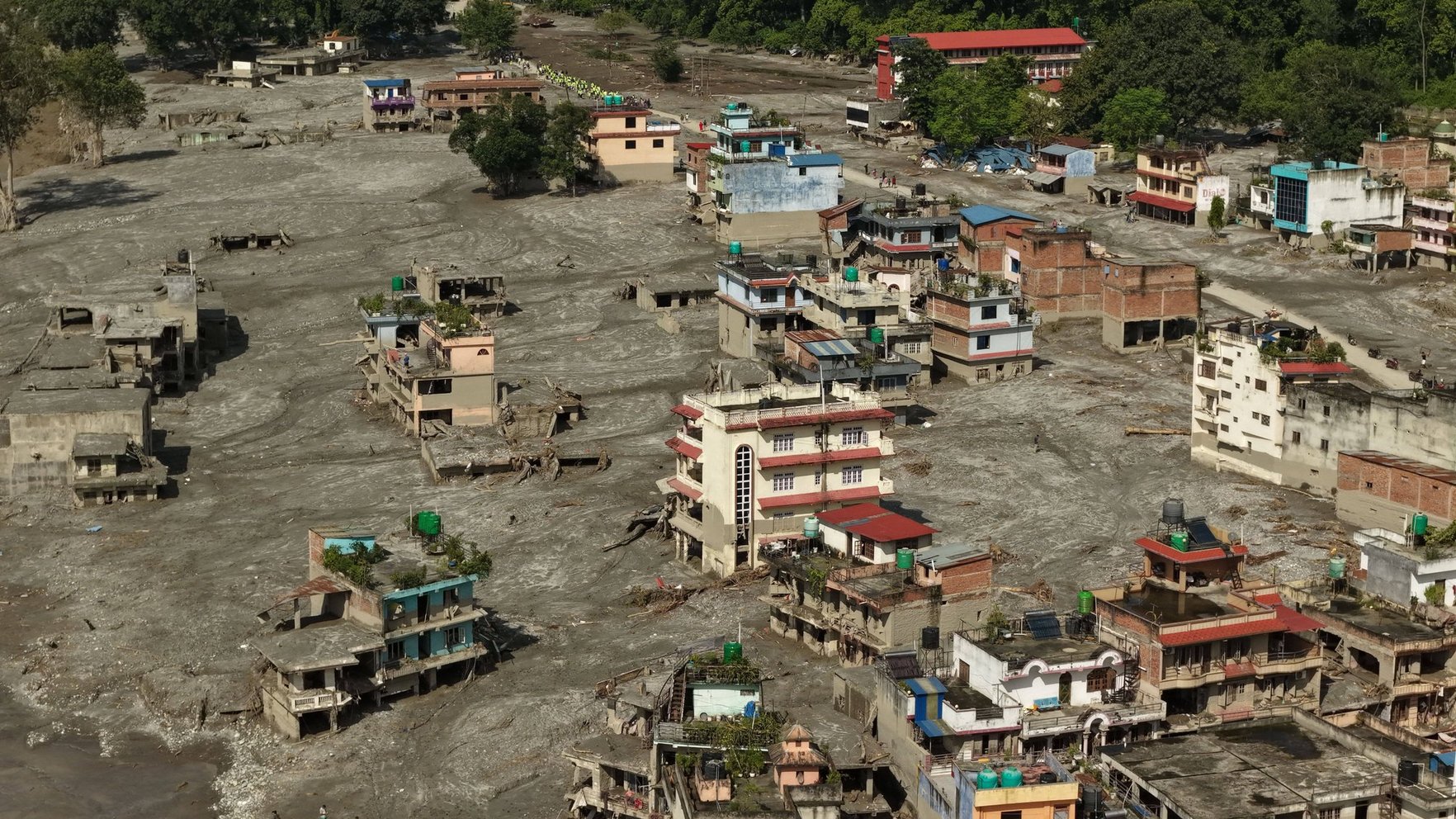
- Rescue operations continued after floods and mudslides in Nepal and Tibet killed more than 1,000 people and left 4,462 missing, according to figures cited by the ministry.
Thirty blood relatives in Latvia have provided DNA samples as authorities work to identify Latvian nationals missing in Nepal, the Foreign Ministry said.
Edīte Medne, director of the ministry’s Consular Department, said the process was continuing. She also said a consular department representative had left for Nepal on Tuesday for what she described as a difficult mission.
Latvian authorities continued coordinating with other ministries and agencies and updating relatives daily. Medne said rescue operations remained active, with people still being found alive. China, India and Australia had also sent assistance to Nepal.
We are still waiting and hoping.
The Foreign Ministry’s list contained information on 39 Latvian tourists in Nepal, including 34 Latvian citizens from two tourist groups. Nepal’s Tourism Department had published information identifying 29 Latvian citizens as missing. Prime Minister Andris Kulbergs had separately said that about 43 Latvian nationals were known to have been in Nepal and that there was still hope of finding those missing alive.
Figures cited on Tuesday put the confirmed death toll from floods and mudslides in Nepal and Tibet above 1,000, with 4,462 people considered missing. Rescue operations were continuing.
He is going on a very difficult mission, and we wish him great strength.
About this summary
Originally published by Delfi Latvia in Latvian. Translated, summarized, and contextualized automatically by DistantNews, with a note on how the source frames the story. Not individually reviewed before publishing. How this works.
More Stories


From Our Blog

What Gets Lost (and Found) When News Is Translated

The Critical Role of Diaspora Media in Global News

What Travellers Should Know About Countries with Restricted Press

A Digital Nomad's Guide to Following Local News

How the Same Story Looks Different in Different Countries
