



'Repairs Have Become More Complicated and Expensive' – Will New EU Directive Increase Device Repair Options?
Translated from Latvian, summarized and contextualized by DistantNews.
At a glance
News
Sources not specified
New plan
- New EU regulations effective July 31 aim to encourage consumers to repair faulty devices instead of replacing them.
- Agnese Caica of LMT Retail & Logistics notes that technological advancements have made repairs more complex and costly.
- Questions remain in Latvia about the availability of sufficient repair technicians and affordable spare parts to meet the new directive's goals.
New European Union regulations, effective July 31, aim to promote a culture of repair over replacement for consumer goods. The directive encourages consumers to fix broken devices rather than immediately buying new ones. However, the practical implementation and potential success of these rules in Latvia are subjects of debate.
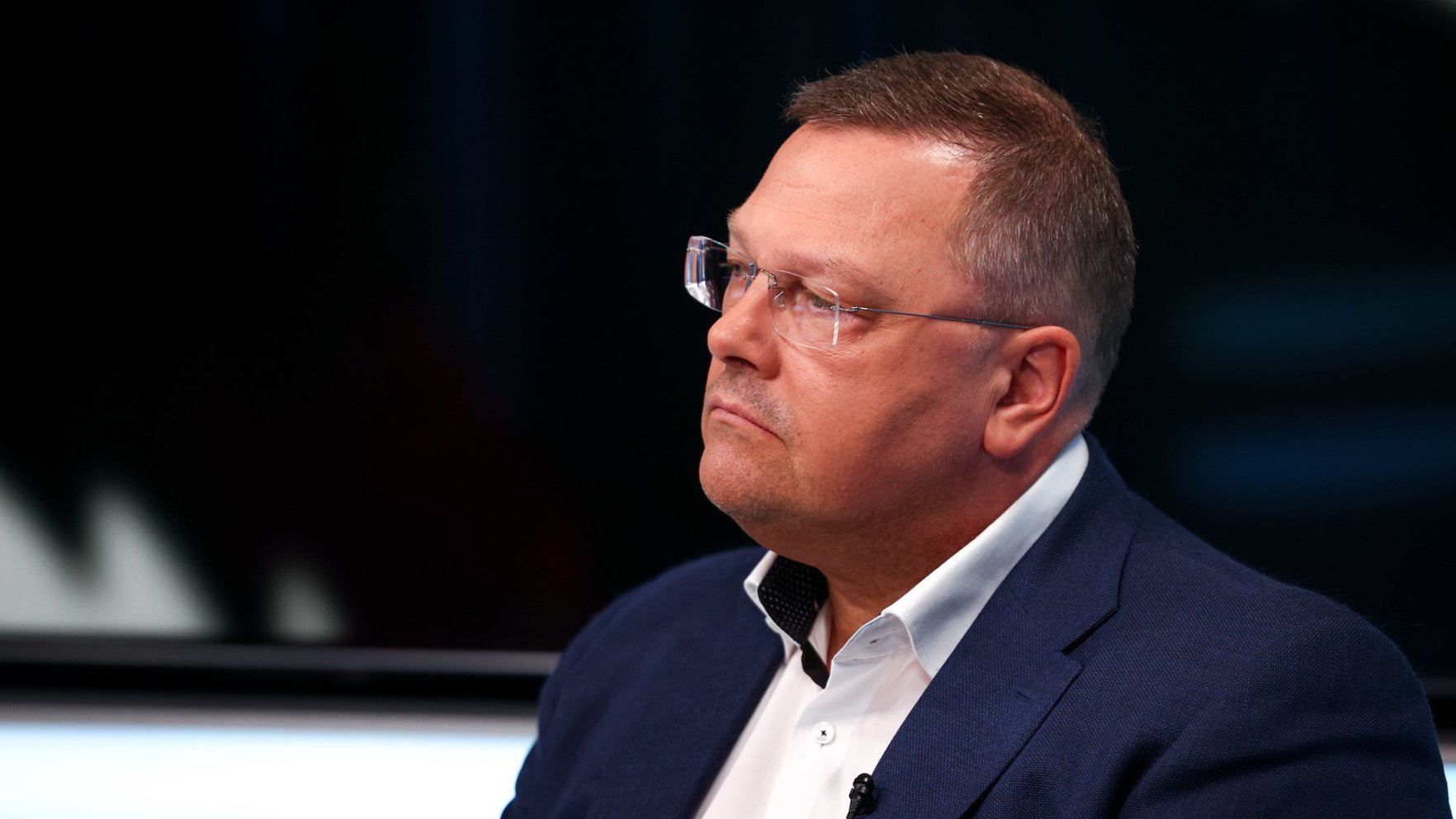
Agnese Caica, head of the after-sales service department at LMT Retail & Logistics, highlighted the increasing complexity and cost associated with repairing modern devices. Technological advancements, while beneficial in many ways, have made the repair process significantly more challenging than in the past.
Caica raised critical questions regarding Latvia's readiness for the new directive. She questioned whether the country possesses an adequate number of skilled repair technicians and a sufficient supply of affordable spare parts to meet the anticipated demand. The success of the EU's push for repairability hinges on these crucial factors being addressed within the Latvian market.
Repairs have become more complicated and expensive.
DistantNews Editorial
Originally published by Delfi Latvia in Latvian. Translated, summarized, and contextualized by our editorial team with added local perspective. Read our editorial standards.
More Stories


From Our Blog

What Gets Lost (and Found) When News Is Translated

The Critical Role of Diaspora Media in Global News

What Travellers Should Know About Countries with Restricted Press

A Digital Nomad's Guide to Following Local News

How the Same Story Looks Different in Different Countries
