


Researcher Calls for Overhaul of 'Outdated' 9-to-5 Workday to Match Biological Rhythms
Translated from Danish, summarized and contextualized by DistantNews.
At a glance
News
Sources not specified
Context piece
- A researcher argues the traditional 9-to-5 workday is outdated and fails to accommodate individual biological rhythms.
- Camilla Kring suggests workplaces should better align with employees' internal clocks, particularly benefiting 'morning people'.
- The current work structure disadvantages those whose natural rhythms don't match the standard schedule.
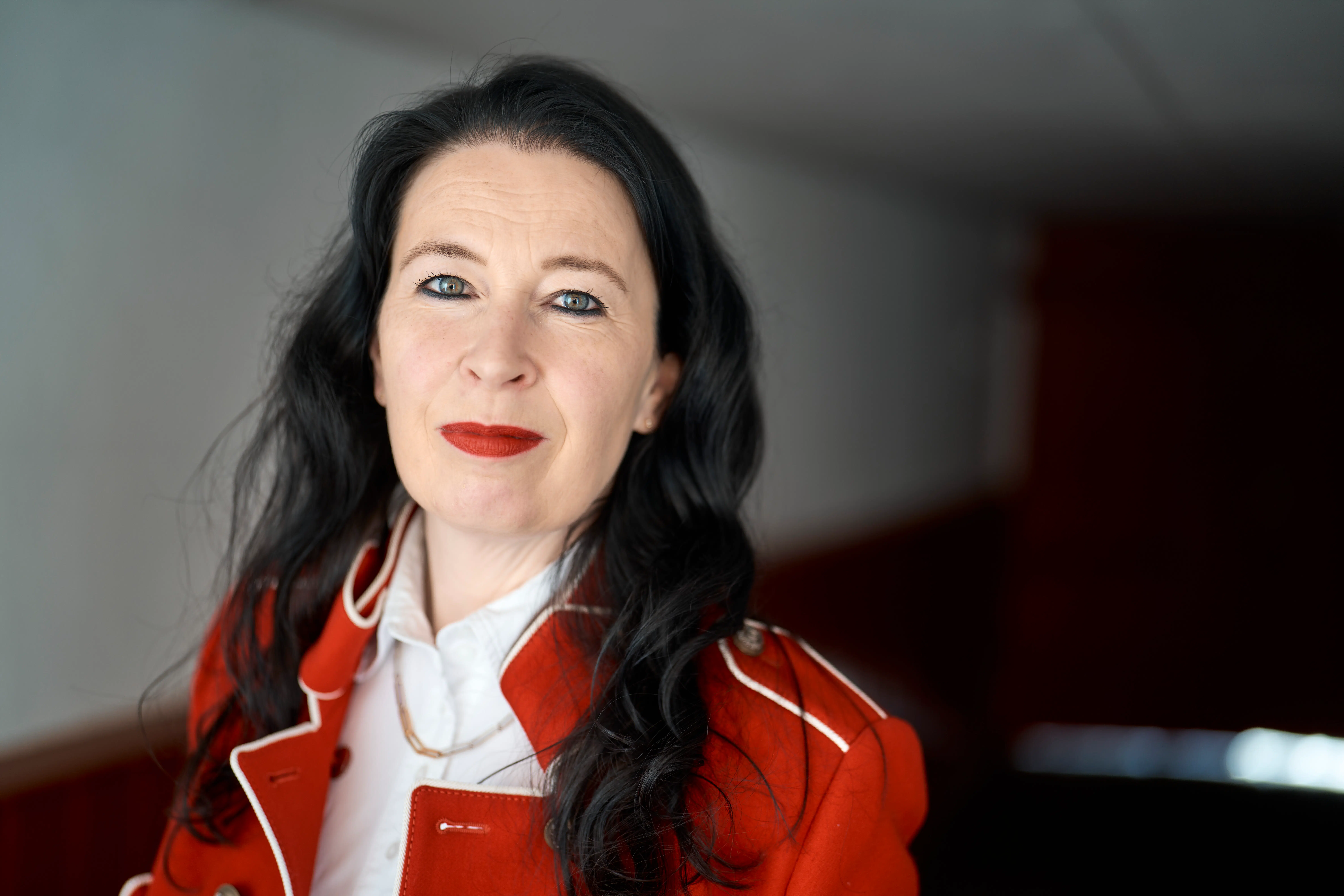
The conventional 9-to-5 workday structure is increasingly being called into question, with researcher Camilla Kring arguing it is an outdated model that neglects the diverse biological rhythms of individuals. Kring contends that workplaces should adapt to better accommodate employees' internal clocks, a shift she believes would significantly benefit the workforce.
Kring's research highlights that the rigid, standardized work schedule often fails to account for natural variations in energy levels and productivity throughout the day. She specifically points out that individuals who are naturally early risers, often referred to as 'morning people,' are better suited to the current system. However, this structure can disadvantage those whose natural peak performance times fall outside these conventional hours.
The classic 9 to 16 work week is outdated.
The call for a more flexible approach suggests a need to move away from a one-size-fits-all model. By recognizing and integrating employees' innate biological rhythms, companies could potentially enhance productivity, improve employee well-being, and create a more inclusive work environment. This perspective challenges the long-held assumptions about how and when work should be performed.
Workplaces should increasingly take into account employees' inner biological clock.
DistantNews Editorial
Originally published by Berlingske in Danish. Translated, summarized, and contextualized by our editorial team with added local perspective. Read our editorial standards.
More Stories


From Our Blog

What Gets Lost (and Found) When News Is Translated

The Critical Role of Diaspora Media in Global News

What Travellers Should Know About Countries with Restricted Press

A Digital Nomad's Guide to Following Local News

How the Same Story Looks Different in Different Countries
