


Resident's last-minute call halts demolition of historic Espoo playground, but city reaffirms plan
Translated from Finnish, summarized and contextualized by DistantNews.
At a glance
News
Sources not specified
New plan
- A resident's last-minute intervention temporarily halted the demolition of a historic playground in Espoo, Finland.
- The playground, designed by landscape architect Jussi Jännes in 1961, is part of a significant architectural ensemble.
- Espoo city officials have reaffirmed their decision to demolish the playground by summer 2026, citing safety concerns.
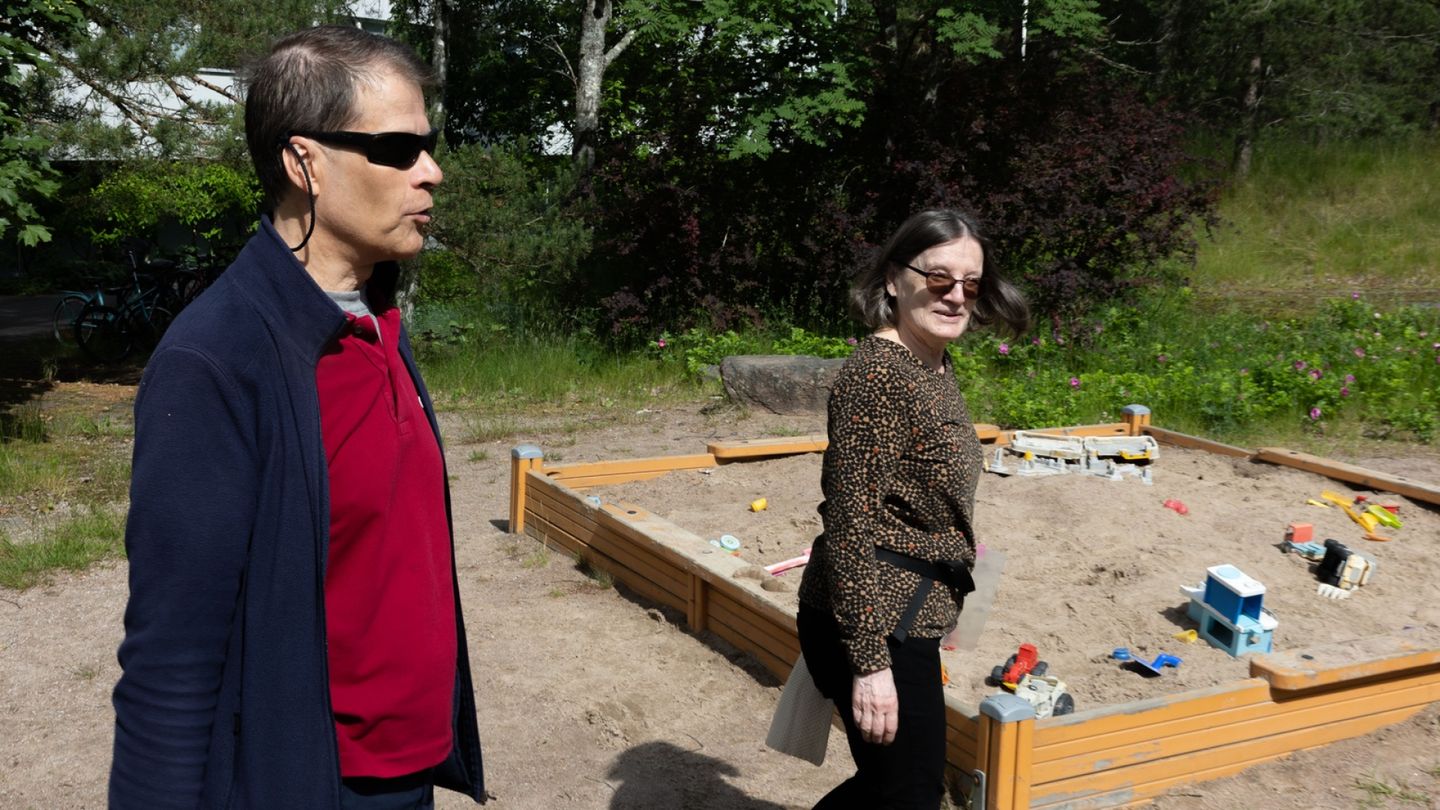
Mika Trapnowski's morning routine was disrupted by the sight of a yellow excavator at the edge of his property. The machine was there to demolish the Tornitason playground in Espoo's Tapiola district, a cherished space he has fought to protect for two decades. Trapnowski, however, had a trump card: a phone call to the Espoo city officials responsible for the demolition.
The excavator driver had received the order: the Tornitason playground was to be demolished, and the area between the apartment buildings would be turned into a meadow.
His call prompted a temporary halt to the work, as he inquired about the playground's protected status. The Tornitason playground is not just any play area; it's an integral part of the architectural landscape designed by Viljo Revell and further shaped by landscape architect Jussi Jännes, known for his work on the Tapiola garden city. Jännes's design emphasized greenery, spaciousness, and the integration of residential buildings with their surrounding grounds.
The playground was designed in 1961 by landscape architect Jussi Jännes, known for his work on the Tapiola garden city. Jännes's design is characterized by greenery, spaciousness, and the integration of apartment buildings with their courtyard areas.
Despite Trapnowski's efforts, the city's technical committee ultimately decided to proceed with the demolition. Committee chair Mikki Kauste informed Trapnowski that no valid cultural-historical grounds could be found to preserve the playground. The demolition is slated to occur by summer 2026, though a precise date remains unannounced. The city's stated reasons for removal are child safety and the proximity of other play areas.
We could no longer find valid grounds, even from a cultural-historical perspective.
Parents like Joonas Home and Aleksandr Simbirtsev dispute these justifications. Home questions the danger, noting that children are supervised. He suspects cost-saving is the real motive. Simbirtsev points out that the nearest alternative playground, Oravametsä, is 200 meters away and requires more preparation, making it feel less like a natural extension of their homes compared to the Tornitason site.
No one plays here without supervision.
DistantNews Editorial
Originally published by Helsingin Sanomat in Finnish. Translated, summarized, and contextualized by our editorial team with added local perspective. Read our editorial standards.
More Stories


From Our Blog

What Gets Lost (and Found) When News Is Translated

The Critical Role of Diaspora Media in Global News

What Travellers Should Know About Countries with Restricted Press

A Digital Nomad's Guide to Following Local News

How the Same Story Looks Different in Different Countries
