


Resilience in the face of catastrophe
Summarized by DistantNews. Read the original for the full story.
At a glance
Analysis
Documents & data
Ongoing story
- Flash floods along the Nepal-Tibet border killed more than 1,000 people, destroyed vital infrastructure and left thousands missing, according to the article.
- Local residents and informal networks are helping warn communities, rescue people and support recovery efforts alongside official agencies.
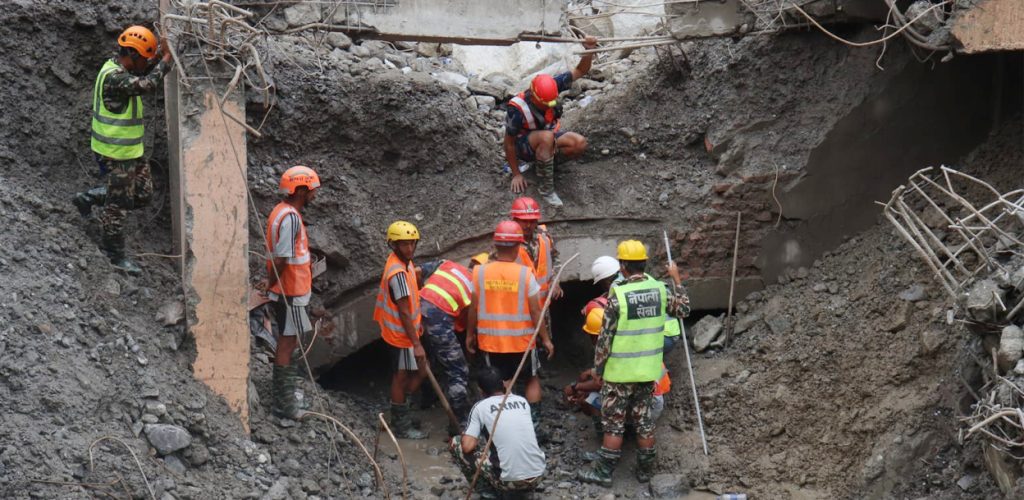
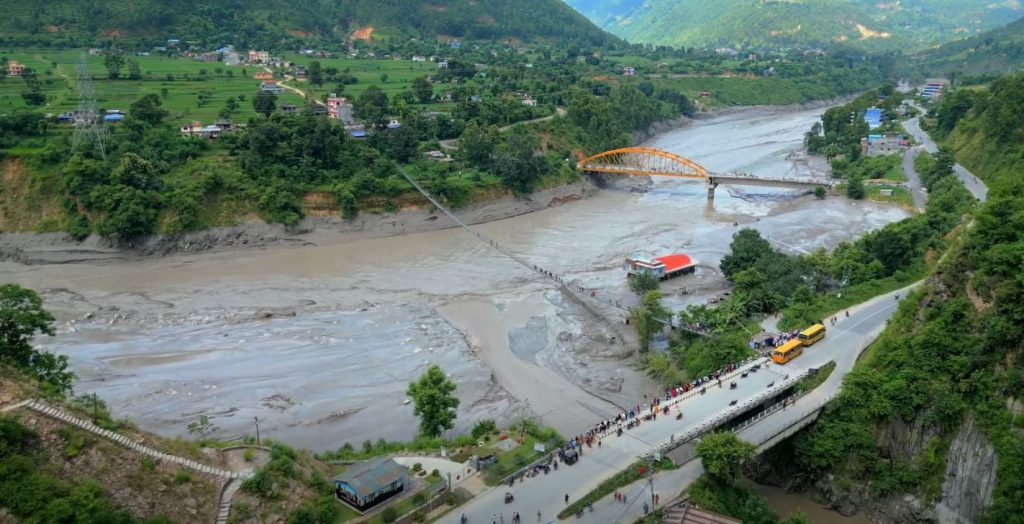
The scale of the flash floods along the Nepal-Tibet border is difficult to comprehend. Whole villages have been torn apart, dozens of bridges and roads have disappeared, more than 1,000 people have died and thousands remain unaccounted for. Hundreds of hydropower tunnel workers are also trapped.
The disaster has damaged far more than homes. Roads, bridges, power lines and river gauges have collapsed in the worst-affected districts, cutting off routes needed to deliver medical aid and supplies. Displaced families are looking for shelter, injured people need hospitals, and relatives wait for the identification of those who died.
Yet communities have not waited for formal systems to do everything. People whose homes survived, whose phones still work or who live outside the danger zone have become an immediate source of support for neighbours who lost everything. Stories are emerging of a teacher who saved hundreds of students after receiving several warnings about an approaching flood, and of upstream residents who alerted communities downstream.
Those experiences show how local networks can strengthen formal disaster-response systems. In Nepal, the guthi, a social support structure linked to religious sites, rituals and community welfare, can help organise assistance. Phone trees can also spread warnings quickly, with one person contacting several others.
These networks include women’s microfinance and cooperative groups as well as community forest user groups. Research into disaster recovery shows that communities, government agencies, not-for-profit organisations and businesses all have roles to play, but local people consistently carry much of the burden of rebuilding after catastrophe.
About this summary
Originally published by Kathmandu Post. Summarized and contextualized automatically by DistantNews, with a note on how the source frames the story. Not individually reviewed before publishing. How this works.
More Stories
From Our Blog

News in Translation: What Gets Lost, and How We Keep the Framing

Diaspora Media: How Communities Abroad Follow Home

Traveling Where the Press Is Not Free: How to Read the News There

The Digital Nomad's Guide to Local News

The Same Story, Different Countries: How Coverage Changes at the Border
