

Response to mis-characterizations concerning Mustafa Kemal Atatürk
Summarized and contextualized by DistantNews.
At a glance
News
Sources not specified
Context piece
- A Turkish ambassador refuted claims made by an Arab Times editor-in-chief regarding Mustafa Kemal Atatürk, the founder of the Turkish Republic.
- The ambassador stated that Atatürk is a respected statesman recognized by the UN and UNESCO, and that his reforms supported, rather than marginalized, Islam.
- The article highlights Atatürk's establishment of the Presidency of Religious Affairs and his commissioning of the first Turkish translation of the Quran to promote an enlightened populace.
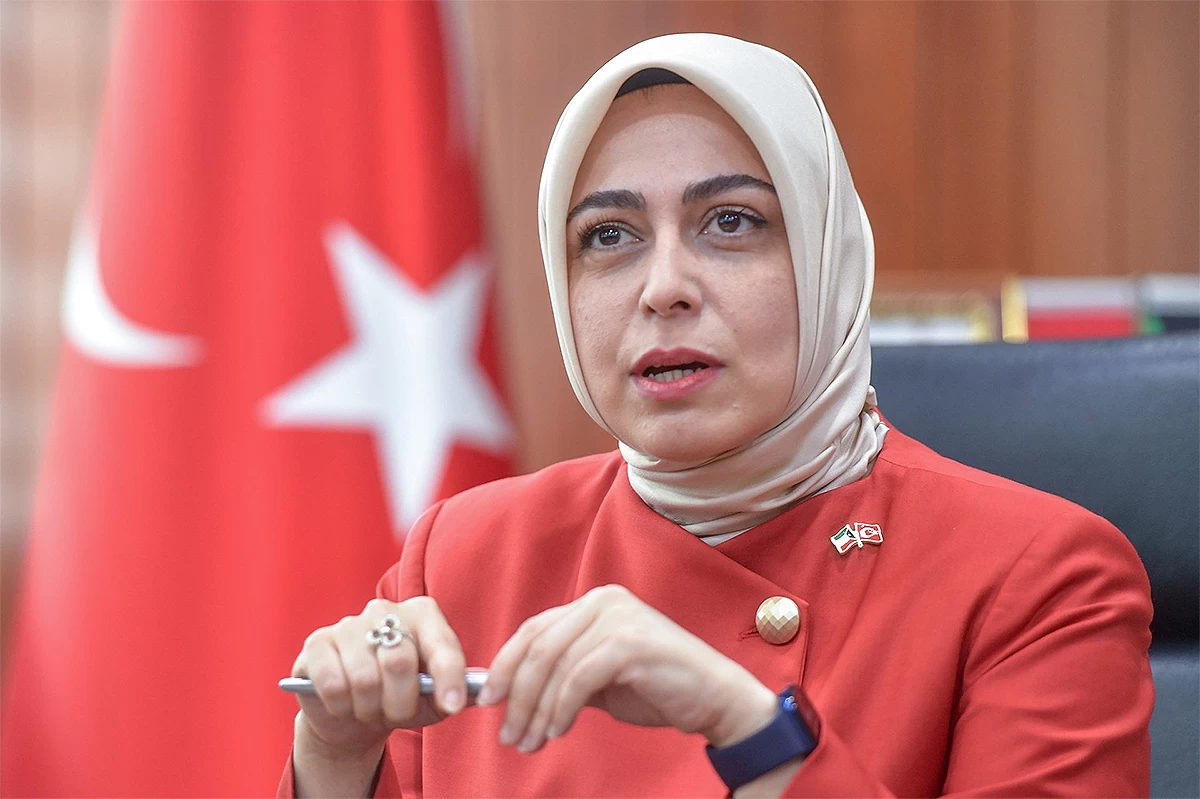
Turkish Ambassador to Kuwait Tûba Nur Sönmez has strongly refuted accusations made against Mustafa Kemal Atatürk, the founder of the Turkish Republic, by the editor-in-chief of Arab Times. In a statement, Sönmez asserted that Atatürk's legacy is historically sound and that he is a universally respected statesman.
The legacy of Atatürk stands firmly on its own historical merits. He is a universally respected statesman whose 100th birthday in 1981 was designated by the United Nations and UNESCO as the Atatürk Centennial worldwide, officially recognizing him as a pioneer in fostering peace, international understanding, and human rights.
Sönmez pointed to the United Nations and UNESCO designating 1981 as the Atatürk Centennial, recognizing him for fostering peace, international understanding, and human rights. She argued that characterizing Atatürk as anti-Islam contradicts historical facts, citing his establishment of the Presidency of Religious Affairs in 1924, which funded mosques and imams.
Our religion is the most reasonable and natural religion ... For a religion to be natural, it must agree with reason, science, knowledge, and logic.
The ambassador further explained that Atatürk commissioned and funded the first comprehensive Turkish translation and commentary of the Holy Qur'an. This initiative aimed to create an enlightened populace capable of understanding their faith intellectually and practicing it through conviction, not blind obedience. Sönmez concluded that Atatürk's reforms modernized Islam within a contemporary society, leaving a republic where citizens could be patriotic, intellectually free, scientifically advanced, and faithful simultaneously.
Atatürk’s reforms did not destroy Islam; they modernized its place within a contemporary society.
DistantNews Editorial
Originally published by Arab Times. Summarized and contextualized by our editorial team with added local perspective. Read our editorial standards.
More Stories

From Our Blog

What Gets Lost (and Found) When News Is Translated

The Critical Role of Diaspora Media in Global News

What Travellers Should Know About Countries with Restricted Press

A Digital Nomad's Guide to Following Local News

How the Same Story Looks Different in Different Countries
