


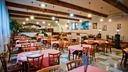
Restaurants introduce time limits for diners: New rules restrict your stay
Translated from Croatian, summarized and contextualized by DistantNews.
At a glance
News
Sources not specified
Context piece
- Restaurants are increasingly implementing time limits for table reservations, typically between 90 and 120 minutes.
- This practice is legally permissible if clearly communicated to guests before booking, according to German consumer protection groups.
- The trend is driven by business needs to maximize capacity and revenue, especially during peak hours, amidst rising costs and no-show issues.
Diners in Croatia may soon find their restaurant experiences timed, as establishments increasingly introduce limits on how long guests can occupy a table. Reservations are now often accompanied by a specific time slot, typically ranging from 90 to 120 minutes, rather than an open-ended booking.
According to interpretations by German consumer protection associations, this practice is legally sound, provided the time restrictions are clearly stated before a guest confirms their reservation. Guests then have the choice to accept these conditions or seek dining elsewhere. However, the legal standing in disputes, such as when a restaurant insists guests leave immediately after their allotted time, remains somewhat unclear in judicial practice.
A table in hospitality is actually a limited resource, and restaurants strive to maximize capacity utilization, especially in the evening hours when demand is highest.
The primary driver behind this shift is economic. Tables represent a finite resource in the hospitality industry, and restaurants aim to optimize their use, particularly during busy evening hours. A key performance indicator in the industry, RevPASH (Revenue Per Available Seat Hour), measures income per available seat per hour. This system helps restaurants manage guest flow and space more efficiently, especially as they grapple with rising operational costs, declining consumer spending, a surge in online bookings, and the persistent problem of no-shows.
restaurants are allowed to introduce time limits for staying at the table, but only if these rules are clearly stated before the guest confirms the reservation.
DistantNews Editorial
Originally published by Večernji List in Croatian. Translated, summarized, and contextualized by our editorial team with added local perspective. Read our editorial standards.
More Stories

Plant These Flowers and Turn Your Garden into a Paradise for Bees and Butterflies: Here's How to Att…
Rebellion Over New Apartments in Borovje: Residents Collect Signatures, Crying 'It's Our Last Meadow…

Plant hydrangeas and transform your garden into a summer fairytale: They are resilient and easy to m…
From Our Blog

What Gets Lost (and Found) When News Is Translated

The Critical Role of Diaspora Media in Global News

What Travellers Should Know About Countries with Restricted Press

A Digital Nomad's Guide to Following Local News

How the Same Story Looks Different in Different Countries
