

Resurrection at the Foot of A Tuong Hill
Translated from Vietnamese, summarized and contextualized by DistantNews.
At a glance
In-depth
Sources not specified
Outcome reported
- Six months after a devastating landslide at A Tuong mountain in Vietnam, life is returning to the resettled Atêếp village.
- The landslide in October 2025 forced the Cơ Tu ethnic minority to evacuate their homes, leaving behind cherished belongings and memories.
- Residents are rebuilding their lives in a new resettlement area, with new homes and the beginnings of agriculture, while the scarred mountain slowly heals.
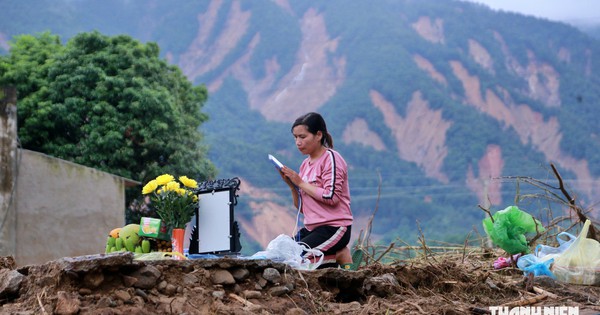
Six months after a catastrophic landslide at A Tuong mountain, the village of Atêếp in A Vuong commune, Da Nang city, is witnessing a gradual return to normalcy. The disaster, which occurred in late October 2025, left deep scars on the mountainside and indelible memories for the Cơ Tu ethnic minority, who raced against nature to survive.
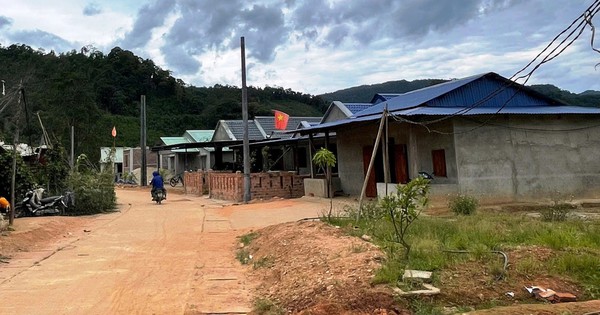
Life is slowly resuming in the A Têếp resettlement area. Clean concrete paths wind around new houses still smelling of fresh mortar, and newly planted vegetable patches show signs of life after the first rains. The sounds of chickens and children playing fill the air, a stark contrast to the fear and urgency of just over half a year ago when this area was a makeshift camp for those fleeing the disaster.
The memory of late October 2025 remains vivid for the residents. Heavy rains caused deep fissures to appear on A Tuong mountain. Initially small enough to fit a hand, these cracks widened daily, accompanied by terrifying cracking sounds from within the earth. Elders described it as the most frightening sign they had ever witnessed. Authorities assessed the high risk of further landslides, prompting the urgent relocation of villagers to a nearby planned resettlement site.
Earth and rocks poured down from above like a giant waterfall, sweeping away houses, trees, and everything that remained. In my entire life here, I have never seen such a large landslide.
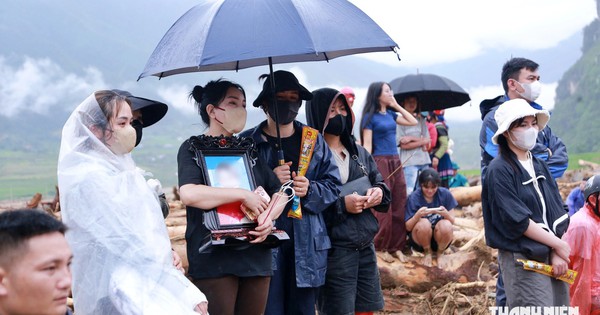
Leaving their ancestral homes was an agonizing decision for the Cơ Tu people. Homes are more than just shelters; they are repositories of family history, spiritual significance, and heirlooms like gongs and bronze pots passed down through generations. Some villagers managed to grab only a few clothes and identification documents, while others desperately tried to salvage antique gongs, precious jars, or generations-old cooking pots. They feared that anything left behind would be buried forever.
Elder Bling Tươm, 81, vividly recalls the morning of October 28, 2025. Even though the villagers were already in the temporary resettlement area, they heard deep explosions from A Tuong mountain. "Earth and rocks poured down from above like a giant waterfall, sweeping away houses, trees, and everything that remained. In my entire life here, I have never seen such a large landslide," he recounted. His wooden house, built over decades of farming, vanished, taking with it ancestral gongs and priceless heirlooms. "I regret it deeply. A house can be rebuilt. As long as people are alive, there is wealth. It's just the treasures of my ancestors that are lost."
I regret it deeply. A house can be rebuilt. As long as people are alive, there is wealth. It's just the treasures of my ancestors that are lost.
DistantNews Editorial
Originally published by Thanh Niên in Vietnamese. Translated, summarized, and contextualized by our editorial team with added local perspective. Read our editorial standards.
More Stories
From Our Blog

What Gets Lost (and Found) When News Is Translated

The Critical Role of Diaspora Media in Global News

What Travellers Should Know About Countries with Restricted Press

A Digital Nomad's Guide to Following Local News

How the Same Story Looks Different in Different Countries
