

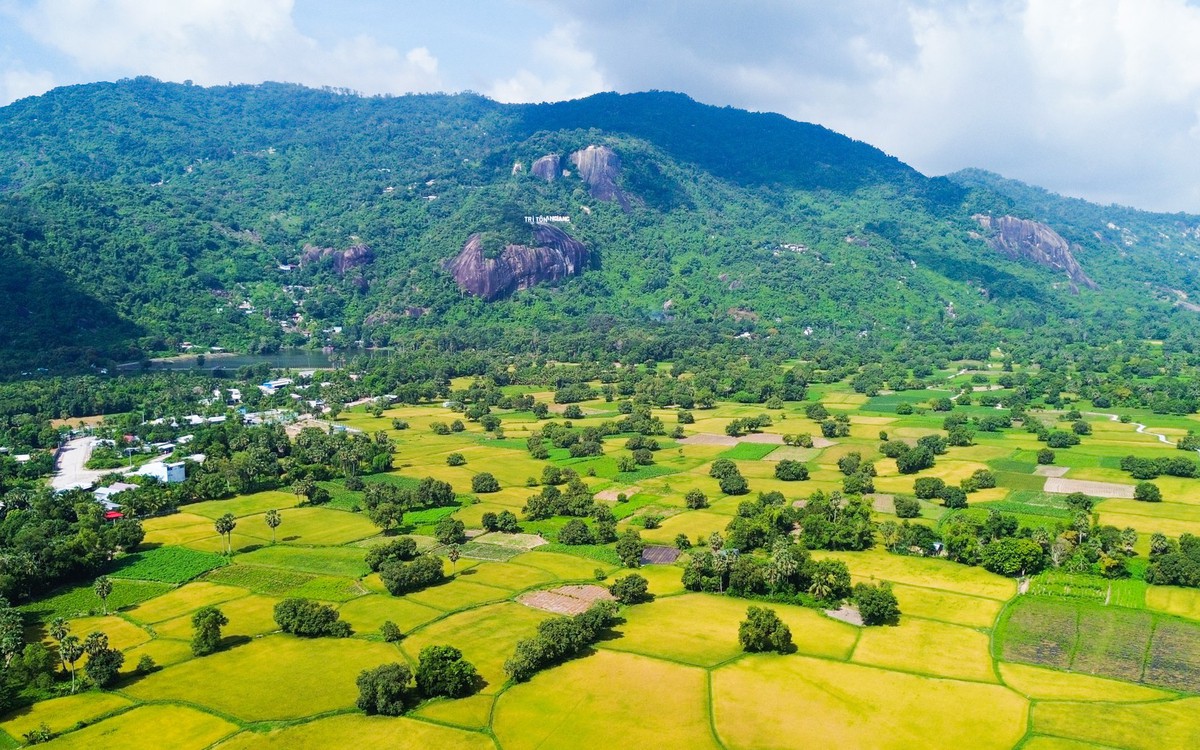

Northern Vietnam Faces Flood and Landslide Risk After Heavy Rains
Translated from Vietnamese and summarized by DistantNews. Read the original for the full story.
At a glance
News
Official statement
Ongoing story
- Heavy rainfall in Vietnam's northern mountainous provinces has raised the risk of flash floods and landslides.
- Specific communes in Lai Châu, Sơn La, Lào Cai, Tuyên Quang, and Cao Bằng are identified as high-risk areas.
- Residents are urged to be vigilant against extreme rainfall, which could cause localized flooding and landslips.
Northern Vietnam is facing a heightened risk of flash floods and landslides following a day and night of heavy rainfall, according to the National Center for Hydro-Meteorological Forecasting. The center issued a warning for numerous communes across five northern mountainous provinces.
From early morning on July 19 to early morning on July 20, areas in Lai Châu, Lào Cai, Tuyên Quang, and Cao Bằng experienced significant rainfall. Lai Châu recorded 65.2 mm in Pu Sam Cáp, Lào Cai saw 95.8 mm in Xuân Thượng, Tuyên Quang had 125.2 mm in Thượng Sơn, and Cao Bằng registered 92 mm in Vĩnh Quang. Sơn La also experienced heavy to very heavy rain in the early hours of July 20, with Ngọc Chiến receiving 48.8 mm between midnight and 3 a.m.
Soil moisture models indicate that some areas in these provinces are already saturated, with moisture levels exceeding 85% or reaching full saturation. The forecast for July 20 predicts continued rain in these regions, with accumulated rainfall ranging from 10 to 30 mm, and over 60 mm in some locations.
The National Center for Hydro-Meteorological Forecasting warned that many communes in Lai Châu, Sơn La, Lào Cai, Tuyên Quang, and Cao Bằng are at risk of flash floods on small rivers and streams, as well as landslides on steep slopes. Specific communes in each province have been identified as particularly vulnerable. For instance, in Lai Châu, communes like Bum Nưa, Hua Bum, and Mù Cả are at risk, while in Sơn La, Chiềng Hoa and Chiềng Lao are among those listed. The forecast suggests that heavy rainfall will gradually decrease from July 21 onwards.
About this summary
Originally published by Thanh Niên in Vietnamese. Translated, summarized, and contextualized automatically by DistantNews, with a note on how the source frames the story. Not individually reviewed before publishing. How this works.
More Stories



From Our Blog

News in Translation: What Gets Lost, and How We Keep the Framing

Diaspora Media: How Communities Abroad Follow Home

Traveling Where the Press Is Not Free: How to Read the News There

The Digital Nomad's Guide to Local News

The Same Story, Different Countries: How Coverage Changes at the Border
