

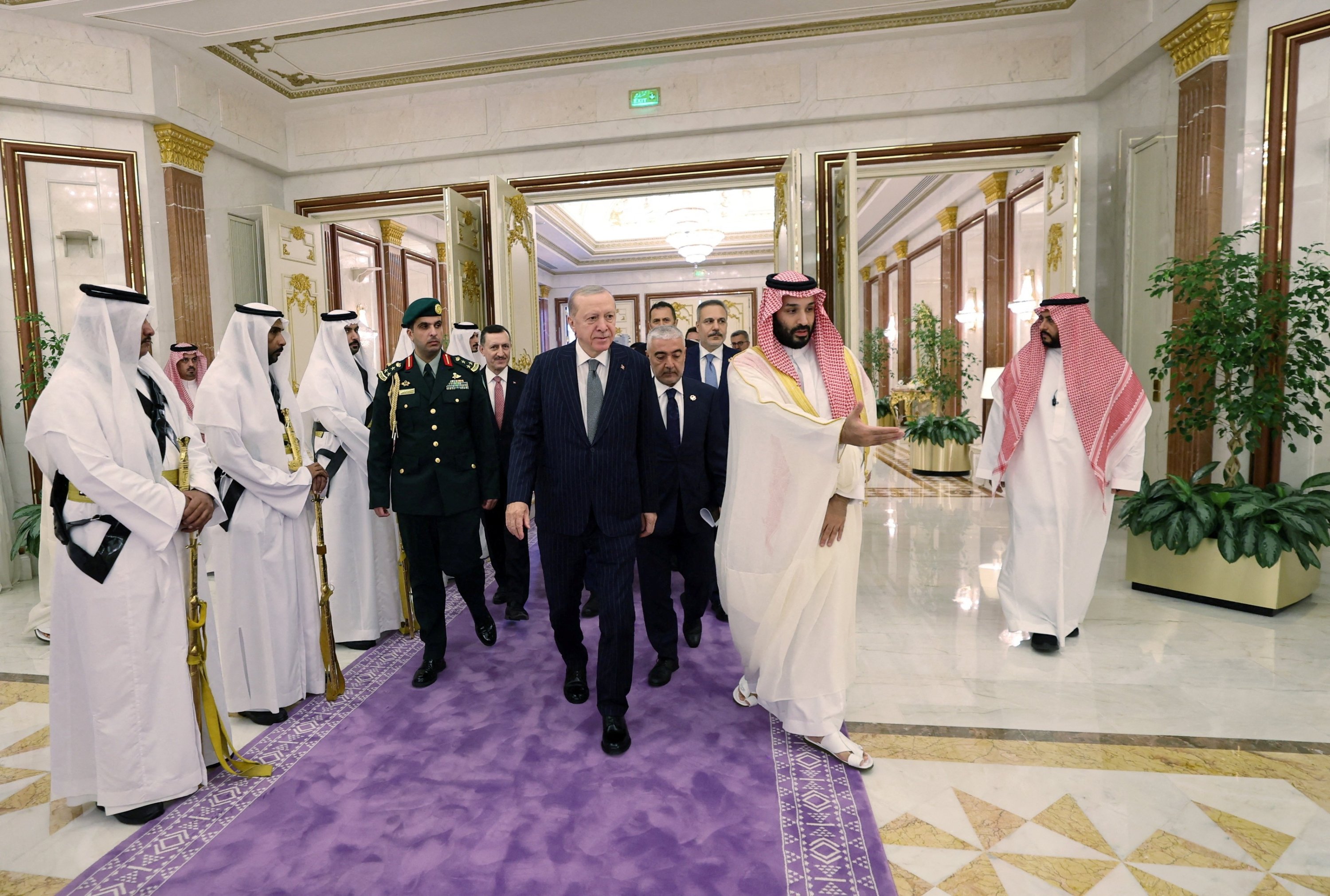
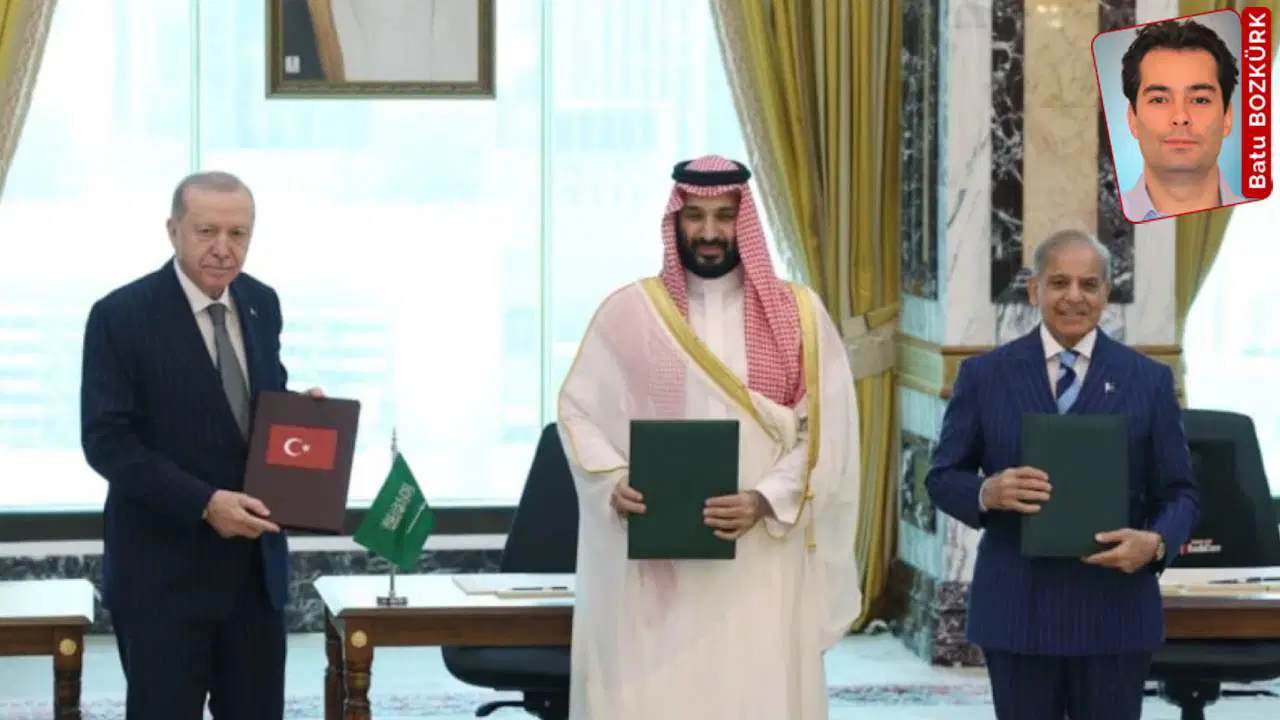
Retired Ambassador Rende Worries Turkey May Drift From West Over New Defense Pact
Translated from Turkish, summarized and contextualized by DistantNews.
At a glance
News
Named sources
Context piece
- Retired Ambassador Mithat Rende expressed concern about Turkey potentially distancing itself from the West due to a new defense pact.
- Rende suggested the pact appears to be a U.S.-driven agreement aimed at Iran, and he questioned the details of a NATO-like clause.
- He cautioned against labeling the pact an "Islamic NATO," emphasizing his worry about Turkey's alignment.
Retired Ambassador Mithat Rende voiced significant apprehension regarding Turkey's recent involvement in a trilateral defense pact, fearing it could lead to a detachment from Western alliances. Rende shared his views in an interview with Cumhuriyet, suggesting the agreement seems to be a U.S. initiative primarily targeting Iran.
What is apparent is that this is a defense agreement desired by the U.S., seemingly directed against Iran.
"What is apparent is that this is a defense agreement desired by the U.S., seemingly directed against Iran," Rende stated. He highlighted the need for clarity on the specifics of a clause within the pact that reportedly resembles NATO's structure. Rende expressed reservations about characterizing the pact as an "Islamic NATO," a term he finds inaccurate and potentially misleading.
I carry the concern that Turkey might drift away from the West.
His primary concern revolves around Turkey's geopolitical orientation. "I carry the concern that Turkey might drift away from the West," Rende remarked, underscoring the potential strategic implications of this new defense alignment. The ambassador's comments reflect a cautious perspective on the pact's long-term consequences for Turkey's foreign policy and its relationships with traditional Western partners.
I do not find the expression 'Islamic NATO' accurate.
DistantNews Editorial
Originally published by Cumhuriyet in Turkish. Translated, summarized, and contextualized by our editorial team with added local perspective. Read our editorial standards.
More Stories
From Our Blog

What Gets Lost (and Found) When News Is Translated

The Critical Role of Diaspora Media in Global News

What Travellers Should Know About Countries with Restricted Press

A Digital Nomad's Guide to Following Local News

How the Same Story Looks Different in Different Countries
