


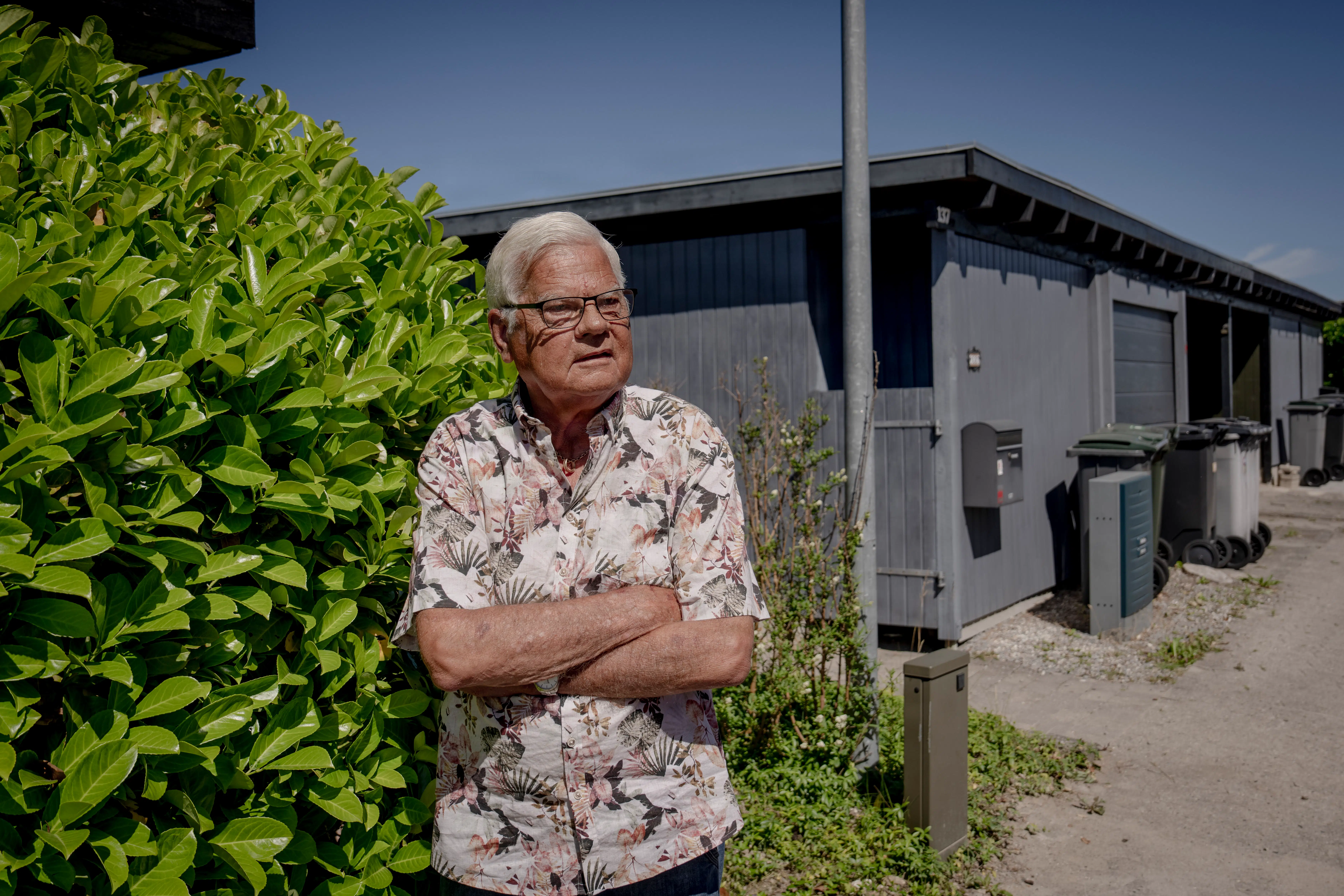
Retired auditor finds mysterious property valuation difference affecting terraced houses, experts agree
Translated from Danish, summarized and contextualized by DistantNews.
At a glance
News
Sources not specified
Context piece
- A retired auditor discovered a discrepancy in property valuations, particularly affecting terraced houses.
- Experts support the auditor's criticism, questioning the valuation authority's assessment of land value based on house type.
- The issue centers on whether land is valued differently if a terraced house stands on it compared to a standard house.
A retired auditor has identified a puzzling difference in property valuations, with experts suggesting that terraced houses are disproportionately affected. Leif Vanting, a resident of Skovlunde, noticed inconsistencies in the land values in his neighborhood and questioned the assessment methods used by the Valuation Authority.
The core of the dispute lies in how the authority determines land value. Vanting and several other experts argue that the land's value should not increase simply because a terraced house, as opposed to a regular house, is situated on it. This challenges the Valuation Authority's stance that such distinctions are valid.
This discovery raises concerns about the fairness and accuracy of property assessments. The involvement of experts backing Vanting's critique suggests a potential systemic issue within the valuation process, impacting homeowners and potentially leading to incorrect tax assessments. The situation highlights the complexity of property valuation and the importance of transparent and accurate methodologies.
Is a plot worth more because there is a terraced house on it instead of a regular house? Yes, believes the Valuation Authority. No, believes Leif Vanting, who lives in Skovlunde and wonders about the land values in his neighborhood.
DistantNews Editorial
Originally published by Berlingske in Danish. Translated, summarized, and contextualized by our editorial team with added local perspective. Read our editorial standards.
More Stories


From Our Blog

What Gets Lost (and Found) When News Is Translated

The Critical Role of Diaspora Media in Global News

What Travellers Should Know About Countries with Restricted Press

A Digital Nomad's Guide to Following Local News

How the Same Story Looks Different in Different Countries
