


Reusable Containers Tracked by QR Code Recovered at 97% Rate Amidst Baseball Waste Surge
Translated from Korean, summarized and contextualized by DistantNews.
At a glance
News
Sources not specified
Context piece
- Baseball stadiums generated over 3,400 tons of waste last year, a 66.2% increase from two years prior.
- Over 6.2 million disposable cups and containers were used, with actual disposable waste likely higher.
- To combat this, baseball teams and local governments are expanding the use of reusable containers, implementing QR codes for tracking.
South Korea's professional baseball league is grappling with a surge in waste, with stadiums producing more than 3,400 tons of trash last year. This represents a significant 66.2% increase compared to two years ago, far outpacing the 52.3% rise in attendance during the same period. The sheer volume of single-use items is staggering, with over 6.2 million disposable cups and containers used in stadiums last year alone. When factoring in food packaging brought from outside, the actual amount of disposable waste is presumed to be even higher.
In response, professional baseball teams and local governments are intensifying efforts to reduce disposable waste by promoting reusable containers. Last year, Seoul's Jamsil Baseball Stadium introduced 440,000 reusable containers, followed by Incheon's SSG Landers Field with 260,000 and Suwon KT Wiz Park with 150,000. Gocheok Sky Dome and Gwangju Kia Champions Field also adopted tens of thousands of reusable options.
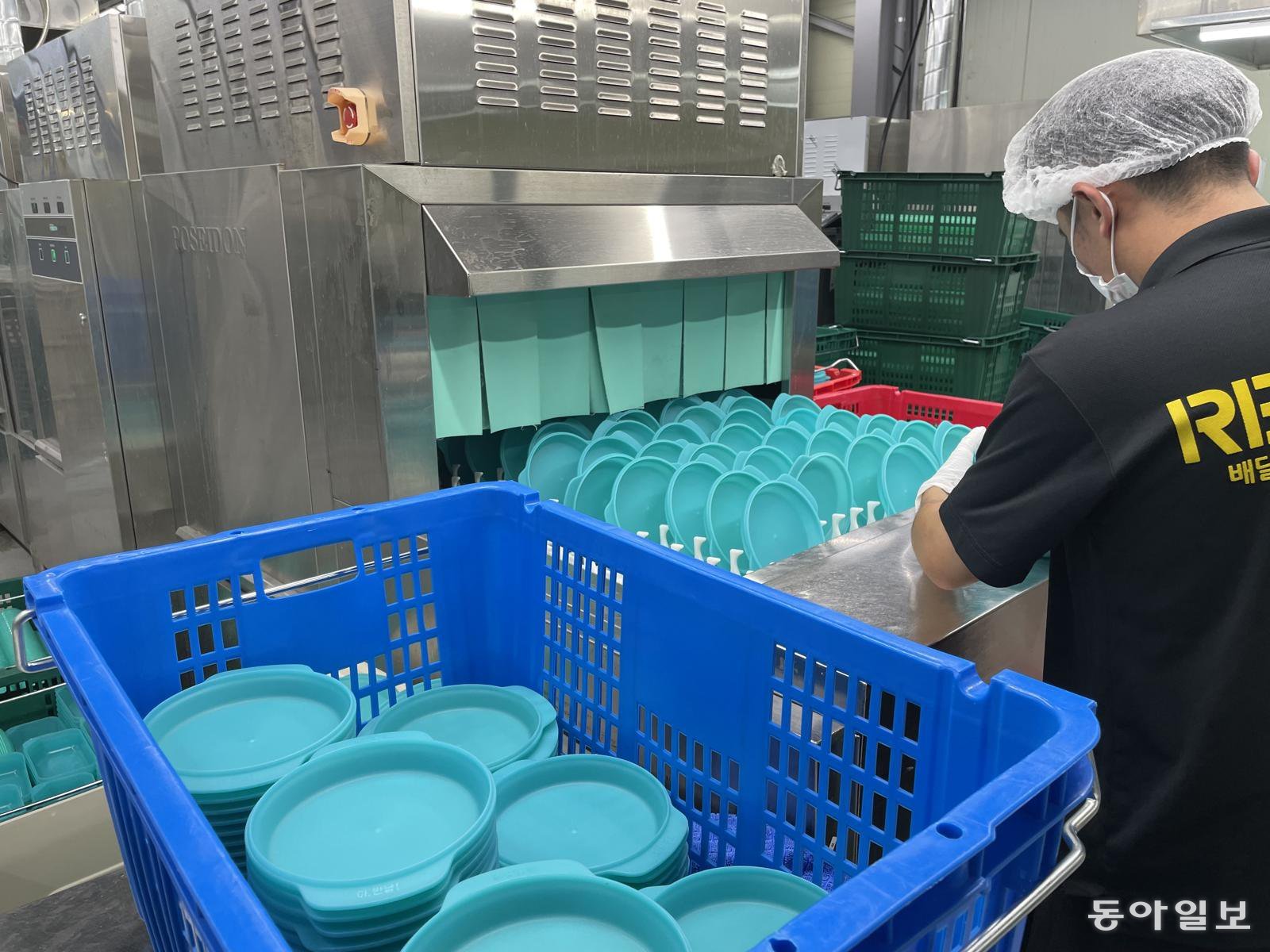
However, simply providing reusable containers is not enough to curb waste effectively. Challenges remain in the collection, washing, and inspection processes required to ensure their successful reuse. To address this, stadiums are now implementing tracking systems, such as QR codes, on reusable containers. This allows for precise monitoring of their return rate, aiming to recover approximately 97% of the distributed containers, even from trash cans. This initiative seeks to create a more sustainable environment within the baseball venues.
DistantNews Editorial
Originally published by Dong-A Ilbo in Korean. Translated, summarized, and contextualized by our editorial team with added local perspective. Read our editorial standards.
More Stories



From Our Blog

What Gets Lost (and Found) When News Is Translated

The Critical Role of Diaspora Media in Global News

What Travellers Should Know About Countries with Restricted Press

A Digital Nomad's Guide to Following Local News

How the Same Story Looks Different in Different Countries
