

'Revolución Diamantina,' ballet inspired by feminist marches, premieres at Bellas Artes
Translated from Spanish, summarized and contextualized by DistantNews.
At a glance
News
Sources not specified
New plan
- The ballet "Revolución Diamantina," inspired by feminist marches, premiered at the Palacio de Bellas Artes in Mexico City.
- The work, set to music by Grammy-winning composer Gabriela Ortiz, features choreography by Claudia Lavista, Lola Lince, and Melva Olivas.
- The performance incorporates feminist slogans and references, including a nod to the "Un violador en tu camino" performance, and culminates in a representation of a march.
The ballet "Revolución Diamantina," a powerful work inspired by feminist marches, premiered at Mexico City's iconic Palacio de Bellas Artes. Set to the acclaimed composition by Gabriela Ortiz, which earned her a Grammy, the ballet features choreography from Claudia Lavista, Lola Lince, and Melva Olivas.
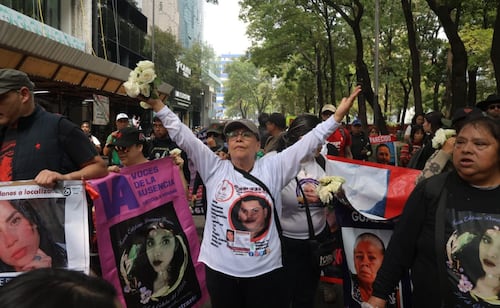
The performance draws inspiration from feminist movements, particularly the 2019 "Marcha de la brillantina" (Glitter March) in Mexico City. It opened with Ortiz's vibrant piece "Kauyumari," captivating the audience. The dancers of the Centro de Producción de Danza Contemporánea (CEPRODAC) then took the stage, embodying the struggles women face under patriarchy, symbolized by heavy bundles carried with great weight.
In stark contrast to the initial somber imagery, other dancers moved with uninhibited freedom. A particularly poignant moment saw a woman on a small bed, enveloped in intense red fabric, while the chorus chanted "El violador eres tú" (The rapist is you), referencing the impactful "Un violador en tu camino" performance by Chilean collective LASTESIS.
The ballet continued to weave in powerful feminist slogans such as "Con ropa o sin ropa, mi cuerpo no se toca" (With clothes or without clothes, my body is not to be touched) and "Ni una menos" (Not one less). These declarations resonated through the main hall before the dancers erupted into an energetic finale, shedding layers of clothing in a dance of liberation.
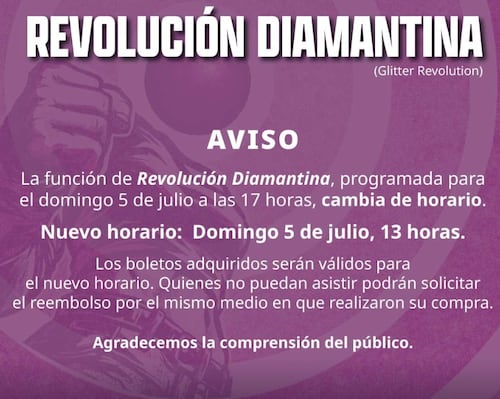
The performance concluded with the backdrop lifting to reveal a diverse crowd representing a march. Bundles of fabric reappeared, only to be overcome by a young girl who climbed over them, symbolizing hope and progress. The second performance was rescheduled to accommodate a soccer match, with ticket holders offered refunds if unable to attend the new time.
DistantNews Editorial
Originally published by El Universal in Spanish. Translated, summarized, and contextualized by our editorial team with added local perspective. Read our editorial standards.
More Stories


From Our Blog

What Press Freedom Means for the News You Read

What Gets Lost (and Found) When News Is Translated

The Critical Role of Diaspora Media in Global News

What Travellers Should Know About Countries with Restricted Press

A Digital Nomad's Guide to Following Local News
