


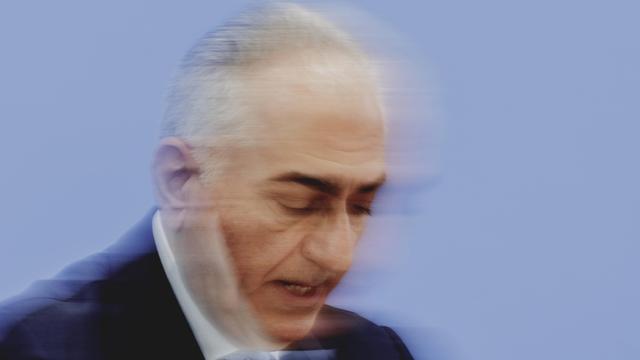
Reza Pahlavi: 'You Ask Too Many Questions' on Airstrikes
Translated from German, summarized and contextualized by DistantNews.
TLDR
- Reza Pahlavi stated that US and Israeli airstrikes on Iran were necessary to target the regime's apparatus and protect Iranians.
- He refused to apologize for civilian casualties, referring to them as "collateral damage."
- Pahlavi interrupted a reporter, stating, "You ask too many questions."
Reza Pahlavi, the son of Iran's last Shah, has broken his silence on the recent airstrikes targeting his homeland, asserting with unyielding conviction that the actions by the United States and Israel were not only justified but necessary. Speaking at a press conference in Berlin, Pahlavi framed the strikes as a direct blow against the oppressive machinery of the Iranian regime and its infrastructure, arguing they were essential to shield the Iranian people from the regime's brutality.
They targeted the regime's apparatus, but also the country's infrastructure. They were meant to protect the Iranians, 'who were massacred defenselessly on the streets,' from the Iranian regime.
"We will not apologize for this," Pahlavi declared, responding to questions about responsibility for civilian casualties. He unequivocally labeled any loss of life among non-combatants as "collateral damage," a stark acknowledgment of the grim realities of conflict, yet one delivered without apparent remorse. This stance underscores his unwavering commitment to challenging the current Iranian government, even at the cost of acknowledging potential harm to the very population he claims to want to liberate.
We will not apologize for this.
Pahlavi's appearance was marked by a notable assertiveness, even bordering on dismissiveness, when confronted with probing questions. When a reporter attempted to follow up on the issue of civilian casualties, Pahlavi cut her off, stating curtly, "You ask too many questions." This response suggests a reluctance to delve deeper into the complexities or potential criticisms surrounding the airstrikes, preferring instead to maintain a firm, unwavering narrative.
I regret everyone who fell into 'collateral damage'.
From the perspective of many inside Iran and its diaspora, Pahlavi's statements represent a controversial but perhaps unsurprising position. While some may see his alignment with external military actions as a necessary evil in the fight against the theocracy, others view it with deep skepticism, questioning the wisdom and morality of endorsing foreign intervention. His willingness to dismiss critical inquiry also raises concerns about transparency and accountability, elements crucial for any leader seeking to inspire genuine change and trust.
You ask too many questions.
DistantNews Editorial
Originally published by Die Zeit in German. Translated, summarized, and contextualized by our editorial team with added local perspective. Read our editorial standards.
More Stories



From Our Blog

What Gets Lost (and Found) When News Is Translated

How the Same Story Looks Different in Different Countries

The Critical Role of Diaspora Media in Global News

What Travellers Should Know About Countries with Restricted Press

A Digital Nomad's Guide to Following Local News
