

Rheinmetall CEO Calls for Global Rules on AI Weapons
Translated from German, summarized and contextualized by DistantNews.
At a glance
News
From a news agency
New plan
- Rheinmetall CEO Armin Papperger is calling for global regulations on the use of AI-powered weapons, comparing the need to rules for nuclear weapons.
- Papperger stated that while technologically possible, Rheinmetall and its NATO clients do not allow AI to make the final decision on lethal force.
- He emphasized that globally agreed-upon rules are crucial to prevent potential conflicts arising from differing AI weapon deployment strategies.
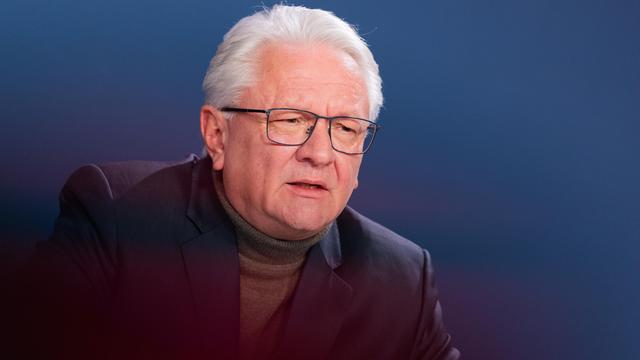
Armin Papperger, the CEO of German defense contractor Rheinmetall, is advocating for international regulations governing the deployment of artificial intelligence in weaponry. Speaking at the Eurosatory defense exhibition in Paris, Papperger drew parallels between the potential risks of AI weapons and those associated with nuclear arms, stressing the need for clearly defined global boundaries.
We must prescribe rules, similar to nuclear weapons – where you say, here are the boundaries.
Papperger asserted that while the technology exists to allow AI to make autonomous decisions regarding the use of lethal force, Rheinmetall and its NATO clients consciously refrain from developing or utilizing such systems. He described this as Rheinmetall's "ethical approach as a company," highlighting their commitment to human oversight in critical decisions.
However, Papperger raised concerns about the complexities that could arise in future conflicts if opposing forces adopt different approaches to AI weapon systems. He warned that a situation where one side grants AI "the final decision" while the other does not could lead to unpredictable escalations. Therefore, he underscored the importance of establishing universally accepted rules to mitigate such risks.
Technologically, it would be possible today to leave the decision on the use of force or the shot to the AI. However, Rheinmetall and its NATO customers do not want to do that.
Rheinmetall, a major European defense manufacturer, produces a wide range of military equipment. The company's stance, as articulated by Papperger, reflects a growing debate within the defense industry and international community about the ethical and strategic implications of increasingly autonomous weapon systems.
It becomes 'difficult' if, in a conflict, an enemy army acts differently and leaves the 'final decision' to artificial intelligence.
DistantNews Editorial
Originally published by Die Zeit in German. Translated, summarized, and contextualized by our editorial team with added local perspective. Read our editorial standards.
More Stories


From Our Blog

What Gets Lost (and Found) When News Is Translated

How the Same Story Looks Different in Different Countries

The Critical Role of Diaspora Media in Global News

What Travellers Should Know About Countries with Restricted Press

A Digital Nomad's Guide to Following Local News
