

Richard Nixon's farewell advice on dealing with haters
Translated from English, summarized and contextualized by DistantNews.
At a glance
In-depth
Sources not specified
Context piece
- Former US President Richard Nixon's farewell speech included advice on dealing with hatred: "Always remember, others may hate you, but those who hate you don't win unless you hate them, and then you destroy yourself."
- The quote reflects Nixon's personal experience with intense public hostility and his political comeback after significant defeats.
- Despite significant foreign policy achievements and domestic reforms, Nixon remained deeply suspicious of perceived enemies, a sentiment that shaped his presidency.
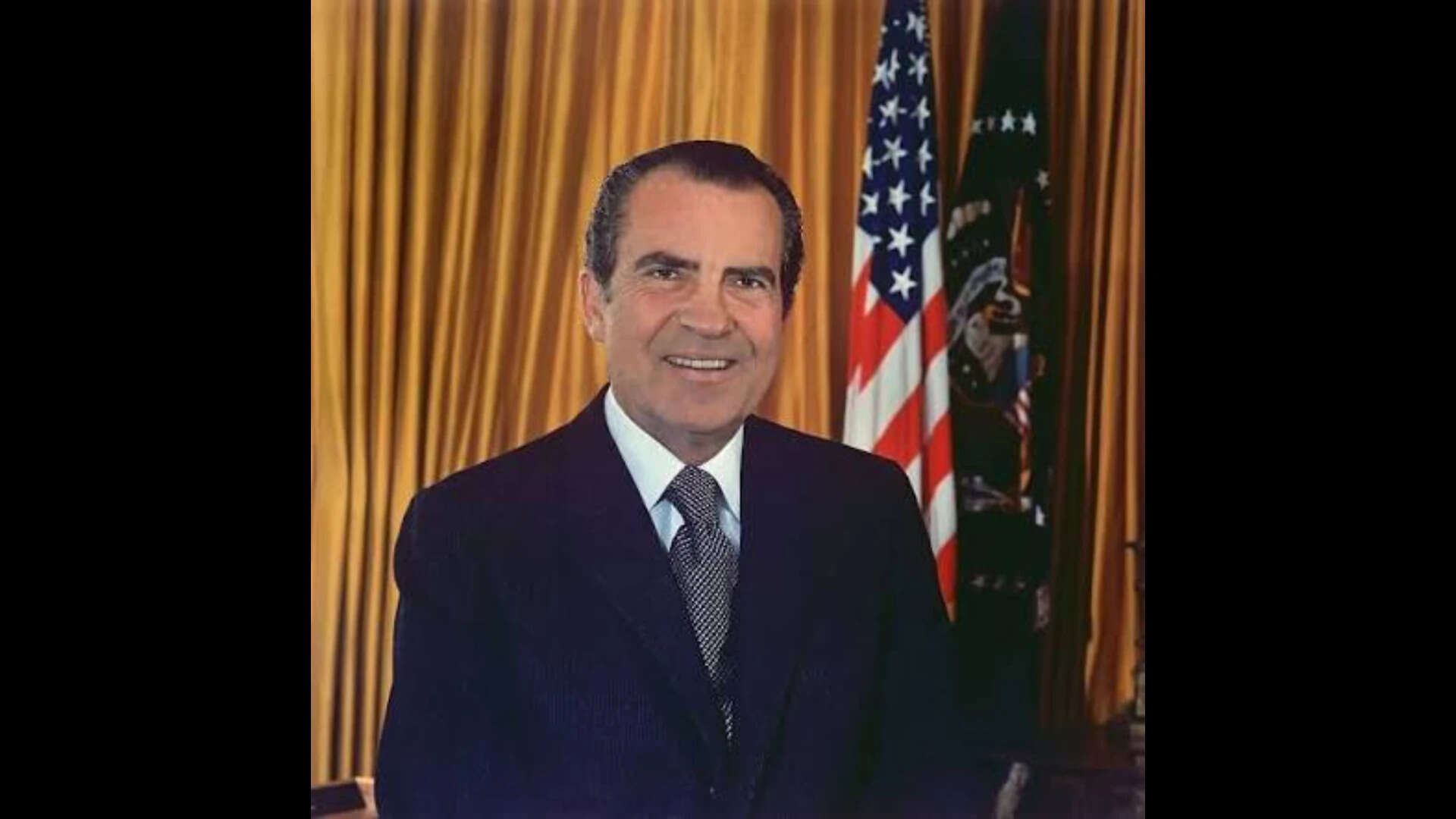
In his farewell address to White House staff on August 9, 1974, shortly after resigning due to scandals, former U.S. President Richard Nixon offered a piece of advice that has resonated with historians: "Always remember, others may hate you, but those who hate you don't win unless you hate them, and then you destroy yourself."
This poignant quote, delivered amidst the fallout of his presidency, carries a profound irony given Nixon's own turbulent political life. Few American presidents faced as much public animosity, and few allowed resentment to dictate their decisions as deeply as Nixon. His career had been marked by significant setbacks, including a loss to John F. Kennedy in the 1960 presidential election and a failed bid for California governor in 1962, after which he famously told reporters, "You won't have Nixon to kick around anymore."
Always remember, others may hate you, but those who hate you don't win unless you hate them, and then you destroy yourself.
Yet, Nixon achieved a remarkable political comeback, appealing to the "silent majority" to win the presidency in 1968. His administration was responsible for groundbreaking foreign policy shifts, including opening diplomatic relations with China and pursuing détente with the Soviet Union. Domestically, his tenure saw the establishment of the Environmental Protection Agency and significant healthcare reforms.
Despite these achievements, Nixon harbored a deep-seated belief that he was surrounded by powerful enemies. He often felt unfairly targeted by the media and determinedly opposed by political adversaries. While some of these grievances had a basis in his polarizing nature, they evolved into a pervasive sense of suspicion and defensiveness. The line between acknowledging opposition and becoming consumed by it blurred, making his farewell advice particularly significant as a reflection of his own struggles.
You won't have Nixon to kick around anymore.
DistantNews Editorial
Originally published by Times of India in English. Translated, summarized, and contextualized by our editorial team with added local perspective. Read our editorial standards.
More Stories



From Our Blog

What Press Freedom Means for the News You Read

What Gets Lost (and Found) When News Is Translated

The Critical Role of Diaspora Media in Global News

What Travellers Should Know About Countries with Restricted Press

A Digital Nomad's Guide to Following Local News
