


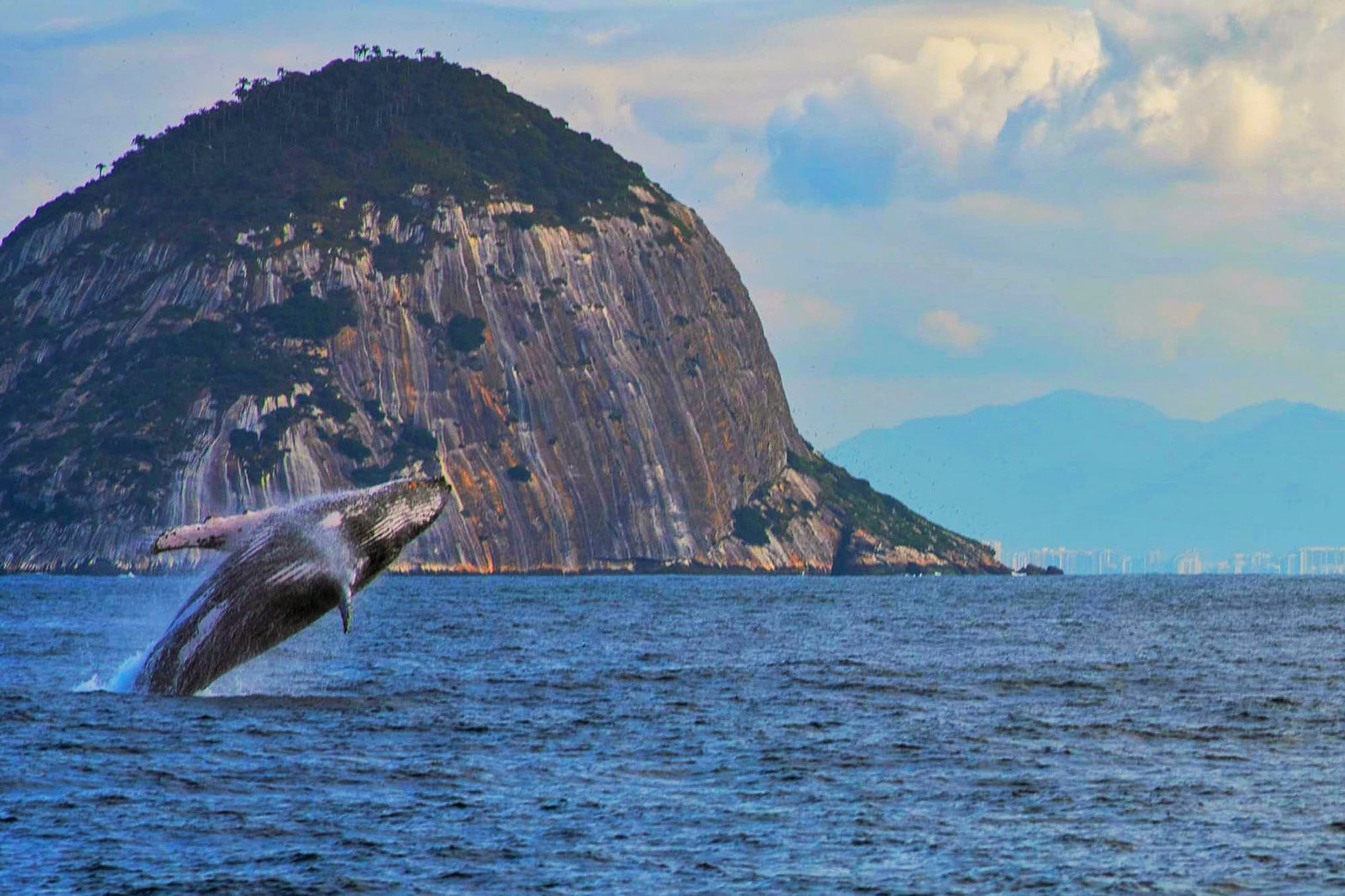
Rio de Janeiro: The unexpected winter attraction on the city's coasts
Translated from Spanish, summarized and contextualized by DistantNews.
At a glance
In-depth
Sources not specified
Context piece
- Rio de Janeiro's coast has become an unexpected winter attraction due to the seasonal migration of humpback whales.
- Between June and August, these marine giants can be spotted along the coast as they migrate from Antarctic waters to warmer Brazilian waters to breed and give birth.
- The recovery of the humpback whale population, which was once near extinction, is a significant conservation success story, with numbers now estimated to exceed 35,000 along the Brazilian coast.
Rio de Janeiro, typically known for its sun-drenched beaches, vibrant football culture, and iconic carnival, is now offering a different kind of allure: the chance to witness humpback whales. During the winter months, from June to August, the city's coastline transforms into a prime location for whale watching.
These majestic marine mammals undertake a seasonal migration from the cold waters near Antarctica towards the warmer Brazilian coast. This journey is crucial for their reproduction, as they come to these areas to breed, give birth, and nurse their young. Hundreds of whales pass along Brazil's coast, with many heading towards the Abrolhos archipelago in Bahia, before beginning their return journey south in September.
Humpback whales, distinct from the Southern Right whales found in other parts of South America, are more slender, possess very long pectoral fins, and are renowned for their acrobatic breaches. They can reach lengths of up to 18 meters. A few decades ago, these whales were on the brink of extinction, making sightings in Rio a rare occurrence. Today, however, the chances of spotting them on a boat trip near the coast are high.
The recovery of the humpback whale population is a remarkable conservation success. Following a global ban on whaling in 1986, their numbers have significantly increased. It is now estimated that over 35,000 humpback whales migrate along the Brazilian coast annually. Historical accounts from early European explorers even described Guanabara Bay as teeming with cetaceans, a stark contrast to their near-extinction status in the late 20th century. Popular spots for viewing include Praia Vermelha and Praia de São Conrado.
DistantNews Editorial
Originally published by La Nación in Spanish. Translated, summarized, and contextualized by our editorial team with added local perspective. Read our editorial standards.
More Stories



From Our Blog

What Gets Lost (and Found) When News Is Translated

The Critical Role of Diaspora Media in Global News

What Travellers Should Know About Countries with Restricted Press

A Digital Nomad's Guide to Following Local News

How the Same Story Looks Different in Different Countries
