


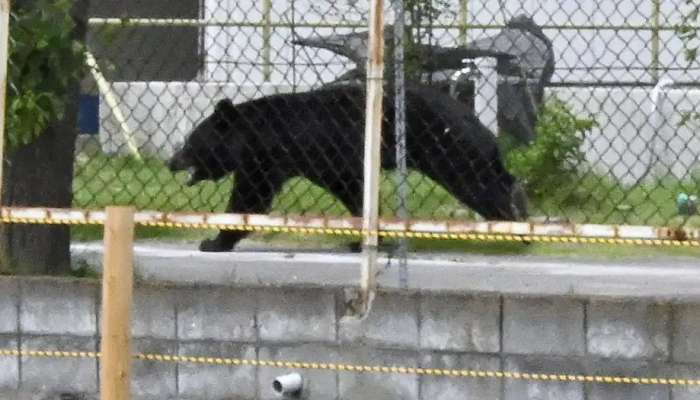
Rising Bear Attacks in Japan Spark Public Safety Concerns
Translated from English, summarized and contextualized by DistantNews.
At a glance
News
Sources not specified
Context piece
- Bear attacks in Japan are increasing, with a record number of injuries and fatalities reported.
- Factors contributing to the rise include habitat loss and bears venturing into human-populated areas.
- Experts believe the trend is likely to continue, posing a significant threat to public safety.
Jeff Kingston, an American academic living in rural Gunma Prefecture, Japan, narrowly escaped a bear attack in 2014, an incident that left him with lasting scars on his forehead, arms, and shoulders. He credits his dogs with saving his life during the encounter. Kingston, who has had numerous bear encounters, believes the rising trend of human-bear conflicts in Japan is set to continue, potentially with fatal consequences.
I guess I've encountered bears around 100 times in the mountains and been charged around 15 times. And I think they are changing. They seem ornerier and hungrier than before.
"I guess I've encountered bears around 100 times in the mountains and been charged around 15 times," Kingston told DW. "And I think they are changing. They seem ornerier and hungrier than before." He recounted how a bear knocked him into the underbrush during the 2014 attack, only ceasing its assault when his dogs intervened. Despite the harrowing experience, he later fought off another bear with repellent spray in 2015.
Official data corroborates these concerns. Japan's 2026 environment white paper indicates that bears pose a "serious threat to public safety and peace." In the fiscal year ending March 31, over 50,000 bear sightings were recorded, resulting in 238 injuries and 13 deaths. This year, by April 1, 25 people had already been injured and four confirmed dead, suggesting the previous record may be surpassed. Sightings are no longer confined to remote areas, with a bear recently filmed in a shopping arcade in Utsunomiya and another attack injuring four people in Fukushima.
bears have become "a serious threat to public safety and peace."
Naturalist Kevin Short attributes the increase to multiple factors, including the loss of traditional bear feeding grounds. "If the bears cannot access enough beech nuts or acorns, then they are going to extend their range into the farmland and paddy fields closer to villages and towns," Short explained. "And they are finding apple and persimmon trees." This encroachment into human-adjacent areas heightens the risk of dangerous encounters.
If the bears cannot access enough beech nuts or acorns, then they are going to extend their range into the farmland and paddy fields closer to villages and towns. And they are finding apple and persimmon trees.
DistantNews Editorial
Originally published by Times of Oman in English. Translated, summarized, and contextualized by our editorial team with added local perspective. Read our editorial standards.
More Stories


From Our Blog

What Gets Lost (and Found) When News Is Translated

The Critical Role of Diaspora Media in Global News

What Travellers Should Know About Countries with Restricted Press

A Digital Nomad's Guide to Following Local News

How the Same Story Looks Different in Different Countries
