

Rising energy prices push Germany’s inflation rate to 2.9%
Translated from German and summarized by DistantNews. Read the original for the full story.
At a glance
Newswire
From a news agency
Ongoing story
- Germany’s annual inflation rate rose to 2.9% in August, driven mainly by higher fuel and heating oil prices.
- Energy costs for motorists and households increased 10.5% from a year earlier, while food prices rose 0.1%.
- The Bundesbank warned that inflation could rise further if the Iran conflict keeps energy prices elevated.
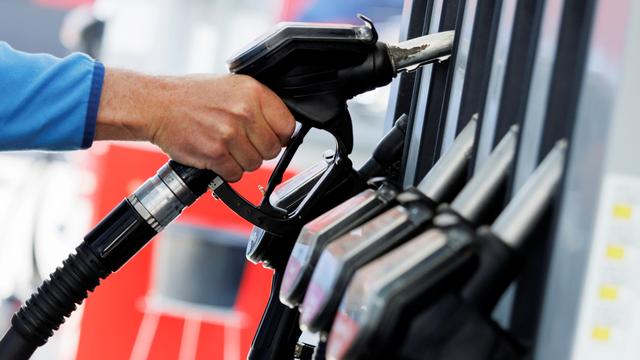
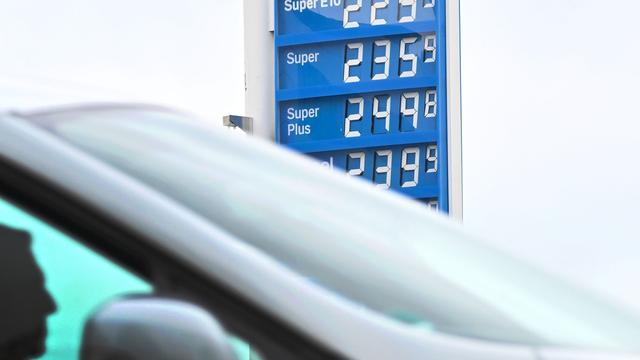
Germany’s inflation rate climbed back to 2.9% in August, bringing price growth close to the 3% mark as higher energy costs hit motorists and households.
The preliminary figure from the Federal Statistical Office matched the rate recorded in April. Consumer prices last rose faster in December 2023, when inflation reached 3.7%. Silke Tober, an inflation expert at the Hans Böckler Foundation’s Macroeconomic Policy Institute, attributed the August increase to fuel and heating oil prices that rose more sharply than in previous months.
Energy remained the main driver. Consumers paid 10.5% more for fuel and heating than a year earlier. Food prices, by contrast, increased only 0.1%, after rising 0.4% in each of the previous three months. Overall consumer prices rose 0.2% from July to August.
A temporary cut in Germany’s energy tax on petrol and diesel had provided some relief in May and June, reducing the tax by almost 17 euro cents per litre. After the discount expired, the inflation rate jumped by 0.5 percentage points to 2.8% in July.
The Bundesbank expects living costs could rise further in the coming months. The Iran conflict has kept the Strait of Hormuz, a major route for international energy trade, effectively blocked, adding pressure at German fuel stations. The ADAC motoring association has warned that 2026 could become the most expensive year for refuelling on record. Higher energy costs could also feed into transport, food cooling and other prices, while heat and drought could reduce harvests. Contract wages may nevertheless rise faster than prices, potentially leaving millions of workers with real wage growth of 0.7% this year.
The somewhat higher inflation of 2.9% in August, as in previous months, is due to fuel and heating oil prices rising more sharply.
About this summary
Originally published by Die Zeit in German. Translated, summarized, and contextualized automatically by DistantNews, with a note on how the source frames the story. Not individually reviewed before publishing. How this works.
More Stories



From Our Blog

What Gets Lost (and Found) When News Is Translated

How the Same Story Looks Different in Different Countries

The Critical Role of Diaspora Media in Global News

What Travellers Should Know About Countries with Restricted Press

A Digital Nomad's Guide to Following Local News
