

Rite before NATO summit demands clear plan for increasing defense spending
Translated from Latvian, summarized and contextualized by DistantNews.
At a glance
News
Sources not specified
Ongoing story
- NATO allies are meeting in Ankara amid increasing pressure from the US to raise defense spending.
- The alliance previously agreed on a goal for members to spend 3.5% of GDP on defense and 1.5% on infrastructure.
- Some nations have not yet met the prior 2% defense spending target, and the US has warned of consequences for those who do not increase their contributions.
NATO allies convene in Ankara for a crucial two-day summit, facing heightened demands from the United States to bolster defense expenditures. The alliance finds itself at a pivotal moment as the U.S. signals a reduced role in European security, urging member states to significantly increase their own investment in defense.
Last year, the 32 NATO nations committed to a new target: allocating 5% of their gross domestic product (GDP) to defense. This includes 3.5% for defense budgets and 1.5% for infrastructure development, such as roads, bridges, and ports, to facilitate faster troop and equipment movement during potential conflicts. Spain, while supporting the goal, maintains it can meet NATO's security requirements without such extensive spending.
If one or two countries still need to be convinced, we have ways to do that.
However, several member states have yet to reach the alliance's previous benchmark of spending 2% of GDP on defense. U.S. Ambassador to NATO, Matthew Whitaker, issued a stern warning last week, indicating that the United States has measures prepared for allies who fail to increase their defense spending, though he declined to specify these actions.
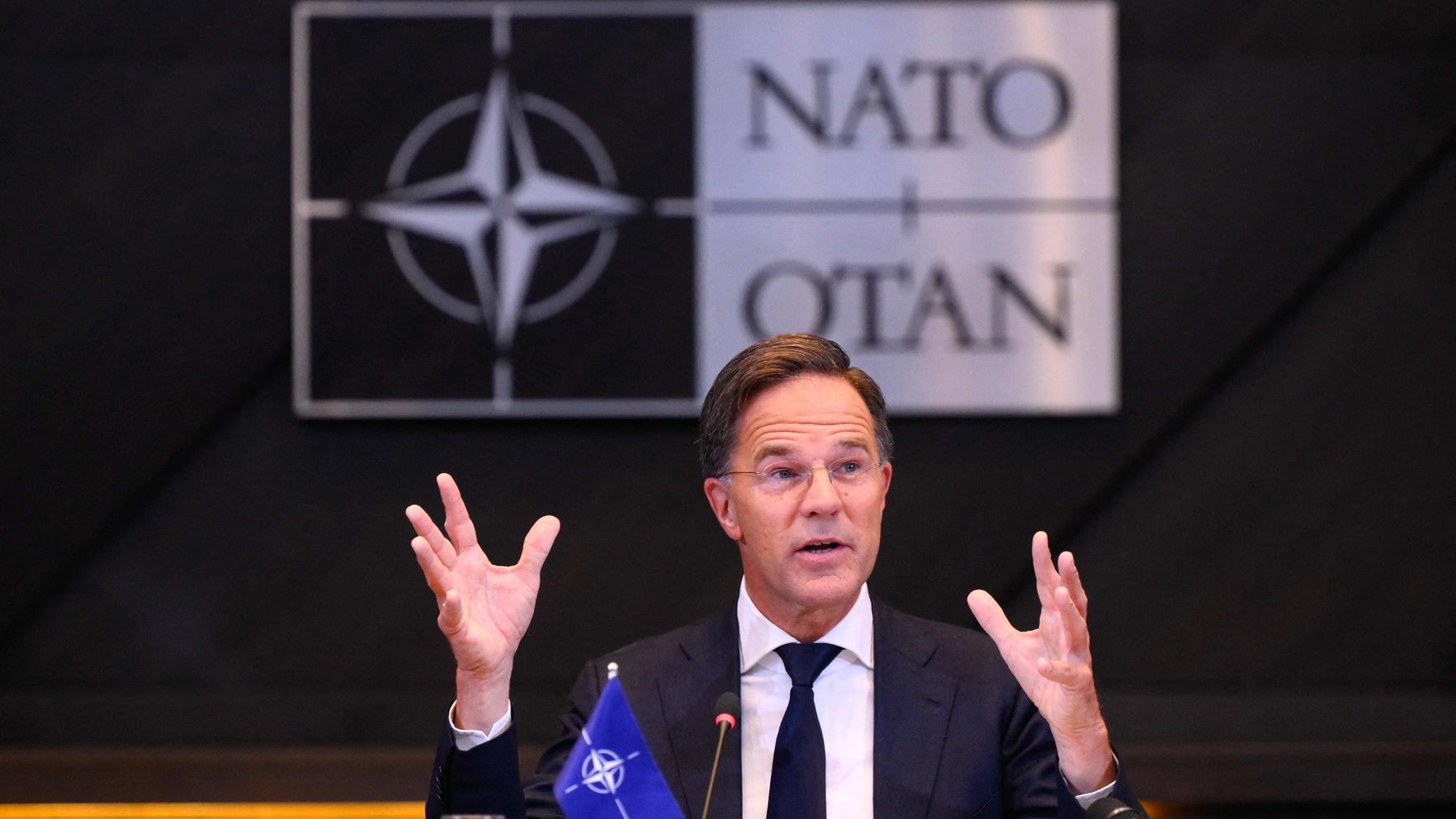
Despite these pressures, Rite, speaking on behalf of the allies, acknowledged the "impressive" spending figures from European allies and Canada. NATO estimates that in 2025 and this year, these nations will collectively invest an additional $258 billion (226 billion euros) in defense compared to previous years. This increased commitment comes as former U.S. President Donald Trump has repeatedly criticized allies for what he deems insufficient defense outlays and has previously threatened to withdraw defense guarantees from non-compliant members.
The indicators we are seeing so far are impressive.
DistantNews Editorial
Originally published by Delfi Latvia in Latvian. Translated, summarized, and contextualized by our editorial team with added local perspective. Read our editorial standards.
More Stories
From Our Blog

What Gets Lost (and Found) When News Is Translated

The Critical Role of Diaspora Media in Global News

What Travellers Should Know About Countries with Restricted Press

A Digital Nomad's Guide to Following Local News

How the Same Story Looks Different in Different Countries
