


Roads Cut Off, Cars Halted: South Korean Search Team in Nepal Says It Will Go on Foot if Necessary
Translated from Korean and summarized by DistantNews. Read the original for the full story.
At a glance
News
Named sources
Ongoing story
- A South Korean government rapid-response team began an overland search for nine South Koreans missing after major floods in Nepal.
- Damaged roads, mud, rocks, unstable weather and limited communications complicated efforts to reach the area near the Upper Trishuli-1 hydropower plant.
- Nepal allowed two helicopters linked to the South Korean search effort to operate, while nine rescued Doosan Enerbility employees returned to South Korea.
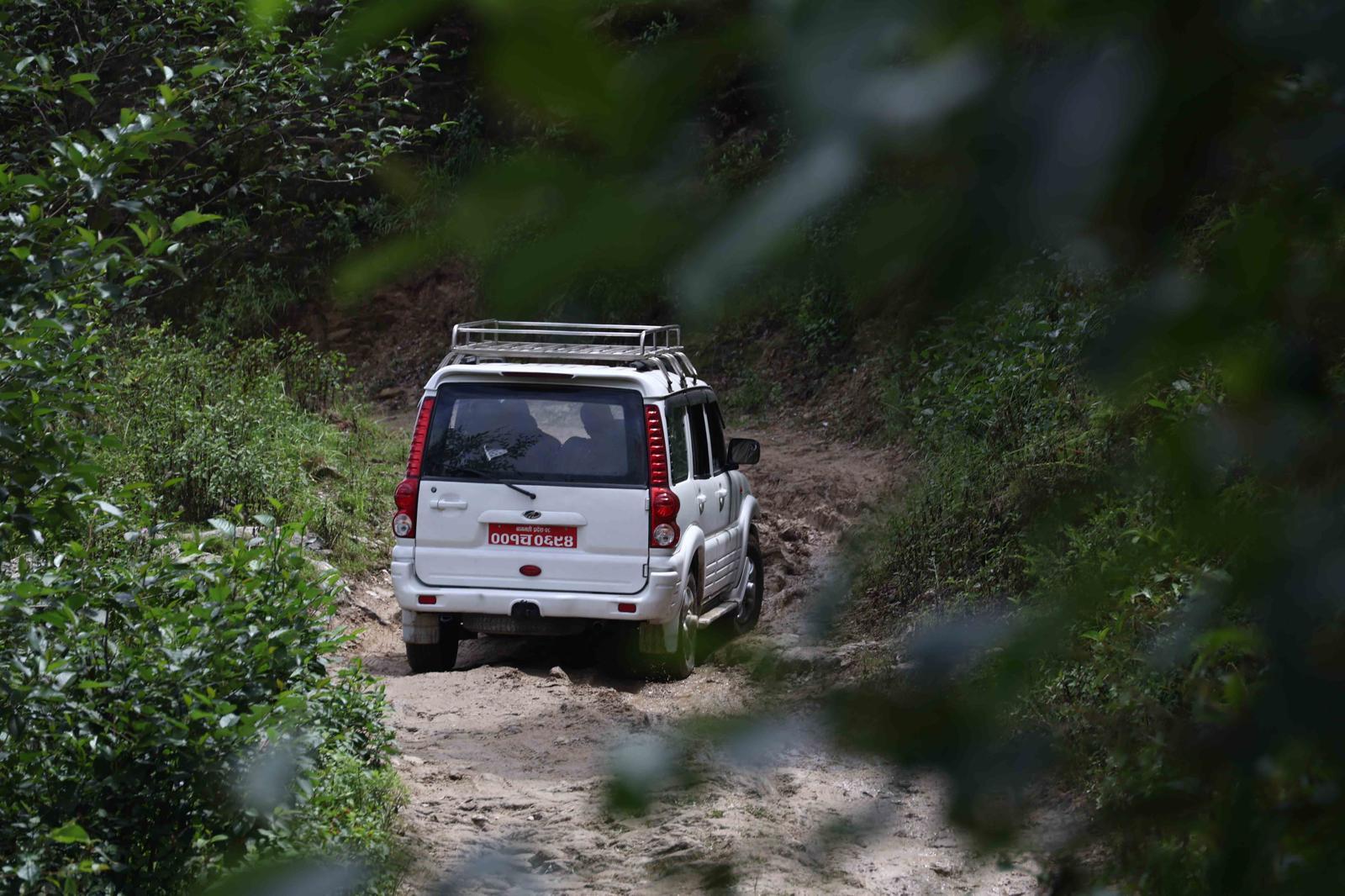
The South Korean search team sent to find nine nationals missing after Nepal’s floods had to abandon the road almost as soon as its overland mission began. Vehicles heading toward Rasuwa district stopped on a mountain slope after a damaged route gave way to a rough detour covered in rocks and mud.
The road ahead looks likely to become even rougher and more difficult.
The nine-member rapid-response team left Kathmandu for the Lamche area, where it plans to establish a base north of the village. The camp lies about 1.8 kilometers from the Upper Trishuli-1 hydropower plant construction site, where the missing South Koreans are believed to have been working. Team members intend to search on foot and use drones, relying on ground operations as helicopter flights remain subject to restrictions imposed by Nepalese authorities.
The route presented repeated obstacles. About 90 minutes after departure, the team encountered another break in the road and spent several dozen minutes discussing a way around it. The mountain site also has unreliable communications and rapidly changing weather. Cho Hyun-moon, head of the National 119 Rescue Headquarters, said the team would continue looking for a route and would walk if vehicles could not reach the target.
We have no choice but to keep going to find a route to the search site, but we ask the reporters to withdraw because we are concerned for their safety.
At a Nepalese army base in Bidur, about 20 kilometers south of the hydropower site, Nepalese military helicopters continued taking off and landing during efforts to search for missing people and recover the dead. Families gathered near lists of missing and deceased people. One relative, Pashang Purserba, said his 10-year-younger brother had lost contact and that his name was not yet on the death list. A police officer said the list included 2,474 missing Nepalese people as of the previous day.
We plan to move on foot if it is impossible to travel by vehicle to the target point.
Six days into the disaster, poor weather continued to slow rescue work. Nepal authorized two helicopter flights for the South Korean side. Foreign Minister Cho Hyun asked Nepal’s foreign minister, Shishir Khanal, for close cooperation, while South Korea’s Foreign Ministry said Nepal had requested search-and-rescue personnel and equipment. Doosan Enerbility said nine employees rescued at the site returned home that afternoon, while the site manager remained to support the search.
I was trembling as I looked at the death list, but he was not on it yet. I do not know whether I should call that fortunate.
About this summary
Originally published by Hankyoreh in Korean. Translated, summarized, and contextualized automatically by DistantNews, with a note on how the source frames the story. Not individually reviewed before publishing. How this works.
More Stories


From Our Blog

What Gets Lost (and Found) When News Is Translated

The Critical Role of Diaspora Media in Global News

What Travellers Should Know About Countries with Restricted Press

A Digital Nomad's Guide to Following Local News

How the Same Story Looks Different in Different Countries
