

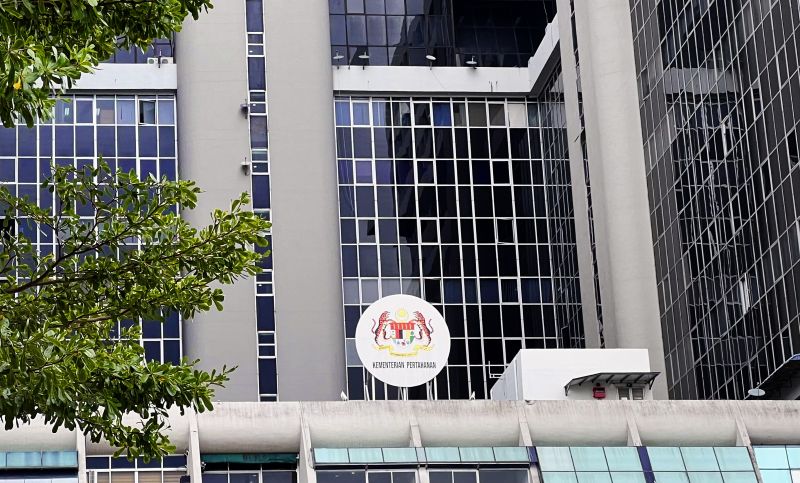

Rohingya Issue Could Shift Election Outcomes
Translated from Malay, summarized and contextualized by DistantNews.
At a glance
Analysis
Documents & data
Context piece
- The influx of Rohingya refugees and other migrants in Malaysia is shifting from a humanitarian issue to a domestic security crisis, potentially influencing upcoming elections.
- Local voters, especially those in high-density migrant areas, perceive the mishandling of refugees as a threat to public order, economic fairness, and national sovereignty.
- With resettlement to third countries halted, the Rohingya population is growing, increasing competition for public services and local living costs, while localized crime data suggests a different reality than national statistics.
Malaysia's socio-political landscape is increasingly defined by the sensitive issue of migrant influx, particularly Rohingya refugees from Myanmar. What began as a global humanitarian concern is rapidly evolving into a pressing domestic security crisis, poised to significantly impact the nation's political dynamics, especially in the post-Undi18 democratic era.
Local voters, particularly the working class and youth residing in areas with high migrant populations, are increasingly viewing the perceived mismanagement of refugee affairs as a direct threat. Concerns range from public order and economic fairness to national sovereignty. The sheer volume of migrants and the challenges in their integration are no longer abstract issues but tangible factors influencing voter sentiment, potentially leading to large-scale protest votes against the ruling party in future elections.
Official statistics from the UNHCR indicate over 215,000 registered Rohingya refugees in Malaysia, forming the majority of the refugee population. This figure does not account for the undocumented migrants operating within the informal economy. The situation is exacerbated by the complete halt in the resettlement of Rohingya refugees to third countries, a process that previously accommodated 7,000 to 8,000 individuals annually through government-to-government cooperation. This 'freeze' means refugees will remain in Malaysia for extended periods, intensifying competition for public facilities like government hospitals and contributing to the rising cost of living.
Furthermore, the existence of exclusive, informal Rohingya settlements, often referred to as 'Rohingya colonies,' in several states is causing significant psychological distress among local residents. While national crime statistics may indicate a low involvement of Rohingya individuals in overall crime, local data paints a different picture. In Selangor alone, police recorded 192 cases of violent and property crimes involving 300 Rohingya individuals between 2025 and mid-2026. This growing unease is further fueled by calls from NGOs, such as Persatuan Melayu Pulau Pinang (PEMENANG), for a Royal Commission of Inquiry to investigate the complexities of the refugee issue, leading many citizens to perceive significant weaknesses in domestic law enforcement.
DistantNews Editorial
Originally published by Utusan Malaysia in Malay. Translated, summarized, and contextualized by our editorial team with added local perspective. Read our editorial standards.
More Stories


From Our Blog

What Gets Lost (and Found) When News Is Translated

The Critical Role of Diaspora Media in Global News

What Travellers Should Know About Countries with Restricted Press

A Digital Nomad's Guide to Following Local News

How the Same Story Looks Different in Different Countries
