


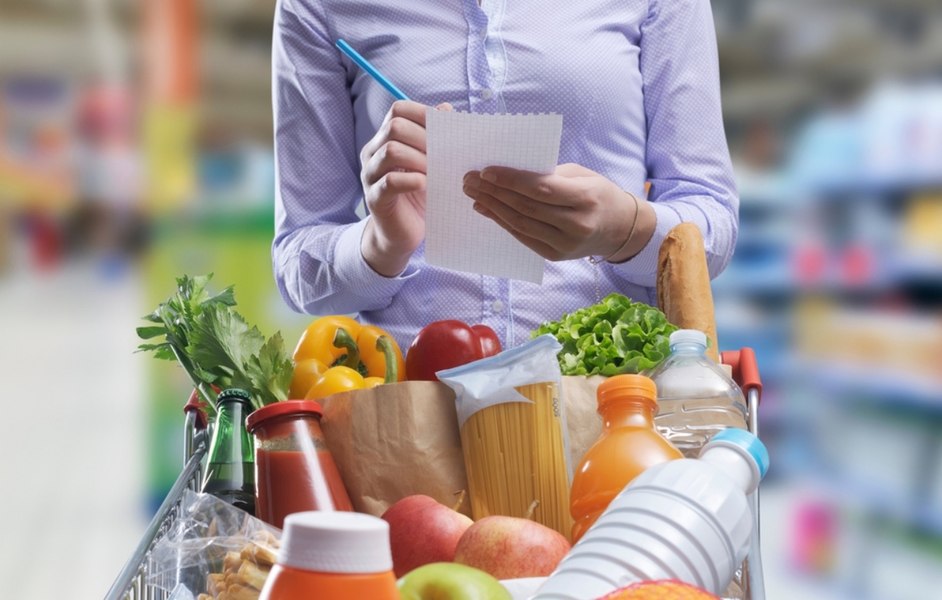
Romania: Consumers prioritize value over price, scrutinize labels
Translated from Romanian, summarized and contextualized by DistantNews.
At a glance
News
Named sources
Context piece
- Romanian consumers are increasingly prioritizing quality and value over just the lowest price when shopping, shifting away from impulse buys.
- Shoppers are comparing products more carefully, analyzing quality, reliability, and long-term costs, forcing retailers to compete on value rather than just discounts.
- A significant change is consumers reading labels more attentively, especially families with children, indicating a greater focus on product content and quality.
Romanian consumers are demonstrating a significant shift in their purchasing behavior, moving away from a sole focus on the lowest price towards a more discerning approach that prioritizes value and quality. A report by Robeco indicates that approximately three-quarters of households are altering their buying habits, no longer exclusively purchasing cheap products. This evolution sees consumers comparing products more meticulously, evaluating quality, reliability, and long-term costs, compelling retailers to differentiate themselves through the value they offer, not just price reductions.
The greatest mistake is to buy only on impulse.
Economic analyst Adrian Negrescu observes that this change is particularly evident in Romania. "The way Romanians consume products and services has changed significantly in recent years," he states. "They are much more attentive to price and their income. From the days when they would fill shopping carts in hypermarkets, from that consumption boom of the 2000s, we have returned to rational consumption where essential items matter, especially basic food products typical of the '90s, from potatoes and rice to margarine and parizer – two defining elements of poverty from that period."
The way Romanians consume products and services has changed significantly in recent years. They are much more attentive to price and their income. From the days when they would fill shopping carts in hypermarkets, from that consumption boom of the 2000s, we have returned to rational consumption where essential items matter, especially those food products typical of the '90s, from potatoes and rice to margarine and parizer, two defining elements of poverty from that period.
The report highlights that for consumers, 'value' now encompasses quality, trust, durability, and a fair exchange for what they pay. Consequently, many companies are striving to prove their products' worth beyond simply being cheaper than competitors. "I believe that, first and foremost, Romanians have rediscovered product labels and are much more attentive to what is written on those labels," Negrescu explains. "They are much more informed than they were ten years ago and are much more attentive to the content of the food products they consume. This is especially noticeable in families with children, where attention is much greater than in the past. In other words, behavioral changes related to consumption also involve product quality."
I believe that, first and foremost, Romanians have rediscovered product labels and are much more attentive to what is written on those labels. They are much more informed than they were ten years ago and are much more attentive to the content of the food products they consume. This is especially noticeable in families with children, where attention is much greater than in the past.
This trend extends to purchasing quantities, with consumers buying less and opting for smaller, measured amounts. Negrescu notes, "We buy less, we buy by 100 grams, and we are much more attentive to what we eat, considering the health risks posed by over-processed foods and, mainly, fast-food products." This international tendency is confirmed by the Recession Tracker Analysis 2026, which shows that Romanians are not completely abandoning consumption but are choosing their expenses more carefully, favoring store brands and second-hand or refurbished items as smart choices rather than compromises.
We buy less, we buy by 100 grams, and we are much more attentive to what we eat, considering the health risks posed by over-processed foods and, mainly, fast-food products.
DistantNews Editorial
Originally published by Adevărul in Romanian. Translated, summarized, and contextualized by our editorial team with added local perspective. Read our editorial standards.
More Stories



From Our Blog

What Gets Lost (and Found) When News Is Translated

The Critical Role of Diaspora Media in Global News

What Travellers Should Know About Countries with Restricted Press

A Digital Nomad's Guide to Following Local News

How the Same Story Looks Different in Different Countries
