


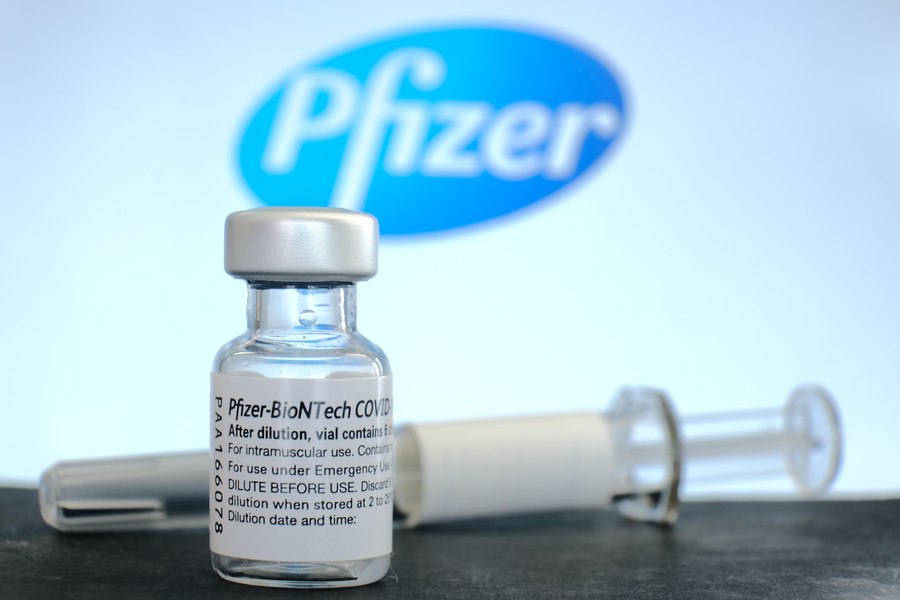
Romania Must Pay Over 680 Million Euros to Pfizer After Losing Vaccine Lawsuit
Translated from Romanian, summarized and contextualized by DistantNews.
At a glance
News
Named sources
In the courts
- Romania must pay over 680 million euros to Pfizer after losing a lawsuit over COVID-19 vaccines.
- The Finance Minister stated Romania is seeking a solution better than immediate full payment.
- The case stems from Romania and Poland not fully honoring vaccine purchase contracts during the pandemic.
Romania faces a significant financial obligation, needing to pay over 680 million euros (more than 3.4 billion lei) to Pfizer after losing an initial court case concerning COVID-19 vaccine purchases. The official notification requires payment within two months.
The Pfizer case is one of the most difficult financial cases that Romania must manage at this moment. Romania lost the lawsuit, and the amount to be paid is approximately 680 million euros, meaning over 3.4 billion lei.
Finance Minister Alexandru Nazare acknowledged the difficulty of the situation, describing it as one of Romania's most challenging financial cases. He noted that the sum represents nearly 0.2% of the country's GDP, posing a serious budget pressure, especially in a year focused on deficit reduction. Additionally, daily interest accrues at approximately 81,000 euros, amounting to nearly 2.5 million euros per month.
In budgetary terms, we are talking about almost 0.2% of GDP - a serious pressure in a year with major efforts to reduce the deficit. In addition, after losing the lawsuit, interest is running daily: approximately 81,000 euros per day, meaning almost 2.5 million euros per month.
Nazare assured the public that Romania is actively seeking a resolution that avoids immediate, full payment. The government is in dialogue with Pfizer and collaborating with the Ministry of Health and European partners, including Poland and the European Commission. The objective is to mitigate the budget impact, potentially through a payment plan that eases fiscal pressure or by receiving medical supplies needed by the health system in lieu of vaccines that are no longer required.
We are looking for a better solution than immediate full payment.
He cautioned that negotiations are difficult following an unfavorable verdict and that the outcome is not solely dependent on Romania. Nazare also reflected on the situation, stating that the case highlights the high cost of commitments made without a proper assessment of real needs. He recalled issuing warnings in 2021 about the potential costs of purchasing excess vaccine doses and emphasized the ongoing efforts to defend Romania's position in the appeal process, limit losses, and protect the national budget.
The objective is to reduce the consequences on the budget as much as possible. We are looking for a better solution than immediate full payment: either through a formula that limits budgetary pressure, or through medical products that the health system needs, instead of vaccines that Romania no longer needs.
DistantNews Editorial
Originally published by Adevărul in Romanian. Translated, summarized, and contextualized by our editorial team with added local perspective. Read our editorial standards.
More Stories


From Our Blog

What Gets Lost (and Found) When News Is Translated

The Critical Role of Diaspora Media in Global News

What Travellers Should Know About Countries with Restricted Press

A Digital Nomad's Guide to Following Local News

How the Same Story Looks Different in Different Countries
