

Romania's Half-Billion Euro Energy Project Fails, Storage Capacity Remains 'On Paper'
Translated from Romanian, summarized and contextualized by DistantNews.
At a glance
News
Sources not specified
Context piece
- Romania has spent approximately half a billion euros on energy infrastructure, including pumped storage plants on the Lower Olt river.
- Despite these investments, the national system has almost zero functional pumped storage capacity, failing to reduce energy prices.
- An energy expert criticizes the project's failure, calling for accountability and a complete overhaul of the energy architecture.
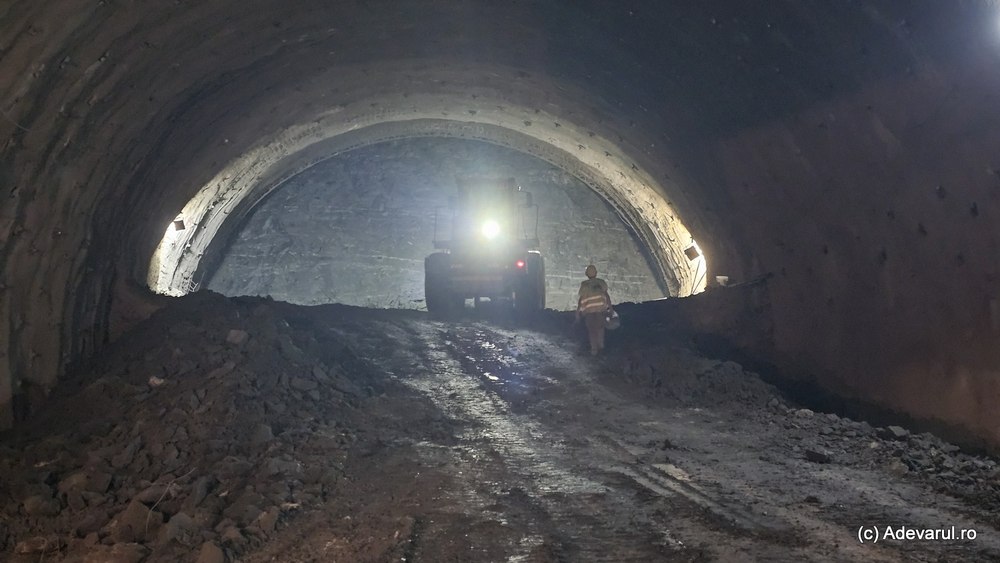
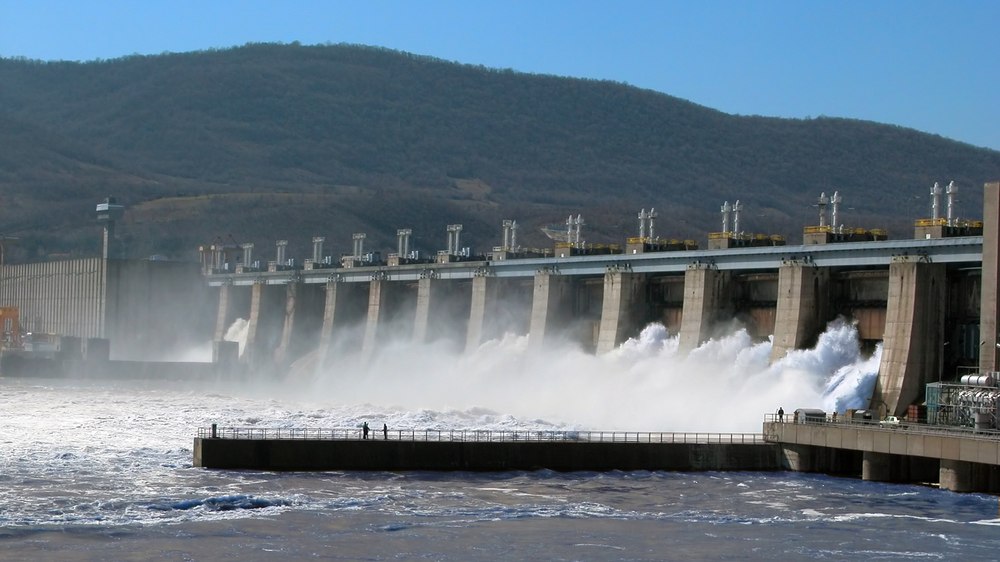
Romania has invested roughly half a billion euros in energy infrastructure, including significant upgrades to five pumped storage power plants on the Lower Olt river. However, the national energy system currently possesses almost no functional pumped storage capacity, rendering the substantial investment ineffective in lowering electricity costs for consumers.
The storage capacity would have likely been around 300 MW, with an operating duration between 5 and 10 hours, meaning between 1,500 and a maximum of 3,000 MWh. This value is quite low, considering Romania needs a minimum capacity of 10,000 MWh and a maximum of 30,000 MWh. Regarding the price, it could have been lower, although it is difficult to estimate exactly by how much, but even a 10% reduction in such conditions would represent a significant benefit.
The project's costs ballooned dramatically, with the initial contract for the Lower Olt plants valued at 123 million euros escalating to approximately 400 million euros by the time of their inauguration. Energy expert Cosmin Păcuraru points out that twelve years after their supposed completion, these facilities offer virtually no storage capacity. He estimates that a functional project could have provided around 300 MW of storage, potentially reducing energy prices by about 10%, a significant benefit given Romania's need for substantial storage capacity.
Păcuraru strongly criticizes the outcome, stating the infrastructure exists only "on paper." He argues that without penalizing those responsible and fundamentally rethinking the energy sector's structure, citizens will continue to bear the cost of these failed projects. He advocates for holding negligent decision-makers criminally liable, bringing competent specialists into the Ministry of Energy, and conducting thorough reevaluations of degraded installations.
The Romanian state must put those responsible for failing to meet assumed objectives in prison. Furthermore, the Ministry of Energy needs to hire competent specialists. Regarding the project, a thorough evaluation of the installations is necessary, as twelve years have passed, and they might be degraded.
The expert further suggests that systemic change is necessary, involving new leadership in key energy positions, revised public procurement laws, and improved corporate management. He stresses the importance of tangible sanctions for individuals failing to fulfill their responsibilities, from board members to ministers, to ensure accountability and prevent future failures.
To improve this, it is necessary to change both the people in key positions and the legislation regarding public procurement and corporate management. Additionally, if we see that individuals who do not fulfill their responsibilities – whether they are board members, directors, or ministers – are effectively sanctioned.
DistantNews Editorial
Originally published by Adevărul in Romanian. Translated, summarized, and contextualized by our editorial team with added local perspective. Read our editorial standards.
More Stories
From Our Blog

What Gets Lost (and Found) When News Is Translated

The Critical Role of Diaspora Media in Global News

What Travellers Should Know About Countries with Restricted Press

A Digital Nomad's Guide to Following Local News

How the Same Story Looks Different in Different Countries
