

What happens to the Cernavodă nuclear plant if the Danube's level drops? Why it needs water and how it works
Translated from Romanian, summarized and contextualized by DistantNews.
At a glance
Explainer
Sources not specified
Context piece
- The Cernavodă nuclear power plant relies on the Danube River for cooling its facilities.
- Low water levels in the Danube could force controlled shutdowns of the plant's reactors to ensure safety.
- Continuous cooling is necessary even after a reactor is shut down.
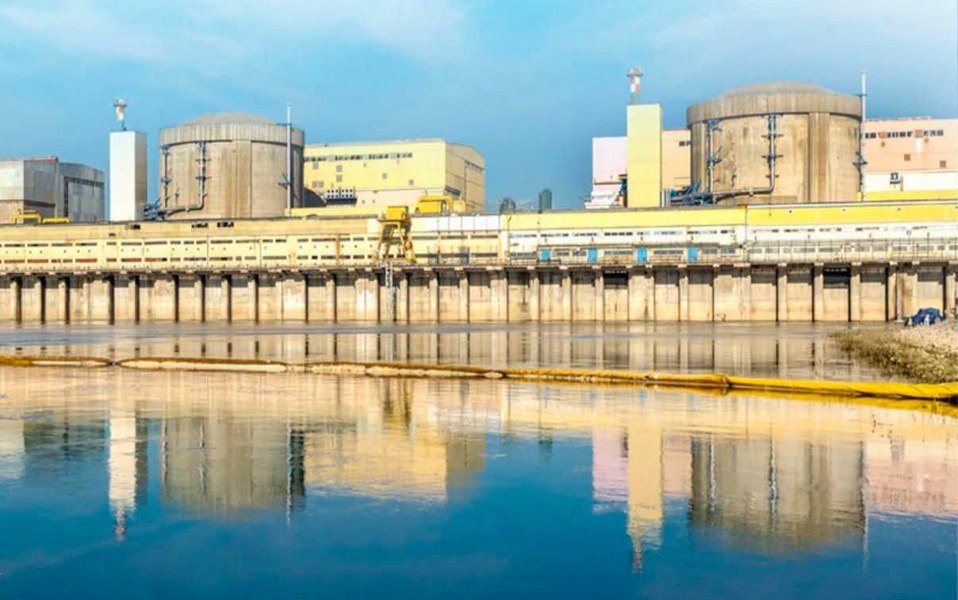
The Cernavodă nuclear power plant in Romania is critically dependent on the Danube River for its operational cooling systems. The plant utilizes the river's water to manage the heat generated during nuclear processes, a vital step for maintaining safety and functionality.
Periods of significantly low water levels in the Danube pose a direct threat to the plant's continuous operation. Even if a reactor is taken offline, the crucial process of cooling must persist to prevent overheating and ensure the integrity of the facility. This reliance makes the plant vulnerable to environmental changes affecting the river.
In scenarios of critically low river levels, the plant's operators may need to implement controlled shutdowns of its units. This measure is a precautionary step designed to maintain the safety of the nuclear installations. The situation underscores the interconnectedness of energy infrastructure and natural water resources, particularly in the context of climate change and its impact on river flows.
DistantNews Editorial
Originally published by Adevărul in Romanian. Translated, summarized, and contextualized by our editorial team with added local perspective. Read our editorial standards.
More Stories



From Our Blog

What Gets Lost (and Found) When News Is Translated

The Critical Role of Diaspora Media in Global News

What Travellers Should Know About Countries with Restricted Press

A Digital Nomad's Guide to Following Local News

How the Same Story Looks Different in Different Countries
