

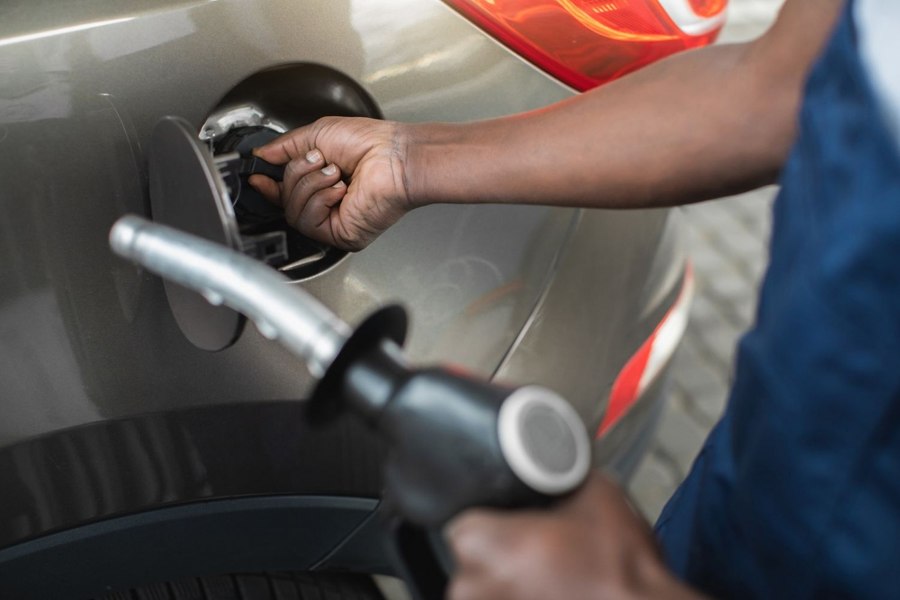

Romania's inflation forecast revised upward amid rising energy and fuel costs
Translated from Romanian, summarized and contextualized by DistantNews.
At a glance
News
Sources not specified
Context piece
- Romania's central bank (BNR) raised its inflation forecast for 2026 to 6.1% and for 2027 to 3.4%.
- Analysts attribute the upward revision to rising fuel prices and potential energy cost increases, exacerbated by drought and heatwaves.
- Experts advise against state intervention in pricing, advocating for market regulation to stabilize the economy.
Romania's inflation rate is projected to be higher than previously anticipated, according to the National Bank of Romania (BNR).
The BNR has revised its inflation forecast upwards for the coming years. For the end of 2026, the forecast is now 6.1%, an increase from the earlier projection of 5.5%. The estimate for 2027 has also been adjusted to 3.4%, up from 2.9%. These revisions are influenced by the impact of drought and heatwaves on energy production and ongoing pressures within the energy sector.
O inflație de aproape 7% este probabil să devină realitate, în condițiile în care motorina și benzina continuă să se scumpească, iar prețurile energiei electrice ar putea înregistra creșteri de peste 15-20%, așa cum arată cele mai pesimiste estimări.
Analysts consulted by "Adevărul" explain that the rising prices of fuels and potential increases in energy costs are exerting significant pressure on the economy. Analyst Adrian Negrescu described inflation as a "cancer" that is difficult to eradicate once established in the economy. He believes that current BNR forecasts reflect these pressures, potentially challenging the optimistic targets set by Governor Mugur Isărescu.
Să lăsăm economia să se regleze. Orice intervenție a statului în zona prețurilor ar putea fi un seppuku pentru economia românească și ar genera multiple efecte negative.
Negrescu estimates that inflation could approach 7% if fuel prices continue to climb and electricity costs increase by over 15-20%, according to the most pessimistic scenarios. He warns that maintaining inflation at such levels would further strain the Romanian economy, which is already weakened by record-high inflation across Europe. Regarding potential solutions, Negrescu advocates for allowing market mechanisms to regulate prices, cautioning against state intervention, which he believes could have multiple negative consequences.
He pointed to recent data from the National Institute of Statistics (INS) showing a decrease in food prices in July compared to June. Negrescu suggests this trend indicates that reduced purchasing power has prompted retailers to find ways to sell products. He believes the economy should be allowed to find its own equilibrium in terms of prices and demand, similar to what has occurred in the food industry.
În luna iulie, față de luna iunie, prețurile produselor alimentare au scăzut, ceea ce demonstrează că puterea scăzută de cumpărare a românilor i-a determinat pe retaileri să găsească soluții pentru a vinde într-o perioadă extrem de tulbure pentru economia românească.
DistantNews Editorial
Originally published by Adevărul in Romanian. Translated, summarized, and contextualized by our editorial team with added local perspective. Read our editorial standards.
More Stories

From Our Blog

What Gets Lost (and Found) When News Is Translated

The Critical Role of Diaspora Media in Global News

What Travellers Should Know About Countries with Restricted Press

A Digital Nomad's Guide to Following Local News

How the Same Story Looks Different in Different Countries
